

Source : the age
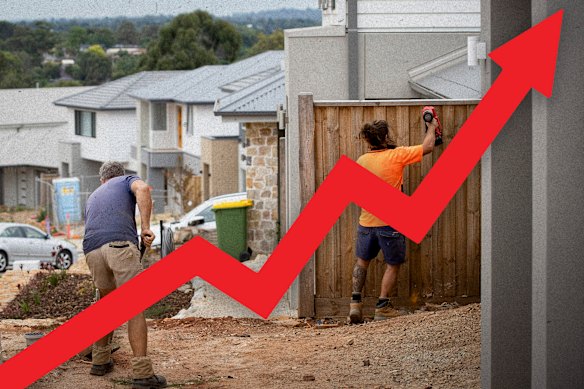
Western Australia could benefit from an $8 billion boom in private rental construction, with a Perth property expert predicting changes to negative gearing will act as a “tipping point” for a new wave of home building.
However, Limnios Property Group managing director James Limnios fears red tape could stifle development where he says it’s needed most.
He pointed to Australian of Bureau of Statistics data that showed the total value of property investment in WA doubling over the past two years due to the city’s chronic rental shortage.
“Over the past year, total property investment in the state has exceeded $16 billion,” Limnios said.
“However, much of that investment has gone into established properties rather than new rental housing.
“In the March 2026 quarter, 79 per cent of investor spending in WA – about eight in every ten dollars – went to established properties, with the remainder going to newly built or under-construction homes.”
However, in handing down the federal budget earlier in May, Treasurer Jim Chalmers revealed plans to limit negative gearing and the capital gains discount to new builds.
“Anyone who wanted to invest in a negatively geared property can still invest in a new house,” the treasurer said at the time.
Limnios, a former City of Perth councillor whose business covers the inner-city real estate market, said investors already benefited from maximum depreciation allowances and other government incentives when buying new homes.
The negative gearing changes could become a “tipping point for a new wave of investor-focused construction”, he said. And he predicted near-city areas were primed for increased focus.
“The reality is that Western Australia still faces a chronic shortage of rental properties, with vacancy rates remaining at historic lows, especially in Perth,” he said.
“This is particularly true in Perth’s inner and near-city suburbs, where new medium and high-density housing supply has lagged in recent years.
“Demand for rental accommodation within a five-kilometre radius of the Perth CBD remains very high, but supply is extremely limited.
“However, residential prices have now reached levels that make new residential projects in this inner-city area financially viable, while these negative gearing changes could help more developments proceed by boosting investor pre-sales.”
However, Limnios said the opportunity could be “squandered” without initiatives such as the government underwriting projects and guaranteeing the 20 per cent mortgage deposit required to buy homes in those developments.
He also urged a reduction in GST and stamp duty for infill developers, and called for building approvals in the inner city to be reduced to 90 days while also preventing planning authorities from “stopping the clock”.
There should also be a review of public art contribution levies and design review panel meetings, which added to costs and drew out approval timelines, Limnios said.
“Currently the planning system is geared to only supporting the bigger developers; that means thousands of homes in the inner and near-city areas that could be provided by smaller developers are never built,” he said.
Meanwhile, another real estate heavyweight predicts a “property pivot” as investors look to different ventures in the wake of the negative gearing and capital gains tax changes.
Ray White Commercial chief executive James Linacre believed the changes announced earlier this month would not necessarily push investors away from property, “but away from passive residential investment as Australians have traditionally understood it”.
“In many ways, this could be less about the removal of tax incentives and more about a changing philosophy around investment itself,” he said.
“The reality is, most leveraged commercial property investments are not negatively geared in the same way residential assets often are.
“Commercial property has historically provided materially stronger rental yields, longer lease tenure, annual rent reviews and, in many cases, stronger income resilience.”
Linacre said it did not mean there would be an exodus from residential property, which he described as being a “foundational asset class in Australia”, but the rationale for holding multiple passive residential investments “may become increasingly challenged” if tax efficiency had been at the fore rather than income performance.
However, he also noted Chalmers’ changes alone would not solve the nation’s housing crisis.
“Australia’s affordability issue is not simply the result of investor participation,” he said.
“The core issue remains one of supply.
“We are not building enough housing in the locations where people need and want to live.”