

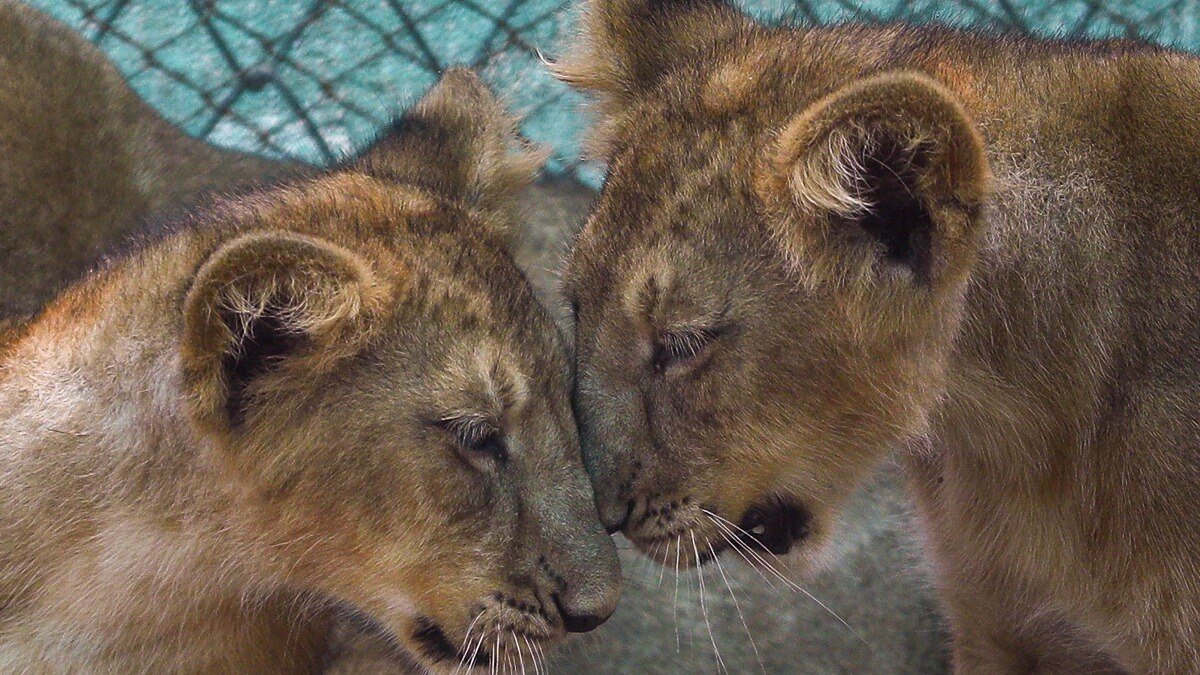
Source : INDIA TODAY NEWS
The recent deaths of eight Asiatic lion cubs in Gujarat were not caused by ‘Babesia’ infection or any virus, but due to heat, state Forest Minister Arjun Modhwadia said Saturday.
He also said that 12 of the 17 lions that had fallen ill and were quarantined as a precautionary measure have been released into the wild after recovering.
“Eight lion cubs died due to heat and the weakness that heat causes. Those with low immunity died. The Babesia parasite did not cause it,” Modhwadia said.
advertisement
The deaths of the lion cubs in the Gir sanctuary landscape within a short span had become a cause for concern, and the Babesia parasite was initially suspected to be responsible, he said in a separate video statement.
“Meanwhile, the surrounding area was made pathogen-free by deticking and deworming treatment of approximately 600 lions in the vicinity. Of the 17 lions, which were quite ill and unable to walk, 12 have already been released into the wild,” he said.
The remaining five lions are now healthy and will soon be released into their natural habitat, he said.
Modhwadia further said that there have been no recent lion deaths due to any disease, though one lioness succumbed to pregnancy-related complications.
“Similarly, no alarming viruses were detected in the lions that had died previously,” he said.
Earlier on May 29, the minister had said that eight lion cubs had died due to suspected ‘Babesia’ infection in Gir Somnath and Amreli districts.
To prevent potential spread, authorities had isolated lions living within a 10-km radius of the areas where the infection had been reported and taken other preventive measures.
The samples of the dead cubs were tested at the Gandhinagar-based Gujarat Biotechnology Research Centre.
Babesia spreads through ticks and the highly contagious canine distemper virus (CDV) that compromises the immunity of an infected animal. In 2018, a total of 11 lions had died within a month due to a combination of CDV and protozoan infection.
The Asiatic lion, once found across large parts of Asia, now survives only in Gujarat, where the entire wild population is concentrated in and around the Gir forest landscape, making the state its last natural habitat.
– Ends
SOURCE :- TIMES OF INDIA