

SOURCE :- THE AGE NEWS
London: Britain is about to mark a dismal anniversary after a decade of false hopes and lost chances since the country voted, by 52 to 48 per cent, to leave the European Union.
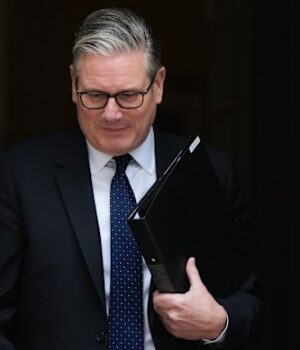
And it seems almost certain to mark the date with the toppling of its sixth prime minister in a decade, as Keir Starmer prepares to quit.
There is no way to sweeten the odour of life after Brexit in a country that is deeply divided and difficult to govern, which means Starmer’s fall is just the latest crisis in years of upheaval.
It seems highly optimistic to think that a new prime minister, Andy Burnham, will suddenly end the cycle.
Starmer came to power with high hopes that he could fix a broken Britain. He made some progress, such as bringing net migration down, but he could not move fast enough for an impatient public.
Burnham now seems destined for the prime minister’s office – but it seems highly optimistic to think that a new prime minister will suddenly end the cycle.
He presents himself as a change agent – and he won the electorate of Makerfield last Thursday because voters wanted him to remove Starmer. Once he is the incumbent, however, the power of this protest vote will evaporate. He will be in charge, and will be marked down for every mistake.
Starmer swept into power in July 2024 by achieving a rare feat: he made Labour electable within a single term after a humiliating defeat at the previous election. But he lacked conviction and cunning, which led to a sense of drift because he struggled to marshal his forces to enact his agenda.
Worse, he succeeded so well at the ballot box that he had more than 400 Labour MPs in parliament, many of them carping anonymously to the media and rebelling against his policies, such as welfare reform.
When he made mistakes, as he did by appointing Peter Mandelson as ambassador to the United States despite knowing of his friendship with the late sex offender Jeffrey Epstein, the unrest within his own ranks grew even greater.
He is said to be considering his future and may announce his resignation on Monday (London time), in the very week that the Brexit vote is echoing through British politics.
Britain voted to leave the European Union in a referendum on June 23, 2016. The prime minister at the time, David Cameron, had promised to let the public decide the question. When he saw the answer, he resigned on June 24.
Cameron was followed by Theresa May, Boris Johnson, Liz Truss and Rishi Sunak over the next eight years of Conservative Party rule. Labour sneered at its opponents for this leadership chaos and promised stability under Starmer. Now it repeats the turmoil.
This makes the toppling of Starmer, and the sudden rise of Burnham, the latest evidence of government failure under the pressure of politics after Brexit.
A leadership spill is an admission of failure – just as Australians saw when Labor and Liberal MPs tore down prime ministers from 2010 onwards. The rise of a new leader sometimes worsens a civil war. It is never enough on its own to bring stability, because stability depends on the discipline of the MPs in the party room, not just the individual in the prime minister’s suite.
Australia broke out of this when Anthony Albanese took Labor into power in 2022 and began governing with a mix of caution and cunning. Britain remains stuck in the cycle.
This is not what was meant to happen to the UK when one of the chief advocates for change, Boris Johnson, urged a vote to leave the European Union.
“We find that a door has magically opened in our lives,” he said in a speech a few weeks out from the vote.
“We can see the sunlit meadows beyond. I believe we would be mad not to take this once-in-a-lifetime chance to walk through that door.”
Johnson, who rose from London mayor to prime minister before and after Brexit, held out the promise of greater independence, better growth, lighter regulation and tougher border controls to turn away migrants.
The dividends look meagre. Voters are angry and impatient with their leaders. Starmer is merely the latest to feel this pressure.
The UK has grown, but there has been no burst of heightened activity from leaving the union. The UK economy expanded by 12.4 per cent over the last decade, compared to 13.6 per cent for the Eurozone, according to Centre for Policy Studies research fellow Gerard Lyons, citing data from Capital Economics.
The worst fears about Brexit did not come to pass. The Chancellor of the Exchequer at the time of the vote, George Osborne, warned of a profound shock from leaving the EU. “That shock would push our economy into a recession,” he said. In fact, the growth continued. The economic shock came later, from Covid.
Some problems, meanwhile, are greater today. This is not unique to the UK: problems abound across Europe. Only the UK, however, had a referendum with so many promises about a better future. It seems natural for voters to feel cheated.
The British economy is weak. More than 1 million young people are not in education, employment or training. The government’s public sector debt is about £2.8 trillion ($5.28 trillion) but spending continues to rise. Starmer tried to reform welfare, only to be blocked by his own backbenchers.
In all the false promises of the Brexit debate, none was greater than the idea that it would fix migration. This was central to the argument from Nigel Farage, who made his name in the “leave” campaign and now leads Reform UK. It was also a common message from Johnson.
“It is only if we vote to leave on June 23 that we can take back control of our immigration,” Johnson told television network ITV a month before the referendum.
He complained that net migration to Britain rose to 333,000 in 2015.
The promise to voters, therefore, was that the number would fall. And so it did, during the pandemic. Soon after the border shutdowns, however, the intake surge. Under the Conservatives, net migration peaked at 944,000 in the year to March 2023. This included thousands of asylum seekers crossing the English Channel by boat.
This was the great betrayal of Brexit. It explains the success of Farage and the pressure on Labour. The Reform UK leader blames the “Boris wave” for high migration and says only he can be trusted to bring it down. It is a key factor in his rise in the polls.
A dispute continues about whether Britain was right to leave. Some insist Brexit was the right decision but the aftermath was badly managed. Others claim it was a bad choice from the start. But there can be little doubt that it has failed to deliver the happy vista the British public were promised.
Starmer came to power with high hopes that he could fix a broken Britain. He made some progress, such as bringing net migration down, but he could not move fast enough for an impatient public.
Burnham now seems destined for the prime minister’s office. He presents himself as a change agent – and he won the electorate of Makerfield last Thursday because voters wanted him to remove Starmer. Once he is the incumbent, however, the power of this protest vote will evaporate. He will be in charge, and will be marked down for every mistake.
Ten years after the referendum, Britain is still searching for someone who can deliver on the grand promise of a better future. Can a seventh prime minister finally break the cycle? Labour is about to roll the dice.
Get a note directly from our foreign correspondents on what’s making headlines around the world. Sign up for our weekly What in the World newsletter.
 David Crowe is Europe correspondent for The Sydney Morning Herald and The Age.Connect via X or email.