
Source : the age
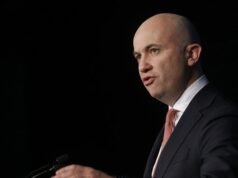
Liberal leader Angus Taylor has been accused of delivering a “kick in the guts” to rural firefighters after claiming authorities deliberately allowed the devastating 2003 Snowy Mountains bushfires to burn because they were in a wilderness area.
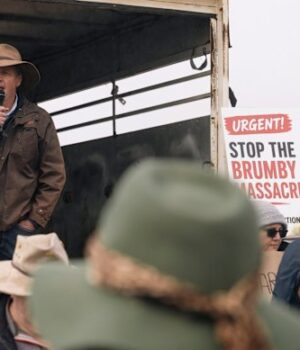
Speaking from the back of a truck at a protest against plans to cull wild brumbies near Kiandra earlier this month, Taylor criticised government bureaucrats and national parks managers, arguing local communities had lost control over land management.
The comments have infuriated firefighters who fought for weeks to contain the devastating blaze two decades ago, with one senior figure now demanding Taylor offer an apology.
Recalling the 2003 fires, Taylor said authorities had refused to extinguish blazes that started in Kosciuszko National Park because they “believe in wilderness”. No transcript of his comments has been issued by his office.
“They said we’re not going to put them out because we believe in wilderness,” Taylor told the crowd, according to a video posted on social media. “We’re going to let it go, and we saw the most devastating fire we’ve ever seen come through this country.”
The 2003 alpine bushfires were among Australia’s worst natural disasters, burning about 1.73 million hectares across NSW, Victoria and the ACT after more than 140 fires were ignited by dry lightning during a prolonged drought under repeated bouts of soaring temperatures, strong winds and low humidity. The fires culminated in the Canberra bushfires on January 18, when four people died, and more than 500 homes were destroyed.
A NSW coronial inquest later found there was no evidence to suggest the professional and volunteer firefighters had not done their best to preserve life and property. An inquiry into the ACT fires, by Commonwealth Ombudsman Ron McLeod, found the fire could have been contained if attacked more aggressively.
Former NSW National Parks and Wildlife Service incident controller David Darlington, responsible for overseeing the fight against the 2003 fires, said he was “surprised” that Taylor would make statements which were obviously designed to discredit the organisation.
“In doing so he has taken away from a massive fire suppression effort by over 1000 firefighters most of whom were volunteers doing their best,” Darlington, who lives in Jindabyne, told this masthead.
Darlington wrote to Taylor on June 21, demanding he correct the record because the comments falsely implied firefighters deliberately stood by while the fires spread. Darlington said he had not heard back.
In the letter, seen by this masthead, Darlington said Taylor’s account was “not correct” and ignored the realities confronting emergency crews during one of the state’s worst bushfire campaigns.
“I care about the people I worked with on these fires,” he wrote. “Those that heard or read the transcript of your words are furious that you have implied they just let these fires burn. It is a real kick in the guts to these firefighters.”
Darlington said more than 1000 personnel from the state’s four firefighting agencies and supporting organisations were deployed in an effort to contain the blazes and protect lives and property.
Taylor said the fires destroyed 19 historic high-country huts because the national park “simply didn’t understand the history and heritage of these great mountains”, before linking the issue to the ongoing debate over the future of the park’s wild horse population.
“I want to see the locals back in control,” he said, adding that authorities had imported “ideology from the West Coast of the United States”.
Darlington said more than 40 fires were ignited by dry lightning across the Australian Alps in early January 2003 and suppression efforts began immediately.
“At no stage was a decision made to let these fires burn because many were in wilderness areas,” he wrote. “Rather the practical reality around fire behaviour, identified risks and both air and ground resources meant that some fires would ultimately merge.”
Darlington, who now serves as a volunteer after retiring from professional firefighting, said firefighters “do not forget when incorrect statements are made about their efforts” and said suggested Taylor owed those involved an apology.
Taylor’s office was contacted for comment.
Cut through the noise of federal politics with news, views and expert analysis. Subscribers can sign up to our weekly Inside Politics newsletter.
 Rob Harris is the national correspondent for The Sydney Morning Herald and The Age based in Canberra. He is a former Europe correspondent.Connect via email.