

Source : Perth Now news
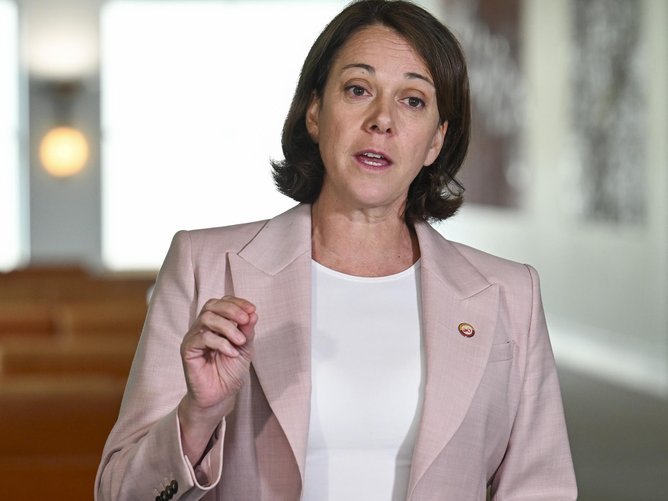
Two prominent Teal MPs have unveiled a fresh push to force plastic producers to pay for the pollution they create, warning Australia is facing a snowballing health and environmental crisis.
Sophie Scamps and Kate Chaney have released a joint policy paper urging reform to “failing” Australia’s packaging system, which relies on an existing co-regulatory framework.
This comprises voluntary participation from businesses in the Australian Packaging Covenant scheme, while states and territories take on the responsibility for implementing their own rules to enforce the National Environmental Protection Measure.
Last year, industry group the Australian Packaging Covenant Organisation – which administers the voluntary scheme – conceded it had fallen short of it target to recycle 70 per cent of plastic packaging by 2025.
However, Dr Scamps and Ms Chaney’s reforms aim to shift the burden off consumers to manage their waste, for example through recycling, and instead shift the onus onto manufacturers.
They propose establishing a “nationally harmonised” Extended Producer Responsibility (EPR) scheme, phasing out harmful industrial chemicals in plastics, and boosting funding for research and innovation in the sector.

The EPR scheme would be formed under the existing Waste Reduction Act and stipulate binding targets for waste reduction, reuse and recycled content, and a national producer-funded soft plastics scheme.
It would replace the voluntary co-regulated model and be enforced by either an existing or new national regulator.
Both Dr Scamps and Ms Chaney have urged the government to implement the changes to packaging regulation by the end of the year.
Dr Scamps, who previously worked as a clinician in general practice and emergency departments, said she was “increasingly worried about the impact of plastics on the health of Australians”.
“Particularly with the growing evidence linking microplastics to the rapid rise of cancers among young people,” she said.
“A precautionary approach means acting on the evidence we already have, not waiting until it’s too late.”

“The health of all Australians is at risk as micro and nanoplastics pollute the air we breathe, the water we drink, the food we eat, and are now found throughout our bodies and organs.”She warned relying on voluntary action from corporations had “failed monumentally”.
Ms Chaney insisted the government did not need new powers to enact the changes.
“For too long, households have been left to pay for a mess they didn’t make – $70 to $95 a year in rates and levies just to manage packaging waste,” she said.
“A polluter-pays scheme would cost the average household 25 cents a week and finally put the responsibility where it belongs.”
A Bill introduced by the Greens to establish an EPR scheme for packaging was introduced to the Senate in May and is being scrutinised by the Environment and Communications Legislation committee.
The committee set to hand down its report on August 6.
In 2022, the government committed to reforming the packaging sector, though negotiations with states and territories to develop a national EPR scheme remain ongoing.