

Source : Perth Now news
Australia should hold fast against powerful artificial intelligence companies seeking to bend the nation’s copyright laws and should not allow their bosses into parliament house if they do not pay for stolen work, the Digital Publisher Alliance says.
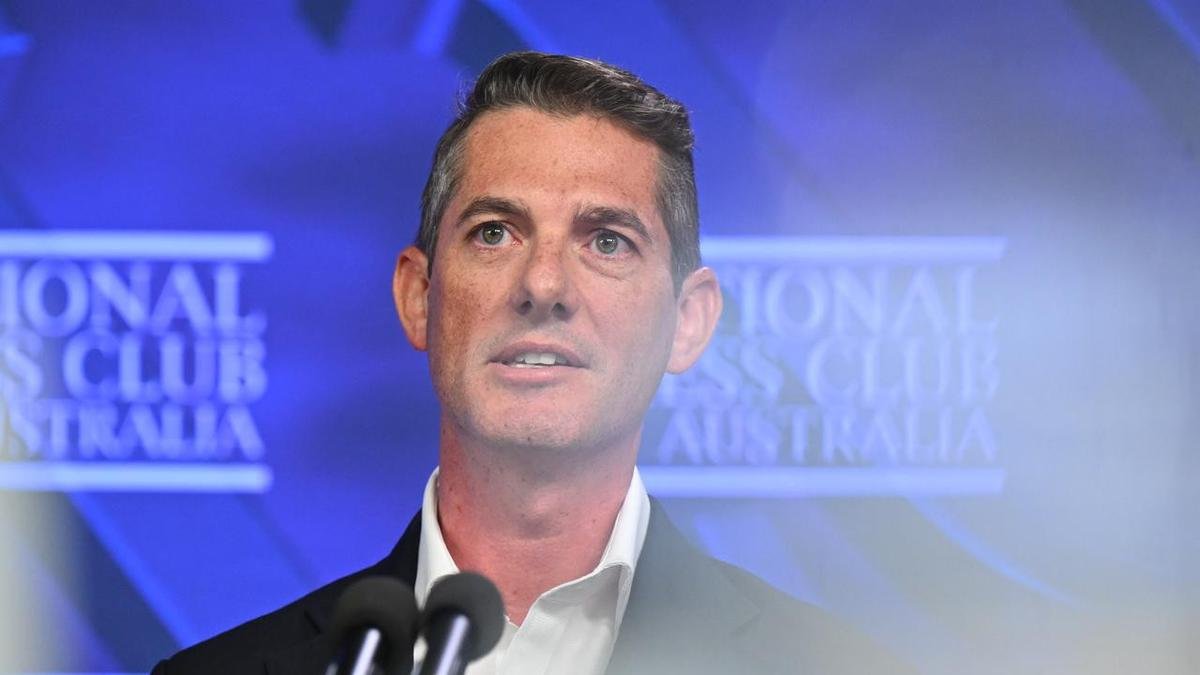
Alliance chair Tim Duggan issued the advice at the National Press Club in Canberra on Wednesday, while also calling for a moratorium on government advertising with foreign tech giants, and tax offsets to boost local news providers.
The assistance would be critical to bolstering the vulnerable industry, he said, that remained under threat from a growing number of aggressive tech companies.
His calls come after recent job cuts at outlets including Southern Cross Media and Punkee, and two months after the federal government announced plans to create a News Bargaining Incentive scheme to collect funds from digital platforms to pay media.
Despite the announcement, Mr Duggan said Australia’s media industry remained at risk from three major sources: big tech firms, government paralysis, and public trust.
While the actions of Meta and Google had dominated conversations around online news consumption for years, he said artificial intelligence companies now posed a significant additional threat as they were using news content without paying for it.
Anthropic’s Claude AI model, he said, scraped 24,000 pages of content for every referral sent back to publishers, which represented a broken system.
“We need strong assurances from the government that Australia’s perfectly robust and established system of copyright will not be sacrificed at the alter of a few false gods of artificial intelligence,” he said.
“We should not be welcoming any (AI) CEOs into parliament house without first demanding that they compensate the Australians whose work they have stolen.”
The federal government should also prioritise the introduction of its News Bargaining Incentive scheme, Mr Duggan said, and ensure that small, independent publications were not left out of its funding pool.
Australian media outlets would also benefit from a freeze on government ad spending with tech giants such as Meta, he said, and a tax offset scheme for journalists’ salaries like those seen in other industries, such as film and video game production.
“A lot of this is common sense and a lot of it doesn’t cost additional funds,” he said.
Discussions about the state of the news media could easily become negative, Squiz Media managing director Claire Kimball said, but with the right settings, Australia could support a healthy, beneficial industry.
“There’s no reason why Australian media can’t be very commercially successful and thriving,” she said.
“The point is around making sure that there’s a level playing field so that we do have a chance of commercial success.”


