


Source : the age
As fans of The Bear are currently realising, it’s no easy thing to wrap up a high-profile narrative series after multiple seasons. Getting the finale right is one of the hardest tasks in television.
The demands are many: storylines must be resolved, characters acknowledged and viewers must be left satisfied. Clouding every showrunner’s final mission is the lengthy history that shadows their every decision. As this worst to best ranking of high-profile conclusions reveals, disaster or deliverance are both possible.
- Please scroll to the bottom to vote in our poll on your favourite TV ending.
10. The Boys (Amazon Prime Video)
As a gory, gonzo take-down of American hypocrisy, this warped superhero satire started strong. But with each passing season it essentially repeated itself as the good guys and bad guys competed for a decisive item, only to indecisively sustain the status quo. For this year’s sixth and final season something different was expected, but The Boys didn’t have another gear or any genuine insight. It found a last-minute means of resolution with a desultory lack of leverage, with the final episode boisterously going through the motions. When leading characters finally met their fate, the impact was insignificant.
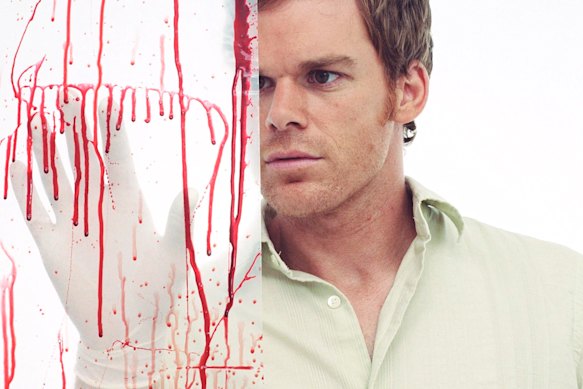
9. Dexter (Paramount+)
After eight seasons the original incarnation of this serial-killer thriller was running on creative fumes by 2013. It reached the finish line with a convoluted final episode, set against the backdrop of an approaching hurricane in Miami, that had Michael C. Hall’s cold-blooded vigilante making one implausible move after another, even as the show itself refused to reckon with his many murders and the audience’s affection for them. The final sequence, setting up the inevitable sequel, rubbed salt in the wound.
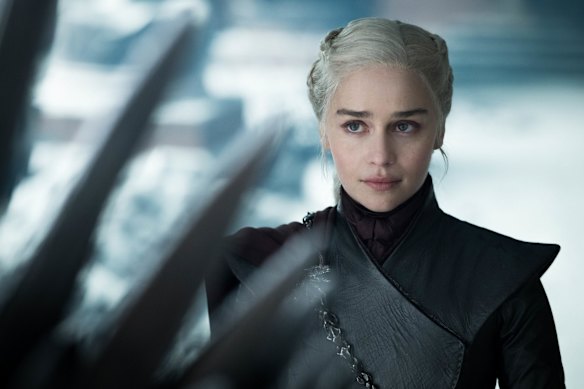
8. Game of Thrones (HBO Max)
HBO made a simple decision (for complex reasons) that proved to be disastrous for its blockbuster fantasy epic. After six detailed, intricately paced seasons they allowed four or five more seasons of storytelling to be compressed into two truncated instalments.
Creators David Benioff and D. B. Weiss raced to the finish, and the series visibly suffered. By the final episode many of the key storylines were tied up with unpersuasive leaps and barely developed justification – most notably in the death of Emilia Clarke’s suddenly dictatorial Mother of Dragons. It was a thorough end but disappointingly shallow.
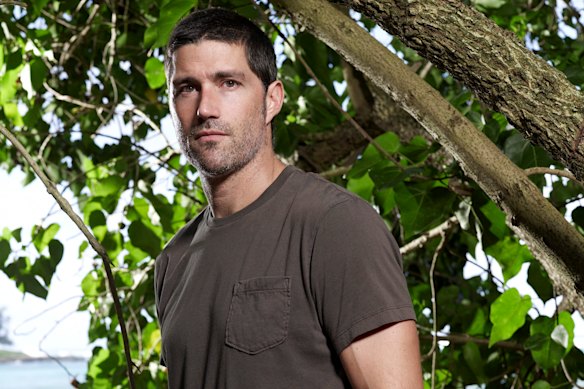
7. Lost (Disney+, Amazon Prime Video)
Wrapping up television’s biggest puzzle-box mystery after 119 ambitious episodes was probably too much to reasonably ask but Lost’s two-part finale did all that it could. For the most part, the passengers of Oceanic Flight 815 finally did escape the mysterious island that had taken them but it was notable that the narrative relied on the mystical – in sometimes hokey ways – as a vague answer when for so long the questions it pondered had been found in science-fiction.
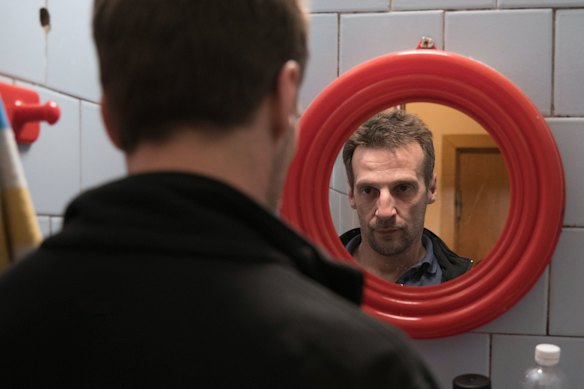
6. The Bureau (Paramount+, Amazon Prime Video)
For five seasons this masterful French espionage thriller about the country’s intelligence agency thrived on closely held deception, gripping technical detail and sombre ramifications.
The ripped-from-the-headlines realism was acute. But for the final two episodes creator Eric Rochant stepped back and in his stead empowered leading French filmmaker Jacques Audiard, who had no prior connection to the series. Audiard’s finale ignored some characters and featured a lengthy, subconscious-set sequence. At times it was like a dream about concluding The Bureau. Hugely divisive, quite fascinating.
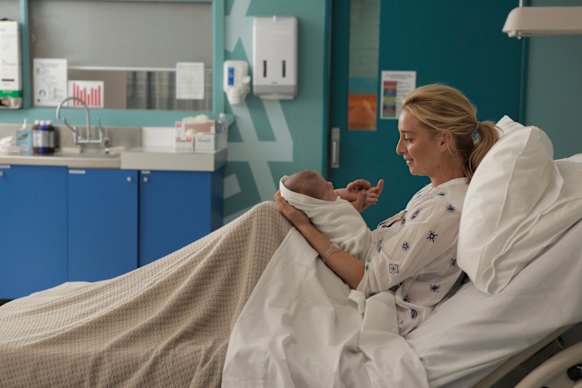
5. Offspring (Stan*)
Sometimes all you have to do to get the final episode mostly right is genuinely understand your characters. If they’re true to themselves then the storytelling will satisfyingly unfold. That’s what happened, after seven seasons of inner-city Melbourne mayhem, for obstetrician Nina Proudman (Asher Keddie) and her bustling mix of family and work friends in this Australian comic-drama. That Nina finally quit, recanted and then quit again – at her welcome-back party, no less – the job that had dominated her life felt fitting.
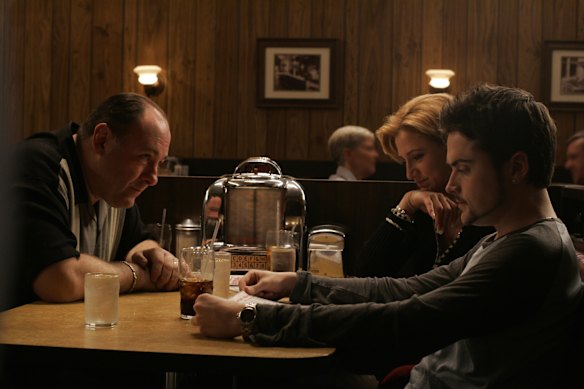
4. The Sopranos (HBO Max)
The source of much debate in 2007, the conclusion of one of television’s true masterpieces was sudden, shocking and bereft of satisfaction. Throughout a family dinner at a local diner, New Jersey mob boss Tony Soprano (James Gandolfini) is on edge, a mood exacerbated by creator David Chase’s direction.
Just as Tony spots his daughter arriving, the screen suddenly cuts to black for 10 long seconds, then: roll credits. Had Tony finally been whacked? Or was he trapped in fearful paranoia? The subsequent back-and-forth was what the show deserved.
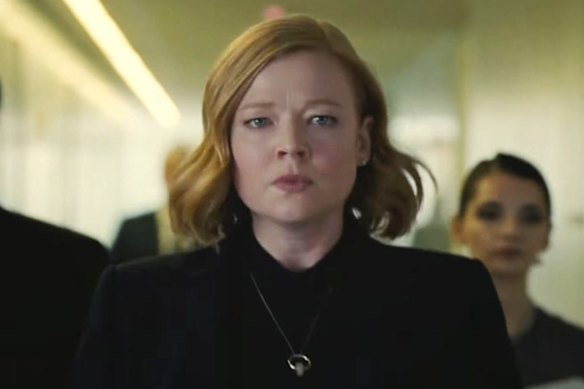
3. Succession (HBO Max)
Jesse Armstrong’s iconic series about an ageing media mogul and his fractious children elegantly covered much ground in just four seasons. With patriarch Logan Roy (Brian Cox) dead and a US presidential election swung to the far-right, the concluding episode answered the defining question of the show: who would run the (now sold) family business? Succession operated as a pitch-black satire and a family tragedy, and both sides were represented as the Roy siblings doomed themselves to failure. Their inability to co-operate was their father’s defining act of abuse. A note-perfect 88-minute summation.
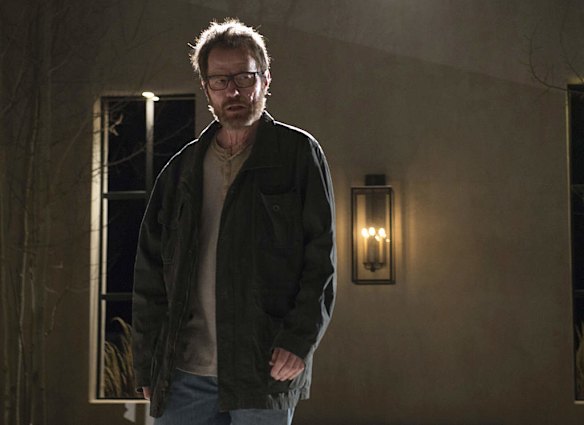
2. Breaking Bad (Stan)
Vince Gilligan, the creator of this neo-noir crime drama about an ailing high school chemistry teacher who becomes a methamphetamine manufacturer, ran a tight storytelling ship.
His 2013 finale, after five involved seasons, not only settled the fate of Bryan Cranston’s Walter White, it made the character acknowledge who he’d been all along. Walt dealt with his adversaries and freed his offsider, Jesse (Aaron Paul), but before he died he finally confessed to his wife, Skyler (Anna Gunn), and the audience, that he craved his underworld life. No redemption arc here.
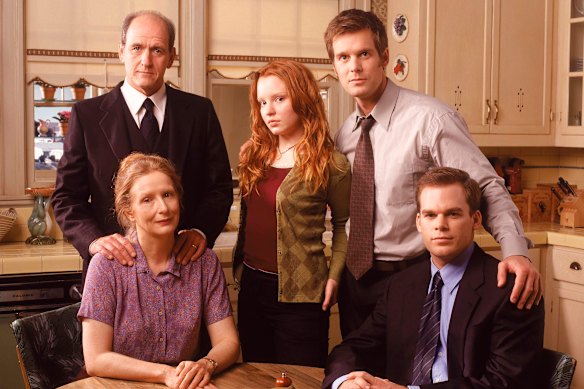
1. Six Feet Under (HBO Max, Binge)
The gold standard. Twenty-one years ago creator Alan Ball finished his blackly comic drama about the extended Fisher clan, whose family business was a Los Angeles funeral home, with a definitive episode. The show’s underlying belief that life’s complex pleasures can prosper when we accept death’s inevitability was exemplified in a series of departures, as the family remembered the deceased Nate (Peter Krause) while Claire (Lauren Ambrose) moves to New York. The final extended montage, set to Sia’s wrenching Breathe Me, celebrated the cycle of being by showing the future moment where each remaining character died. You have to pick yourself up off the floor afterwards.
*Stan is owned by Nine, the publisher of this masthead.