

Source : Perth Now news
Hopes for a new nationwide gun buyback have been dealt a blow after the deadline for governments to sign up to the proposed scheme expired.
Australia’s more than four million licenced guns were in Canberra’s crosshairs after the Bondi massacre prompted the federal government to promise buying back surplus and illegal firearms from their owners.
But the deadline to support a national buyback through state and territory parliaments expired on Wednesday, despite it being backed by a royal commission and several jurisdictions.
Queensland, South Australia, Victoria and the Northern Territory have all signalled they’re walking away from the proposed reforms, which would require them to chip in half of the cost of buying gun owners’ firearms.
WA has implemented its own scheme, with Tasmania following suit, leaving only NSW and the ACT to sign on to a national buyback.
A federal government spokesperson did not say whether it would extend the deadline for states to legislate a buyback, but indicated the scheme would go ahead, citing the agreement of national cabinet.
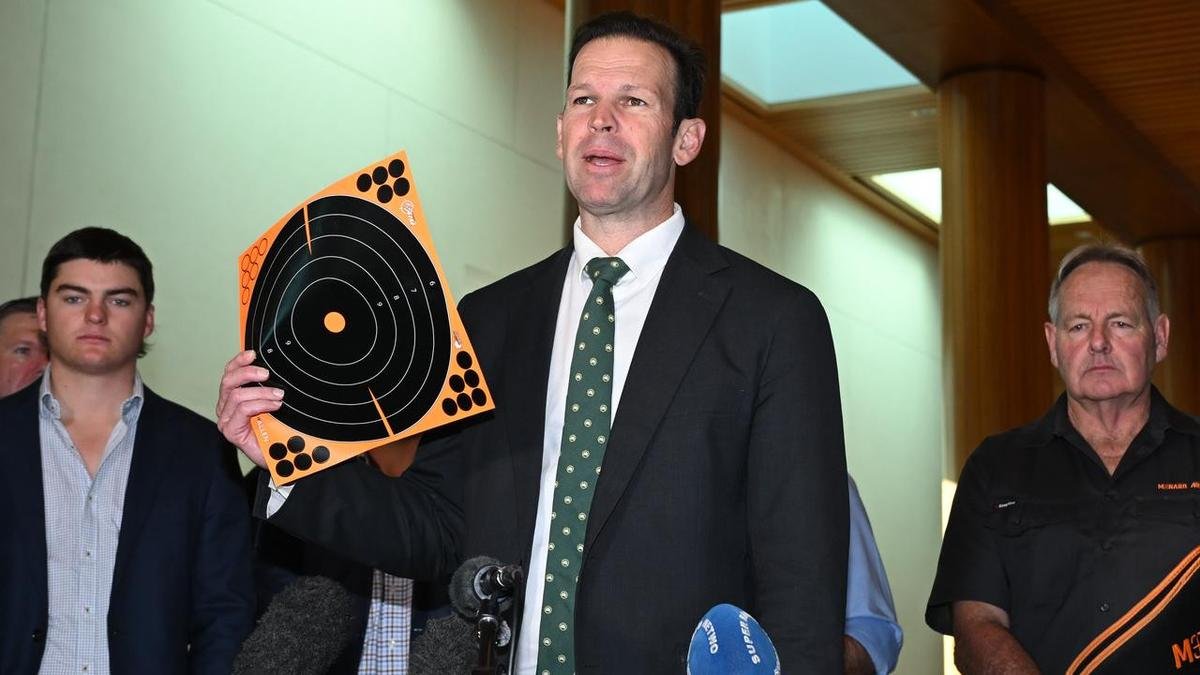
Breakaway gun law changes by certain states had wrecked hope for a nationwide agreement, Nationals MP Michael McCormack told reporters on Thursday.
“The states, they saw the folly in this, because they’re just not signing up”, he told reporters.
“How can you have a national buyback scheme when you’ve only got (some states) doing something about it?”
The July 1 deadline was the second to lapse after the federal government initially targeted early April for the changes.
The latest expiry was celebrated by Nationals Leader Matt Canavan, who called the reforms a knee-jerk reaction.
“It’s been a shocking period in policy development to what was the what was a tragic, terrible event in our nation’s history,” Senator Canavan told reporters.
“We should have got to the root cause … the real poison that caused Bondi was the spread of radical Islamic ideology.”
Amending the state-by-state patchwork of gun laws and working towards a nationwide buyback scheme were recommended by the royal commission into anti-Semitism and social cohesion in April, which also examined extremist ideology.
Intelligence agencies agreed the proposed gun reforms would help manage the risk of extremists accessing weapons, the report relayed.
Sajid Akram, who helped perpetrate the massacre that killed 15 people in December, legally accrued six guns with a basic firearms licence despite not being an Australian citizen.
The average Australian gun licence holder has more than four weapons.
Firearms retailers who joined the MPs to celebrate the deadline lapsing said their gun sales had fallen almost a third due to uncertainty over changing laws.
“All gun shops are family businesses,” store owner Matt Keogh told reporters in Canberra.