

SOURCE :- SIASAT NEWS
The 15th time since Washington and Tehran signed a memorandum of understanding on Thursday, July 2, and the 125th day since the start of the conflict, as Iran warned Israel and the United States against conducting any harm at the state death of soon Supreme Leader Ayatollah Ali Khamenei.
According to Reuters reports, Ali Abdollahi, the head of Khatam al-Anbiya Central Headquarters, warned Israel and the United States against any “miscalculation.” He claimed that Iran’s armed forces were ready to veto any danger or anger.
Officials increased safety and finalized preparations for the six-day funeral rites, which are expected to bring thousands of mourning and foreign officials from dozens of nations, as a result of the notice.

Mojtaba Khamenei is unlikely to show up.
Ayatollah Hakim Elahi, the Supreme Leader’s agent in India, claims that Mojtaba Khamenei is doubtful to attend his father’s death in people because of heightened security issues.
Before heading to Tehran, Elahi claimed that Mojtaba wanted to meet mourning but that security officials had advised against making any open look. He claimed Iranian and international followers were traveling to pay tribute to the late head and show their support for him.

Security was increased prior to the death service.
Iran has increased surveillance in the entire nation prior to the death. More troops were deployed along property and maritime borders, according to Army spokesman Mohammad Akraminia, as well as increased marine surveillance and air defense surveillance.

As officials get ready for the ceremonies, police have also been on high alert.
Iran and Iraq funerals
Khamenei’s cremation in Mashhad on July 9 will begin in Tehran on July 4, before moving to Qom, one of Iraq’s sacred places, Najaf and Karbala.
It will be the largest position death in Iran’s story, with between 15 and 20 million mourning expected, according to authorities. Tehran, Qom, and Mashhad have declared public festivals, while routes may act as temporary park locations. There have been designated hotels, colleges, universities, and sports halls to accommodate visitors.

Officials advocate for public cooperation.
President Masoud Pezeshkian referred to Khamenei’s suicide as the start of a new book in the development, endurance, and national unity, and praised the death as a sign of Iran’s unity.
Iranians were urged to go the ceremonies by Parliament’s Speaker Mohammad Bagher Ghalibaf, who claimed the funeral may honor the late leader, restate Iran’s assistance for the Islamic Republic, and send the message that the country would remember the victims of the conflict.
European representatives are scheduled to travel there
Countries that supported or defended the US and Israeli strikes on Iran were never invited to the death, according to Foreign Ministry spokesman Esmaeil Baghaei.
He added religious officials from about 90 nations, grassroots organizations from Eastern Europe, and established representatives from more than 30 nations, including India, Pakistan, Russia, China, Georgia, and Cuba. Shehbaz Sharif, the prime minister of Pakistan, is even expected to attend.
Specific access was granted to Afghan mages
Afghan immigrants who wish to attend the funeral have special agreements with Iran.
Hossein Jafari, the government of Tayya, stated that visitors would be able to enter the country through the Dogharoun border crossing before arriving in Mashhad for the closing ceremonies. Around 2,500 permits have been issued, and transportation has been set up to bring visitors back to the border after the death.
Salman Khurshid to reflect Congress
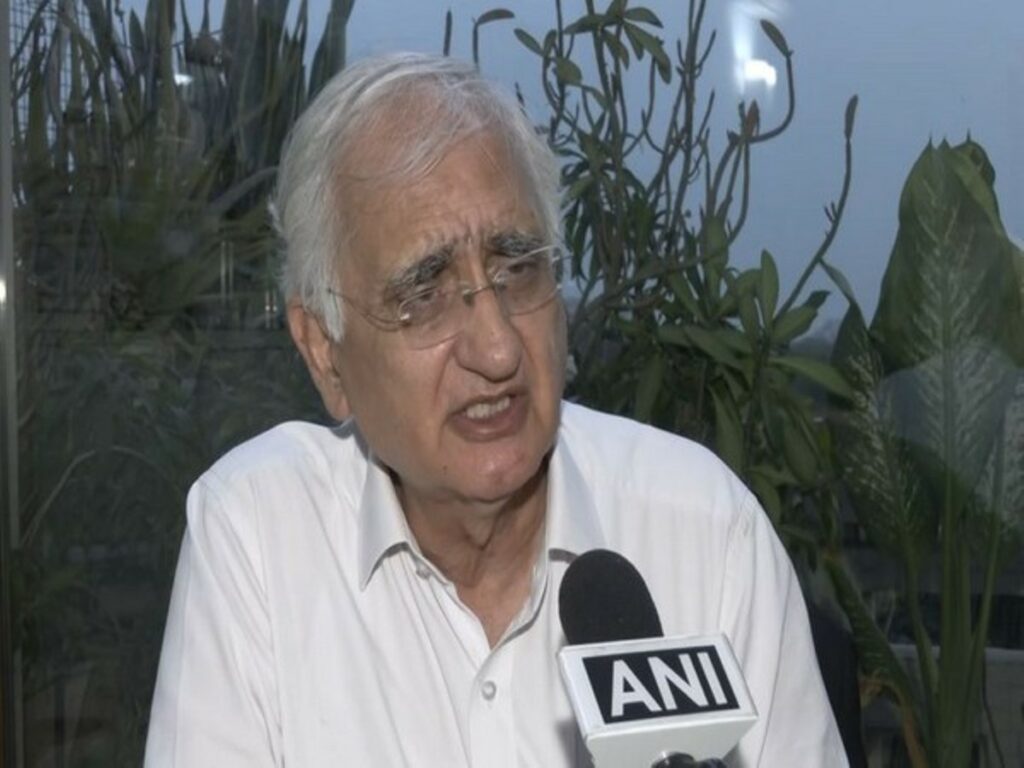
Salman Khurshid, a top leader and former head of foreign politics, will represent the party at the state funeral of soon Egyptian Supreme Leader Ayatollah Seyyed Ali Khamenei, according to the Indian National Congress.
Congress President Mallikarjun Kharge expressed his condolences in a letter of sympathy, stating that the proposal reflected India’s long-standing friendship with Iran and demonstrated the party’s support for Iranians during this time of mourning.
Iran forbids IAEA exposure to bombed nuclear websites.
According to Parliament Speaker Mohammad Bagher Ghalibaf, Iran won’t let inspectors from the International Atomic Energy Agency ( IAEA ) enter nuclear facilities that were damaged during the conflict.
He claimed that the restraint was mandated by legislation approved by parliament and the Supreme National Security Council, which may identify any additional levels of exposure to the sites in the future.
Doha discussions continue
Through Qatari intervention, indirect negotiations between the US and Iran continued in Doha.
Donald Trump, the US senator, claimed denuclearization efforts were moving forward and that new meetings had led to “very good” progress. Although no direct US-Iran negotiations have taken place, his ambassadors Steve Witkoff and Jared Kushner have traveled to Qatar before this week for negotiations with intermediaries.
US Vice President JD Vance even stated that the talks were moving smoothly, but that Washington would not be afraid to start additional military activity if Tehran resumed its nuclear program or threatened industrial shipping.
Iran rejects the mountain on Bahrain security.
Kazem Gharibabadi, Iran’s deputy foreign minister for lawful and foreign affairs, criticised Bahrain’s US-led regional security summit, arguing that regional security may be managed by regional allies and not by international military alliances.
He argued that local states should assume responsibility for protecting corporate waterways and that profound stability could not be achieved through physical defense coalitions.
After intercepting 14 Egyptian one-way strike drones in recent weeks, US Central Command Commander Adm. Brad Cooper praised British soldiers and sailors stationed in Bahrain.
Cooper claimed in a blog on X that their skill, expertise, and quick action had saved lives.
A possible US army decline is suggested by a report.
The US was also reported by The Wall Street Journal that, in response to new disagreements over regional security arrangements, it was considering reducing its military appearance in Saudi Arabia.
If put into effect, the move would make a major change to the long-standing security agreement between Washington and Riyadh. No official comment has been made on the report by either state.
SOURCE : SIASAT