

Source : Perth Now news
Australia’s bird flu tally may climb to double figures as infections in migratory seabirds mount, triggering warnings of a potential wildlife crisis.
Eight H5 cases have been confirmed to date with another four suspected infections found across two states, placing authorities on high alert.
All the cases involve migratory birds but experts have warned Australia must be prepared for the potential “devastating” impact on local wildlife.
”It’s extremely nerve‑wracking,” Invasive Species Council’s Dr Carol Booth told AAP.
“We’re very concerned that the next report will be of mainland wildlife being infected.”
There was a “bit of room for hope” considering native wildlife had not yet been impacted, she said.
”But given the climbing numbers and the extent of the geographic spread of those cases, it’s of great concern,” she said.
“We really need to be prepared for what could be a really devastating time ahead of us.”
A second infection has been confirmed in South Australia, adding to the five cases in Western Australia and another in NSW, according to federal authorities.
Four suspect cases – two each in WA and SA – are under investigation, taking the potential national total to 12.
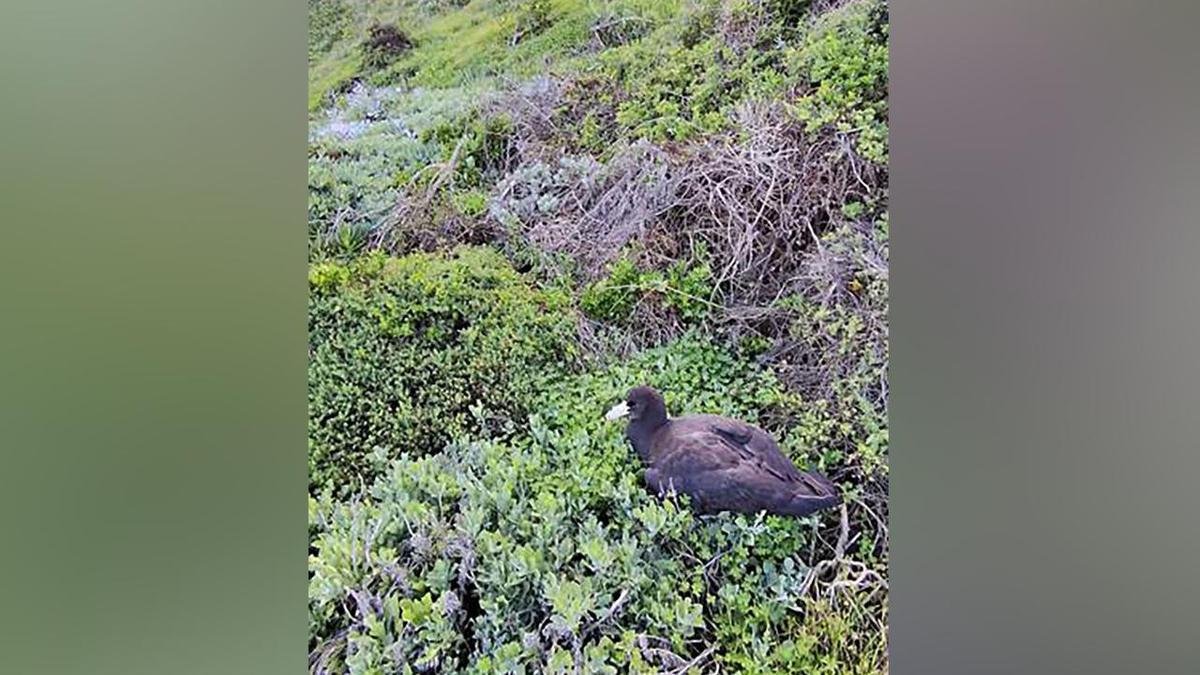
The virus was first detected on the Australian mainland on June 14 in a brown skua found at Esperance on WA’s south coast.
Authorities say the immediate risk to the public remains low, but are warning people not to touch sick or dead birds or wildlife, to keep pets away and to report any unusual deaths or behaviour.
Dr Booth said the virus was so versatile it could spread through close contact, contaminated water and even inanimate objects.
It can also jump from birds to scavenging and predatory animals such as cats, dogs, foxes, raptors and even Tasmanian devils.
Overseas, the H5 virus has ripped through wildlife.
In South America it has been associated with the deaths of tens of thousands of sea lions and southern elephant seals.
”Once it spreads into wildlife, there is probably no hope of containing it,” Dr Booth said.
”Some of our wildlife is so precious and vulnerable that they could be wiped out.”
She warned that colonial seabirds and wetland birds, sea lions and seals, scavengers such as raptors, and very rare species such as the orange‑bellied parrot – with fewer than 100 left in the wild – are especially at risk.
Environment groups and scientists are urging the Albanese government to back a major wildlife resilience package, arguing that surveillance alone will not be enough if H5 becomes established in wildlife.
”The best thing we can do for wildlife is to reduce other threats now so they have the best chance of surviving and recovering from disease outbreaks,” Dr Booth said.
That includes controlling invasive cats and foxes that prey on susceptible native animals, eradicating invasive species from islands, and restoring wetlands to strengthen habitats for aquatic birds.
Bird flu has not been detected to date in commercial poultry or any non‑migratory wild birds, and officials say the virus has not become established in any part of Australia.
Suspected cases should be reported to the Emergency Animal Disease Hotline on 1800 675 888.
Information is available at birdflu.gov.au and pir.sa.gov.au/birdflu.


