
Source : THE AGE NEWS
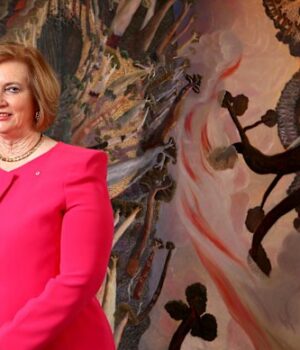
Boardroom veteran Helen Nugent, who is leading Healthscope’s bid to become a not-for-profit, will meet the group’s landlords this week to mend relationships and potentially broker a deal that would keep Australia’s second-largest private hospital operator intact.
On Monday, the well-respected director plans to meet the boss of landlord group Healthco, Sid Sharma, to end a stand-off that scuppered a plan announced in February – after it was approved by Healthscope lenders – to convert the group into a non-profit operation run by its current management team.
Healthco, which owns 10 Healthscope properties, is backed by rich lister David Di Pilla. A meeting is also being arranged with Healthscope’s other major landlord, Canadian group Northwest Healthcare.
Onerous rents were identified as one of the issues that had led to Healthscope’s financial collapse last year, and the renegotiation of current lease contracts is seen as one of the major changes needed to make the operation viable.
Last Tuesday, Nugent – a corporate veteran who has been advising Healthscope since June – presented Healthscope’s latest proposal to become a not-for-profit, which has been labelled PurposeCo, to lenders and the receivers. As a not-for-profit, Healthscope would not have to pay about $100 million in payroll tax each year.
Nugent’s presentation came just days after the consortium of private equity group Pacific Equity Partners and healthcare operators presented a rival non-binding indicative offer to the lenders.
None of the parties involved would comment on the negotiations given the sensitive stage of the talks. But sources involved in the sales process said the PurposeCo proposal continued to be preferred by the lenders owed $1.7 billion and the receivers they appointed to oversee the sales process.
“The PurposeCo presentation was impressive. Helen Nugent and [Healthscope chief executive] Nicole Waldron have worked hard to build a plan that is credible and compelling,” one source close to the discussions said.
Sources from the private equity consortium, however, describe their offer as the only feasible proposal because they have secured an agreement with the landlords.
A final binding offer is due to be lodged by the consortium on August 11. A source involved with the consortium said there is “a definitive timetable agreed to between the parties”, which is being met and would lead to a binding agreement this month.
The landlords, however, have not received a formal proposal from the receivers or Healthscope as a not-for-profit entity.
In May, Di Pilla’s Healthco said it has “executable new lease agreements in place for their 10 other Healthscope hospitals” with the private equity consortium and stated it had “not received any formal proposal, proposed commercial terms or requests for assignment of the existing leases in respect of the ‘PurposeCo’ model”.
Nugent has this week to convince the Northwest and Healthco landlords that PurposeCo can come to terms with them both on rents.
“Once landlords hear the PurposeCo detail from Helen, we expect they’ll recognise it is at least as good as the consortium for them – both economically and from an execution standpoint,” the source involved with the lenders and receivers said.
Both Healthco and Northwest blasted the PurposeCo proposal in February and emphasised there would be no deal unless they agreed to it.
“No information has been provided to us on how the entity can possibly be viable when all the profitable lender-controlled assets have been sold off,” Richard Roos, the co-head of Northwest’s Australasian operations, said. “If this entity fails again, it will be at the expense of all Australians.”
Receiver Keith Crawford said in February that the not-for-profit plan was the only option that would keep all of Healthscope’s hospitals open and prevent job losses.
Northwest owns 12 Healthscope properties. Both Northwest and Healthco later chose to back the private equity-led consortium that would split the hospitals between multiple operators.
The future of Healthscope is a significant one for Australia’s health system. The private hospital sector provides about 70 per cent of elective surgeries in Australia, taking immense pressure off state and federal governments.
Private hospitals are also under pressure from funding problems with private health insurers, and the loss of lucrative multi-day hospital stays by private patients in favour of at-home care.
If the consortium proposal is accepted, 16 of the company’s remaining 27 hospitals would be operated by not-for-profit company Calvary Health Care. Pacific Equity Partners-backed hospital operator Healthe Care would be taking on six, and private operators Acurio, KnG and an unnamed party would pick up the rest of the embattled company’s operations.
Late last year, the receivers from McGrathNicol rejected a proposal from Northwest to carve off the 12 hospitals it owned in a deal with Calvary worth $140 million.
The Market Recap newsletter is a wrap of the day’s trading. Get it each weekday afternoon.
 Colin Kruger is a senior business reporter for the Sydney Morning Herald and The Age.Connect via email.