

Source : the age
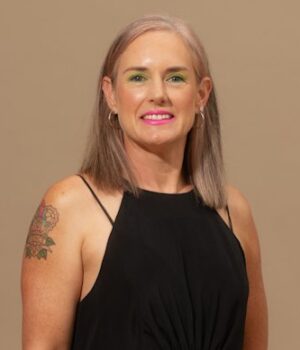
When Laura McConnell was kicked out of her family and the religious cult they raised her in, she went to Centrelink so she could feed herself, a counsellor to work through her issues, and a doctor for a check-up.
None of them understood what she was telling them.
“They just didn’t have the vocabulary,” McConnell says. She was a teenager, so Centrelink wanted a form signed by a parent or guardian – which was impossible. The GP said, “All the women in your religion are depressed – I don’t know what to do for you.”
The counsellor gave McConnell the number of a priest, but her group relied on lay preachers, so she “grew up thinking that, to speak to a priest is to speak to the devil”.
“I just shut down and didn’t talk to a counsellor for years because I thought that’s where I’d be sent … I found myself in a world I didn’t know anything about, with no language to describe what had happened to me.”
All this happened 27 years ago, but McConnell said she helped people leaving the group today who still struggled with the same problems.
Children’s ‘entire sense of self, relationships, and worldview are constructed by the group before they have the capacity to question it’.Crossing the line: Coercion and harm in high‑control groups
McConnell was born and raised in an ultra-strict Christian sect known as Two-by-Twos – but ignorance about the practices of such “high-control groups” is almost universal.
Last week, a Victorian parliamentary committee tried to find a language to combat that ignorance. It defined the features of groups sometimes known as cults, and recommended better training for police and child protection workers.
It also recommended the Law Reform Commission formulate a new criminal offence for “group-based coercion” to prosecute the leaders of such groups.
Patrick McIvor, a former member of a high-control organisation and a counsellor and policy consultant, said “the development of shared language that we haven’t had before” was the committee’s most significant finding.
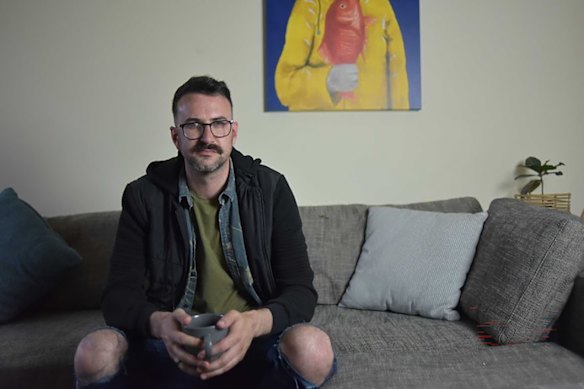
“People have talked about this experience of not being able to know or name what they’ve been through, especially kids who have grown up in this environment,” McIvor said. “They have felt they’ve had to try to translate themselves into existing categories or terms that people understand.”
It’s unclear how many people are part of high-control groups, but the committee chair, Labor MP Ella George, said her 15-month inquiry had received more than 600 submissions and responses to questions from Victorians, and “to me that speaks to the size of the issue”.
George said she had found the evidence she’d heard “heartbreaking and devastating”.
Her report says the beliefs of these groups are almost immaterial – they can be “religious, commercial enterprise, therapeutic or wellness communities, or any other type of group structure”. What makes them a problem are their practices.
The committee found the coercive control these groups exercise over their members – whether they are born into them or are recruited – suppresses their capacity to act, think or live independently. The groups demand ideological or religious purity, they surveil and monitor their members’ activities and patrol their thoughts. They also foster an “us versus them” mindset towards the broader community.
The threat of public humiliation or excommunication fosters fear and keeps people under the thumb.
Cumulatively, it means members rely on the group for their identity, self-worth, morality, and decision-making – while questioning and critical thinking are punished.
The committee found these practices caused life-long psychological damage. People live in a state of threat, anxiety and hypervigilance, often even well after they have left the group. The erosion of individual autonomy and self‑trust means people often struggle to form or maintain their identity.
Children, such as McConnell, who were born into such groups were even more vulnerable than those who were recruited.
“Their entire sense of self, relationships, and worldview are constructed by the group before they have the capacity to question it,” the committee found. Children schooled at home or by the group are worse off because of severely constrained access to “safe adults” outside the group.
Healthy groups, by contrast, were transparent and gave their members choice and the freedom to question or refuse, and the ability to leave the group without fear of punishment, the report found.
“People also have the right to be free from religion,” McIvor said.
Cassie Davies, who was born into the Plymouth Brethren Christian Church, said the church’s practices had suppressed her identity, and, as a woman, had “boxed me in” to a framework of what was acceptable and not acceptable.
“The suppression of any sort of sexual exploration, the complete taboo of the subject, all of that is completely emotionally abusive of children,” she added.
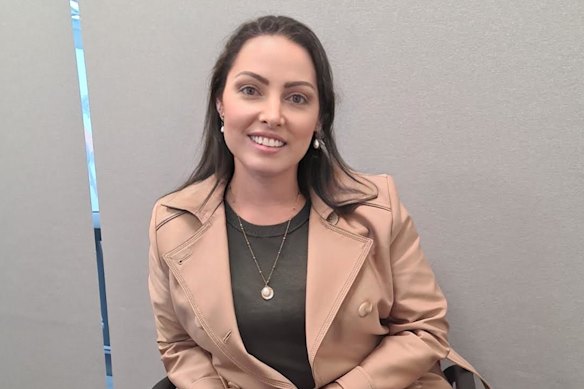
Establishing who to blame, though, was complex, Davies said. “Who’s the perpetrator? My mum is – but that’s because she believes that’s right, and that’s how her identity has been formed.”
Davies did not give evidence to the Victorian parliamentary inquiry. A Plymouth Brethren Christian Church spokesman said the church had not been approached by the committee, and “its report and findings have nothing at all to do with our church”. Asked about coercive practices, the spokesman said “none of this describes life in our church. This report is not about us.”
Among the committee’s recommendations are that the charities regulator, ACNC, abolish the category of “basic religious charity”, under which a number of high-control organisations are exempt from key governance and reporting obligations.
The committee said its proposed new criminal offence would be similar to coercive control offences for family violence that have been introduced in some jurisdictions and promised in Victoria, but different in crucial ways.
It said criminal culpability should focus on leaders – “those who create, maintain and benefit from systems of control”. The “apparent consent or compliance” of a victim should not be a defence if it was produced by coercion.
Victoria Police said any legal change was up to the government.
In 1996, a federal committee considered if the harm caused by “cults and obsessive small religious groups” should be included in the definition of harm under criminal law. Nothing came of it – one of a number of similar recommendations over the years that have gone nowhere.
“This report looks great, it looks promising,” Davies said. “But it’s government. What are we going to see? Twenty years from now we might see a change.”
Start the day with a summary of the day’s most important and interesting stories, analysis and insights. Sign up for our Morning Edition newsletter.