Source : Perth Now news
The facial images of NSW driver licence holders could soon be added to a national database to help combat identify theft.
It is one of a slew of proposed legislative changes aimed at giving police more tools to fight crime in the digital age, being introduced to parliament on Thursday.
Police would also have new powers to force individuals to provide access to phones and devices suspected to be associated with organised crime and access to unredacted images from toll cameras.
NSW Premier Chris Minns said the aim was to make it harder for criminals to operate remotely, via encrypted technology, the dark web and layers of intermediaries.
“Organised crime has changed, and our laws need to change with it,” he said.
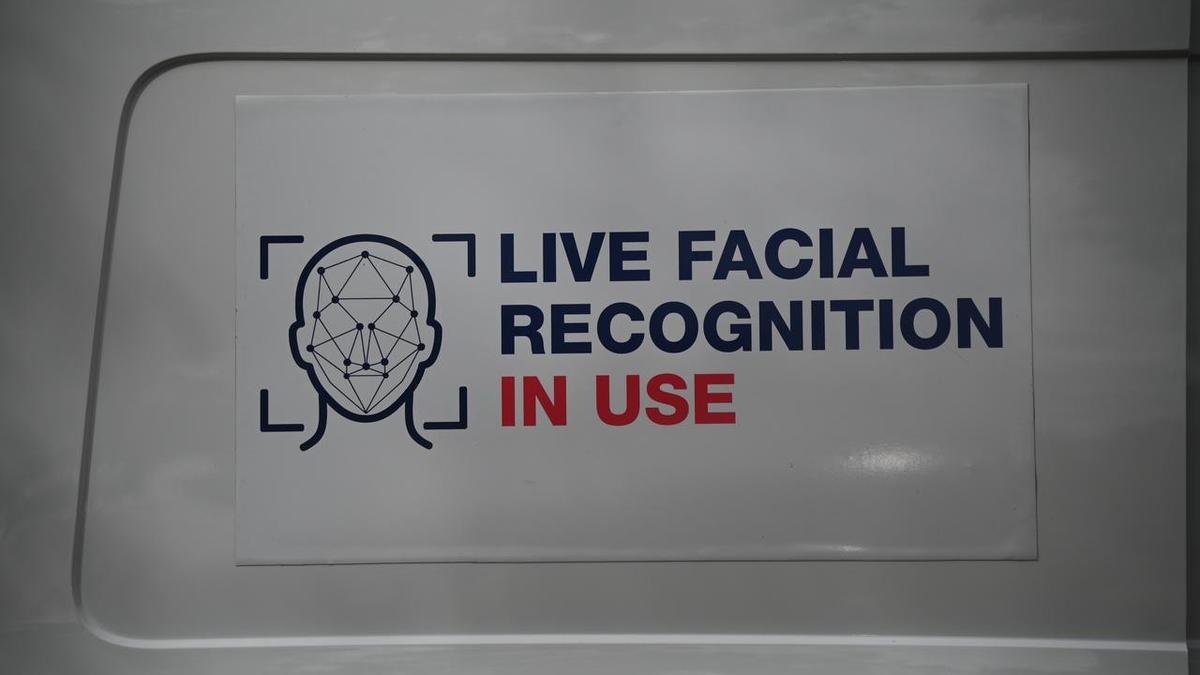
NSW would join Western Australia and South Australia in connecting to the Commonwealth-operated, National Driver Licence Facial Recognition Solution.
It would allow Transport for NSW to share driver licence and photo card images, which could be used to prevent identity theft in the event of a data breach.
Where stolen identity documents are used to open a bank account, for example, facial verification could identify the person presenting the documents is not the legitimate owner, preventing the fraud attempt.
Another change would be easier and faster access to phones for police investigating suspected organised crime under a new a new Digital Evidence Access Order.
Currently, a device can only be ordered to be unlocked if it is seized as part of a Search or Crime Scene warrant.
The proposed changes would expand those powers to apply to serious offences linked to organised crime, including drug supply, the illicit tobacco trade, fire-bombings and public place shootings.
Those who don’t comply with the orders could face up to seven years jail.
Potential jail time for failing to comply with the NSW Crime Commission, including refusing to answer questions, providing false or misleading evidence, or obstructing investigations, would also be doubled under the changes.
Another major proposed change is to give police investigating serious offences, or responding to missing person cases, access to unredacted images captured by toll cameras on public toll roads.