Source : Perth Now news
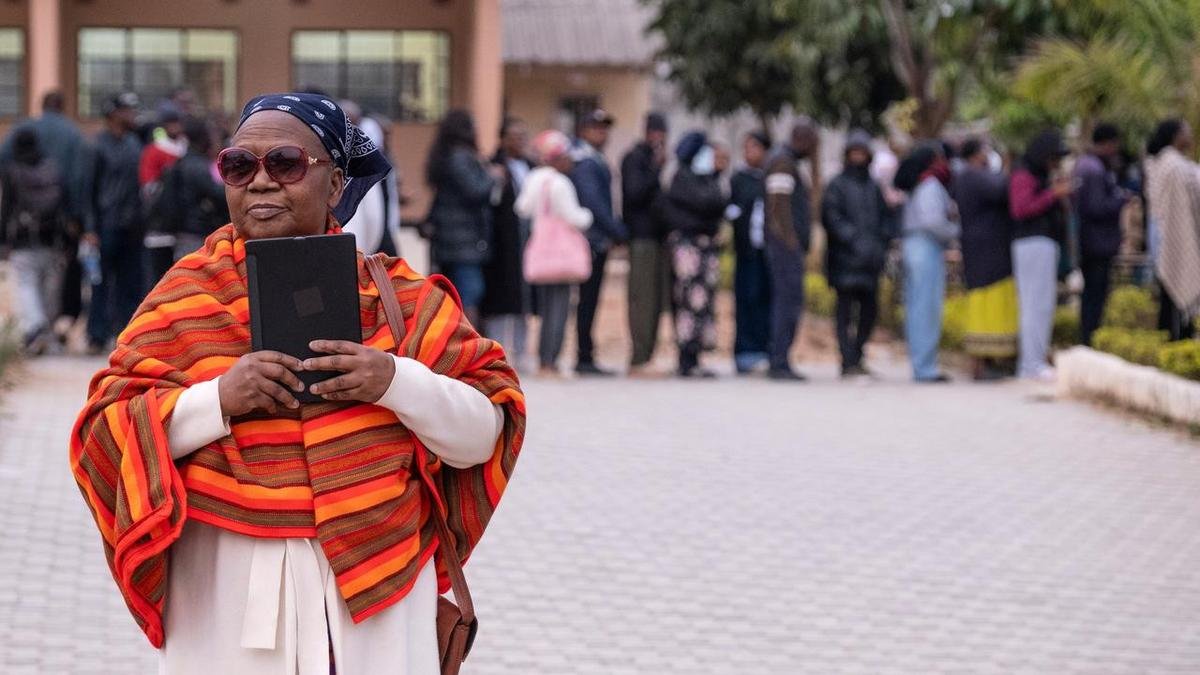
Zambians have begun voting in a presidential election that will test whether President Hakainde Hichilema’s economic reforms were enough to overcome widespread frustration over the cost of living.
About eight million people in the southern African country of 22 million are registered to vote in Thursday’s election.
Voters will also choose members of parliament and local government councillors, with results expected on Monday.
Hichilema faces 13 other candidates in the presidential vote, though Brian Mundubile of an opposition alliance is expected to be his strongest challenger.
The election is widely seen as a referendum on Hichilema’s handling of the economy.
He came into power in 2021 and is seeking a second term.
He argues that he inherited an economy in crisis and has overseen the restructuring of Zambia’s massive foreign debt, presided over economic growth and helped to court investors.
Hichilema says he needs another five years to create jobs, improve infrastructure and expand public services.
Many Zambians say they do not feel the benefits as unemployment, food prices and an unstable electricity supply continue to strain household budgets.
The election is also being closely watched abroad because Zambia is a major copper producer seeking to sharply increase production of the metal, critical to electric vehicles, renewable energy and power grids.
Security and political tensions rose in the final days of the campaign.
Police deployed additional officers and warned against violence, disruptions at polling stations and the circulation of false results.
Opposition parties have accused Hichilema’s government of using state institutions to target political rivals, allegations the government rejects.
The opposition’s Tonse Alliance said a law enforcement raid on its offices days before the election was politically motivated.
Hichilema spent four months in jail on treason charges when he was an opposition leader under former president Edgar Lungu, whom he defeated in 2021.
Lungu remained an influential political figure until his death in South Africa in 2025.
A presidential candidate must win more than 50 per cent of the vote to avoid a run-off.
Zambia has long been regarded as one of southern Africa’s more stable democracies, with a history of largely peaceful transfers of power.
Hichilema’s victory in 2021 marked the country’s third transfer of power to an opposition candidate since multi-party democracy was restored in 1991.