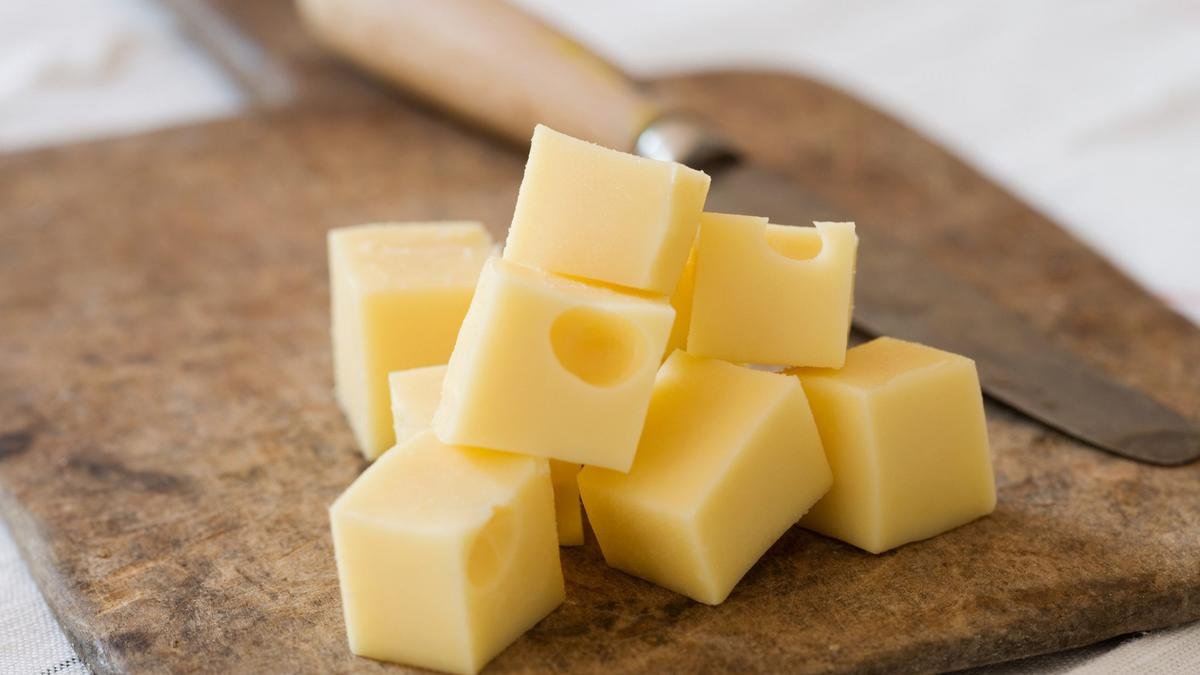
Source : Perth Now news
Italy’s beloved Parmigiano Reggiano is facing an unexpected climate problem: keeping cheese cool.
Extreme summer heat is pushing up energy costs at the climate-controlled warehouses where hundreds of thousands of wheels are stored as collateral for loans to dairy farmers.
Credito Emiliano, known as Credem, has accepted young Parmigiano Reggiano wheels as collateral since 1953.
Its subsidiary, Magazzini Generali delle Tagliate, matures the cheese in Reggio Emilia and Modena, holding more than half a million wheels worth well over €300 million.
Producers can receive 60 to 80 per cent of a wheel’s value upfront, allowing small dairies to access cash while their cheese ages for at least 12 months and often up to three years.
But extreme heat is making that system increasingly expensive.
Daily electricity consumption at the vaults rose by roughly 30 per cent during the peak of this summer’s heat, forcing upgrades to cooling systems and boilers, more insulation and increased renewable power generation.
The problem begins much earlier, however, in the cowsheds.
When temperatures climb above 40C, cows eat less and spend more time lying down, reducing milk yields by as much as 10 per cent.
“Extreme heat impacts milk’s quality and quantity,” said Nicola Bertinelli, president of the Parmigiano Reggiano Consortium.
The cheese can only be produced in five provinces, using milk from cows fed on grass and hay grown locally. That leaves producers particularly exposed to drought and extreme weather damaging animal feed.
Italy produced 4.19 million wheels of Parmigiano Reggiano in 2025, generating consumer turnover of around €4 billion.
Economists say the financial impact of heat can take time to emerge, travelling down the supply chain from farms to manufacturers and lenders.
R. Jisung Park, a labour economist at the Wharton School, said heat upstream produces “measurable downstream firm valuation impacts”.
With wheels potentially spending three years in storage, every scorching summer can add costs long before the cheese reaches consumers.