source : the age
Plenty of weird things are pulled out of Brisbane’s sewerage system – toys, phones, false teeth, half a surfboard and even a snake – but if you ask the man responsible for looking after those pipes, they’ve got nothing on wet wipes.
The wipes, flushed from toilets around the city, become glued together by a mash of sewage to form long, dark monsters known as fatbergs.
“You can imagine what it smells like,” said David Brooker, Urban Utilities’ executive leader of operations and maintenance.
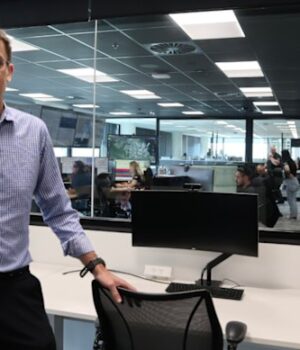
Brooker runs a team of hundreds: a 24/7 on-call team to deal with blockages, a monitoring centre at the company’s Fortitude Valley headquarters, engineers and support staff, and a legion of workers chipping away at upgrading the network.
Urban Utilities look after more than 20,000 kilometres of pipe (half water, half wastewater), 28 wastewater treatment plants and 348 wastewater pump stations across Brisbane, Ipswich, the Scenic Rim, Somerset and Lockyer Valley councils.
Despite the size of the team, Brooker said they can’t know what’s happening throughout the whole system at all times.
“Because all this infrastructure is buried, you can’t actually see every bit of the infrastructure all the time,” he said.
In 2025, the 3000 blockages in the wastewater cost nearly $3 million to fix, according to the company.
“What we’re really wanting people to be aware of is what they put down their toilet and sink really matters,” Brooker said.
What can seem like a harmless splash of oil or fat down the drain after frying up a meal can lead to big problems for the network.
Then there’s the wet wipes.
“We certainly are seeing an increase in wet wipe use, so we see them turning up at our treatment plants much, much more now than we did five and certainly 10 years ago.”
These wipes, even some labelled as flushable, don’t break down like conventional toilet paper, and when they meet with the oils and fats coming from kitchens around the city they can create a monster.
“It can clump up in pipes, it clogs up pumps or clogs up our treatment plants,” Brooker said.
Fatbergs, responsible for about 20 per cent of the network’s blockages, had a national moment last year when they were blamed for mysterious round objects – eventually named “poo balls” – washing up on Sydney beaches.
Brooker said that won’t happen in Brisbane as the water is treated heavily before it makes its way to Moreton Bay, but that doesn’t mean they’re good for the system or enjoyable to work with.
“It’s wastewater or sewage that might have been stuck there for a few days or up to a few weeks if it gets clumped – it’s not a pleasant experience.”
Avoiding wipes that don’t break down and wiping oils from pans and popping that the bin would go a long way, Brooker said.
However, tree roots chasing water are the greatest challenge, with Urban Utilities deploying a routine program to find susceptible areas of the up to 100-year-old network to look out for thirsty plants.
The company’s awareness push around what can go down the drain – which includes a comic titled Rise of the Fatberg handed out at the Ekka – coincides with increased media attention in the Brisbane network, which saw a series of memorable bursts last year, and the company having to walk back planned increases to bulk water charges.
“A few people have done some reports saying: ‘Hey, we’re getting to a stage in our network where we’ve got to start to manage [it] a little bit differently because if we don’t, things come to the end of their useful life,’” Brooker said.
He said network upgrades, both through the cheap option of re-lining old pipes and the expensive one of duplicating them, have much more to do with population growth than the age of the system.
“The price of your water bill is really heavily dominated by the cost of that infrastructure that’s in the ground, so the way we can efficiently serve and keep the prices down in the long run is by really making sure these assets are being used well and as long to their full capacity as possible.
Start the day with a summary of the day’s most important and interesting stories, analysis and insights. Sign up for our Morning Edition newsletter.