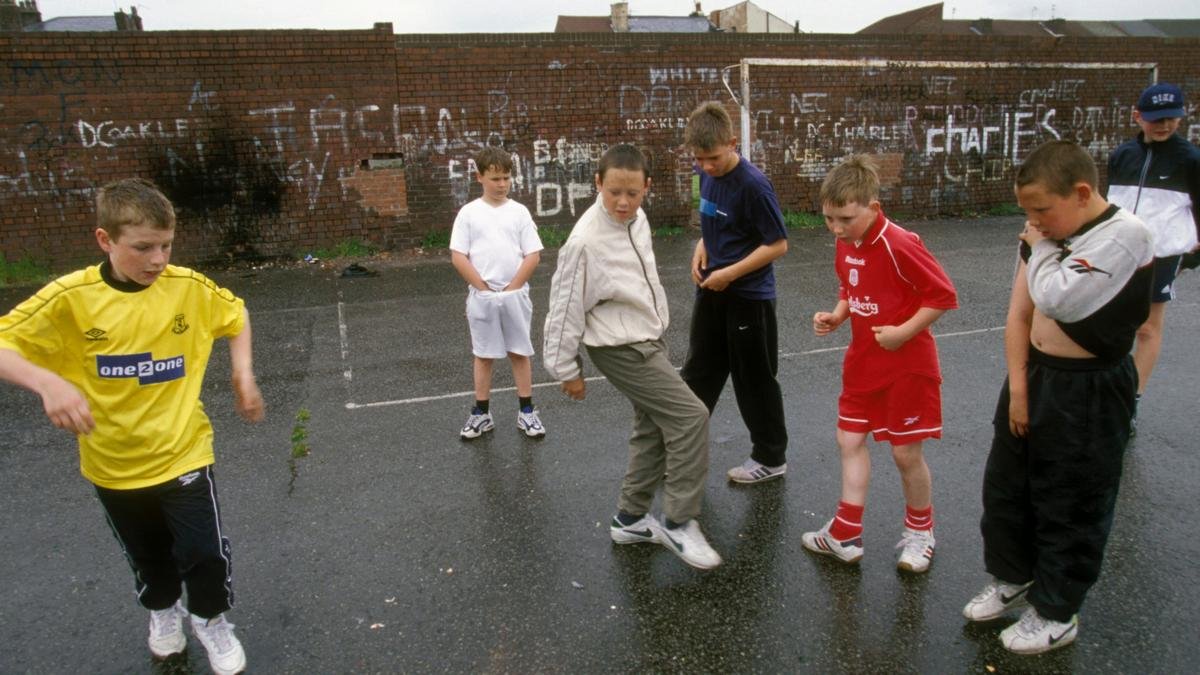
Source : Perth Now news
Children are being given less freedom to play outside alone, with parents now allowing them to roam independently at an average age of almost 11.
A University of Exeter survey of nearly 2,000 parents and caregivers found children were typically allowed independent outdoor play at 10.8 years old, compared with 9.7 years for their parents.
More than half, 56 per cent, said they let their children play independently at an older age than they were allowed to when growing up.
The generation gap is even more striking when it comes to street play. Children now spend just 25 minutes a week playing outside in the street, while their parents and grandparents would spend hours away from home.
Experts warn that youngsters are missing out on fresh air, independence and the mental health benefits of outdoor play.
Professor Helen Dodd, director of the university’s new Outdoor Play Research Centre, said: “The generational play gap revealed in our new research provides more evidence that children across the country are missing out on opportunities for independent outdoor play.
“Many of us have fond childhood memories of playing out until the street lights came on, enjoying our first taste of freedom, yet today’s children are missing out on those same experiences.
“The Outdoor Play Research Centre is being founded on the principle that we must do better for our children.
“We want to see a step change for children’s independent outdoor play.
“We will conduct the scientific research needed to drive this change and work in partnership with a wide range of organisations to deliver it.”
Researchers blamed the decline on busy roads, a lack of suitable play spaces and increasing screen time.
The Exeter team says independent outdoor play is linked to fewer symptoms of anxiety and depression and greater happiness among five to 11-year-olds.
Previous research also found children who played outdoors more frequently at ages two, three and four were more likely to maintain good mental health into middle childhood.
For every additional day of outdoor play during the preschool years, the odds of having a healthy mental health profile at age eight increased by between 6 and 14 per cent.
Amber Ogunsanya-William, an inclusive play consultant and NSPCC Champion of Childhood, said: “Play isn’t a privilege, it’s a fundamental part of development, ensuring children have the tools they need to mature into adults.”