

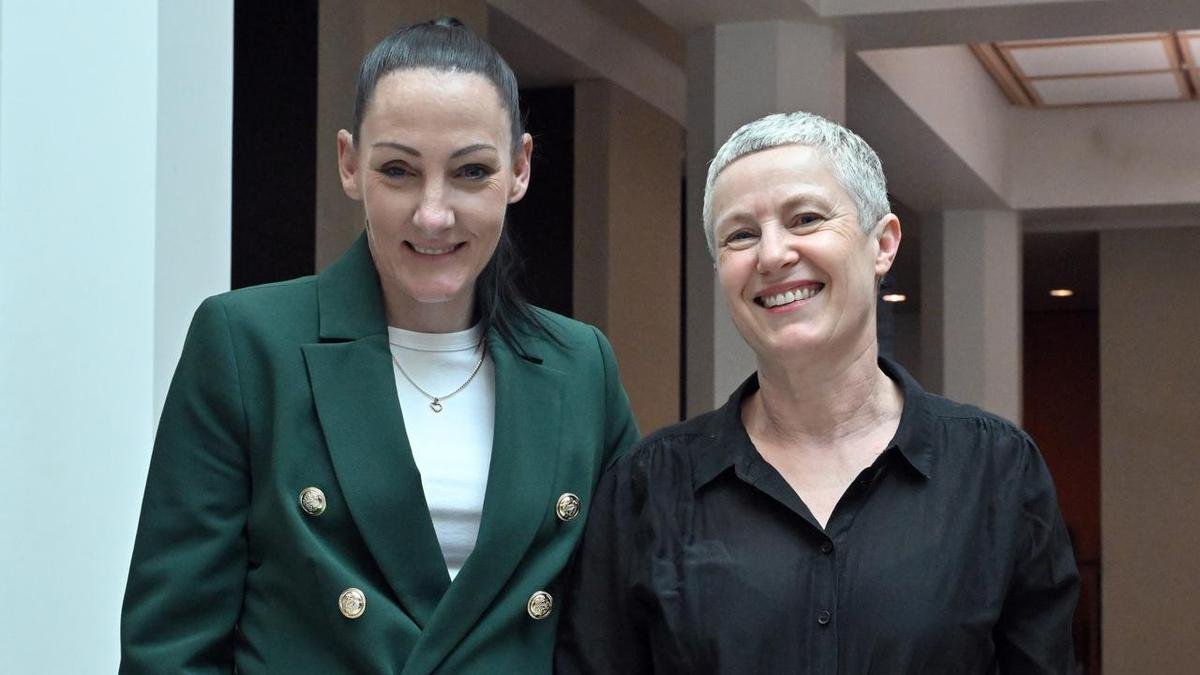
Source : Perth Now news
For more than half of her life, Brina Hinton has struggled to find stability in the face of homelessness, poor mental health and drug addiction.
The Queensland single mother started living on the streets when she was 16.
She said she was sexually assaulted and given drugs in exchange for a roof over her head.
Ms Hinton then spent time in prison and fell pregnant after being released.
As a vulnerable mother with a newborn baby, she escaped domestic violence and was thrust back into the cycle.
“I was back in a cycle of homelessness, mental health (issues) again, living on the street, in hostels, around other people who were using drugs,” she told AAP.
Ms Hinton, now 41, will celebrate six years of sobriety in November.
She considers herself one of the “lucky ones” as she was given wraparound mental health, and drug and alcohol support along with housing, after being referred to the Keeping Families Together Initiative.
“I’ve just been able to tackle things that I never had the will to fix,” Ms Hinton said, including paying off her debts, fixing her right eye and keeping custody of her son.
“Support should not disappear once a person is housed.”
She is visiting Canberra on Thursday to meet with politicians and emphasise the importance of additional support, from drug and alcohol, mental health, domestic and family violence services, to financial and employment help.
“I’ve been able to parent now, because I’m clean and sober, all supports need to work together,” Ms Hinton said.
New Homelessness Australia analysis has found 30,000 women and girls experiencing domestic and family violence, and poor mental health, sought homelessness support between 2024 to 2025.
This was an increase of six per cent in two years, with the number of women and girls who remained homeless after support ended climbing by 14 per cent.
“The most vulnerable women are just not getting the support that they need,” Homelessness Australia chief executive Kate Colvin said.
She said development of the National Mental Health and Suicide Prevention Agreement and the Second Action Plan to end violence against women offered unique opportunity.
“We really need the federal government to show the leadership that’s needed to fix a problem that has sat between different areas of government,” Ms Colvin said.
“Women are really unsafe, especially after domestic and family violence, they end up on the street, and then they experience more violence.
“What women in that situation need is access to housing and access to support to escape from that situation.”
Additionally, she said a mental health agreement that only expanded access to psychologists for people who already had a home would “not touch the problem”.
Lifeline 13 11 14
beyondblue 1300 22 4636
1800 RESPECT (1800 737 732)


