Source : Perth Now news
Getting commuters on to public transport and e-scooters could be a longer journey than expected, with cheap rides failing to sway potential riders.
But ensuring e-scooters and bicycles had dedicated parking near train stations did boost their use, a study has found, and clear rules and infrastructure could also help.
Researchers from the University of Queensland, Brisbane City Council and iMove Australia revealed the findings on Thursday from an eight-month study testing how to change the way Brisbane commuters travelled.
The study comes less than two months after the Queensland government introduced strict e-mobility laws including speed and age limits, and after the introduction of statewide 50-cent bus and train fares in 2024.
The report, called Closing The Loop on First/Last Mile Transportation, analysed the behaviour of commuters at Albion train station in Brisbane’s inner north over three stages.
Researchers first collected information about existing transport trends, then introduced dedicated e-mobility parking hubs, and finally launched $1 e-scooter and e-bike rides.
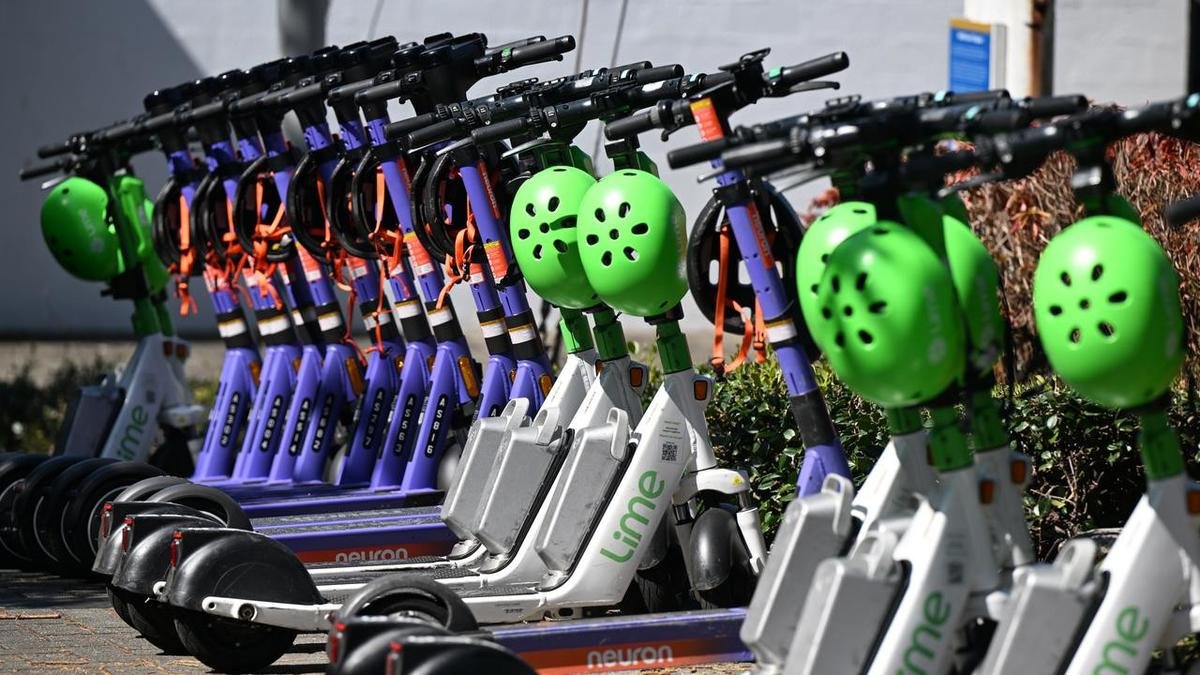
After analysing data from 3454 trips on Lime and Neuron e-scooters, and 1467 in-person surveys, they found parking spaces made the biggest difference to commuters.
Adding four parking areas to the station boosted e-mobility use by 52 per cent, the report found, while cheap fares only delivered an additional 16 per cent increase.
Clearly marked areas improved awareness and access to e-scooters and e-bikes, Brisbane City Council policy and strategy principal engineer Brendan O’Keeffe said, and would be rolled out to more places in future.
“The top three things are convenience, convenience and convenience, and convenience even overrides price,” he said.
“We’re now rolling out physical hubs, which makes the parking areas a lot more legible. We expect by the end of this calendar year, nearly 600 of those being rolled out in the inner city.”
The research also found most e-mobility trips were short, with half of all trips between 1km and 4km, and lasting 10 to 11 minutes.
But not all commuters were willing to complete their commute on an e-scooter, with more than half saying they were extremely unwilling to ride an e-mobility device.
Commuters who had used an e-scooter or e-bike before were the most likely to do so again, while those who drove cars to train stations were the least likely.
Further efforts to ensure e-scooters and bikes were readily available and safe could boost their adoption, UQ Micromobility Research Centre research lead Dr Richard Buning said, though it would take time.
“We learned a lot from this and doing real trials with real people, trying to convince people to change their habits that are really baked in,” he said.
“It certainly has a place to help people out and help people to use public transport but it doesn’t just happen overnight.”