

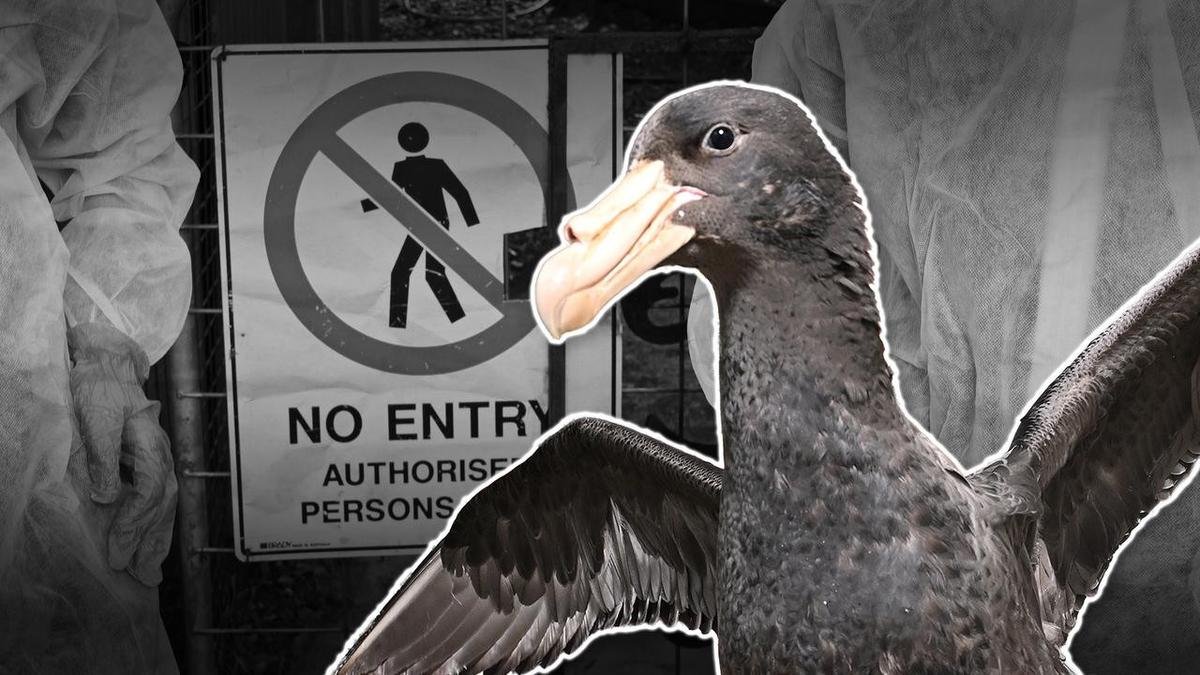
Source : Perth Now news
A number of mass deaths in two states have been described as a deeply concerning shift in Australia’s bird flu outbreak.
More than 1000 crested terns have been found dead on remote islands off South Australia, Premier Peter Malinauskas confirmed on Thursday.
Almost 30 dead penguins have also been discovered on King Island off Tasmania, a week after confirmation of the state’s first bird flu case.
A suspected H5 case involving a little penguin from Kangaroo Island is also being investigated by the SA government.
“The loss of more than 1000 birds is deeply concerning and the state government is treating these events with the utmost seriousness,” Mr Malinauskas said on Thursday.
“Of particular concern, we are also investigating a suspected case involving a little penguin from Kangaroo Island.
“The bird deaths were detected on Wednesday on offshore sites including North and South Page Islands off Kangaroo Island.
SA has 177 confirmed bird flu cases, the most of any state.Mr Malinauskas said no mass mortality had been reported in mammals and bird flu had not been detected in poultry or livestock.
Specialist teams have been sent to King Island after 28 penguins and three crested terns were discovered at the Port of Grassy.
The animals were being tested for H5 bird flu, Tasmanian Premier Jeremy Rockliff posted on social media.
“While that testing happens, further teams are being surged to the area,” he said.
Tasmania has 11 confirmed bird flu cases since the virus was first found in the state on August 13 at Rocky Cape, on the northwest coast.
Mr Rockliff said the arrival of the teams would greatly increase the surveillance and collection capacity.
“The risk to Tasmanians remains very low. And there remains zero detection in Tasmanian poultry,” he said.
The Invasive Species Council said the mass death indicated bird flu devastation was “becoming very real”.
“This is a sad day for Australian wildlife, but it is only the start of the scale of deaths we can expect in the months ahead as the virus spreads,” council chief executive Jack Gough said in a statement.
“This is why we have been calling for urgent investment to protect our wildlife from other threats like foxes, cats and habitat destruction.”


