Source : the age
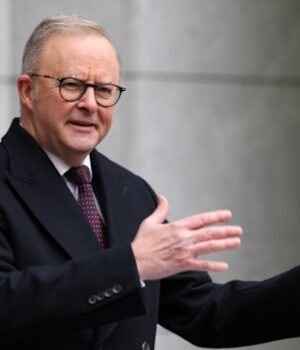
Whatever mistakes Prime Minister Anthony Albanese is guilty of, neglecting the Pacific is not one of them. The PM has travelled widely throughout the region and landed significant security agreements with Tuvalu, Nauru, Papua New Guinea, Vanuatu and Fiji.
Even as he copped domestic criticism for his overseas travel, Albanese has shown the region respect by attending every Pacific Islands Forum leaders meeting – something few of his predecessors can boast.
Albanese is again attending the Pacific Islands Forum, held this week in the spectacular Micronesian nation of Palau, one of the smallest and least populated countries in the world. However, in a major blow to the host nation, at least six leaders from the group’s 18 nations are set to skip the event. With a third of the region’s leaders absent, the legitimacy of its policy decisions and declarations could be called into question.
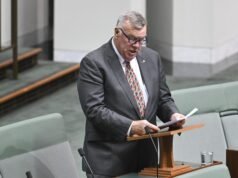
Most significantly, the outgoing chairman, Solomon Islands Prime Minister Matthew Wale, was forced to suddenly jet back to Honiara over the weekend after being handed a no-confidence motion by one of his cabinet ministers. Since coming to power in May, Wale has proposed a sweeping regional security pact that would undermine China’s efforts to exert influence in the Pacific, and he and Albanese are also racing to strike a comprehensive new treaty by the end of the year.
The leaders of Kiribati, Fiji, Vanuatu and Samoa are also skipping the forum. While they have various reasons for not attending, there are widespread suspicions that Beijing has been working hard to undermine the event. New Zealand Foreign Minister Winston Peters said on Monday it would “defy gravity and logic” not to think foreign interference was playing a role in the troubles.
As well as having a close and longstanding relationship with the United States, Palau is one of the few nations left in the world that officially recognises Taiwan rather than China. After being blocked from attending last year’s meeting in the Solomon Islands as a development partner, Taiwan has sent its foreign minister to Palau, a move that has rankled Beijing.
In the lead-up to the summit, China’s Ministry of Culture and Tourism issued a warning to potential visitors to be wary of travelling to the tourism-dependent nation because of robberies. The US embassy in Palau has responded by accusing Beijing of attempting to weaponise tourism and called for it to “cease all its coercive activities against Palau”.
Palau’s President Surangel Whipps Jr has also been one of the most vocal critics of China’s July ballistic missile test, saying it had caused “concern and unnecessary anxiety” in the region.
In an interview with this masthead in the lead-up to the event, Whipps said he was hoping to achieve a “united front” against such tests that called out China’s lack of notice to the region. But a couple of nations with close ties to Beijing – Nauru and Kiribati – have resisted signing onto a forceful joint statement condemning the test. In a pointed move, Kiribati’s President Taneti Maamau is not only skipping the Pacific Islands Forum, but sending the country’s most recent ambassador to China to attend.
Albanese lands into this swirl of geopolitical turmoil on Monday evening, determined to achieve progress despite the challenges. With many low-lying Pacific nations facing an existential threat from rising sea levels, climate change will be top of mind for many leaders at the event.
The Pacific is also facing a huge rise in illegal drug trafficking by international criminal syndicates, much of it bound for Australia. Australian Federal Police Commissioner Krissy Barrett revealed in May that 17 tonnes of illicit drugs, mostly cocaine, had been seized by authorities in the Pacific since January, up from less than 5 tonnes in all of 2025. Barrett warned that “greedy and ruthless narco-gangs are trying to make more money by identifying new ways to traffic illicit drugs”, including by sending semi-submersible vehicles (widely known as narco-submarines) to cross the Pacific.
“The magnitude and endless maritime trafficking of illicit drugs to, and through the Pacific, has become a serious national security threat for the Pacific and Australia,” she said.
Pacific leaders have been working on striking a regional anti-smuggling initiative that could help combat the flow of drugs, including increased intelligence sharing and maritime patrols.
Landing an agreement on such a pact this week would be a win for Albanese and demonstrate the ongoing value of the forum, even as dreams of Pacific unity crash into the reality of the grand battle between global superpowers.
Cut through the noise of federal politics with news, views and expert analysis. Subscribers can sign up to our weekly Inside Politics newsletter.
 Matthew Knott is the foreign affairs and national security correspondent for The Sydney Morning Herald and The Age.Connect via X, Facebook or email.