Source : Perth Now news
The first week of spring is delivering warm weather to most of the country in a well-scheduled change of conditions.
While the East Coast is quickly heating up, Western Australia is being served with a cold front at the start of the week with temperate winds cooling the air for now.
The quick transition from a wet winter to warm and dry conditions creates the ideal environment for an impending severe hay fever season.
Approximately 25 per cent of Australians suffer from allergic rhinitis and have environmental triggers that include pollen and grass.
Excessive winter rainfall supports an abundant growth in pollen producing plants, and the sudden arrival of spring heat creates excessive blooming.
Dry winds act as the carrier for pollen and allergy-inducing spores, rapidly spreading the particles.
2026 is an El Niño year, which typically causes dry winters due to warm Pacific waters releasing hotter, drier air into the atmosphere.
This year defied the odds with the Bureau of Meteorology recording the wettest El Niño winter in Australian history.
However, spring has taken back control of the El Niño weather pattern by quickly transitioning to sunny and dry conditions.
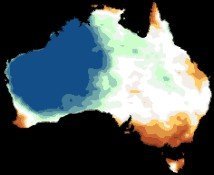
Queensland, New South Wales, Victoria and Tasmania are set to see the worst of the allergy season, and BOM predicts these areas could face temperatures up to 3C higher than average.
This perfect storm of weather conditions will contribute to the phenomenon of thunderstorm asthma, where inhaled grass pollen can cause sudden and fatal asthmatic reactions.
Melbourne is the allergy and thunderstorm asthma capital of the world — the last severe hay fever season of 2016 resulted in nine deaths directly related to hay fever induced respiratory distress.
The Royal Australian College of General Practitioners President Dr Michael Wright has called for vigilance from those who are prone to flare-ups during the hay fever season.
“Taking steps early to manage allergies and ensuring asthma is well controlled can help people stay well through spring and summer,” Dr Wright says.
“An appropriate management plan can be discussed with a GP, including preventive treatments where appropriate, rather than waiting for symptoms to escalate.”
WA and the Northern Territory could be saved from the worst of the allergies this year, and the Western half of the country is set to continue the trend of this week by welcoming a wetter and milder spring than the rest of the country.