source : the age
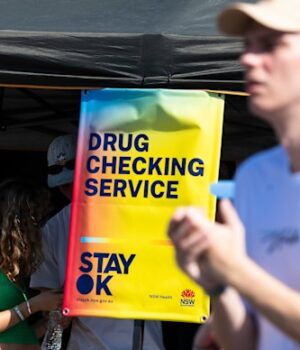
The divisive pill testing regime is set to stay in NSW under a $4.3 million program to roll out drug checks at 15 music festivals annually, after a landmark trial concluded it led to a major reduction in harm for young people.
The government has committed to drug-checking services for the next four years, and the program will be delivered by NSW Health, the NUAA (formerly the NSW Users and AIDS Association) and the music festival industry from October.
The decision comes two years after Premier Chris Minns first announced the trial following the 2024 drug summit, and has been welcomed by advocate Jennie Ross-King, whose 19-year-old daughter Alex died of an MDMA overdose at a Sydney music festival in 2019.
Alex’s inquest heard she took almost three MDMA capsules at once before entering the festival because she was scared of being caught by police. Had it been available, Ross-King “firmly believed” her daughter would have used a drug-checking service to check their potency.
The free and anonymous trial, which ran from March 2025 to February 2026, allowed festival-goers to bring a small sample of substances they intended to consume to qualified health staff for testing.
Up to 15 music festivals will be selected to participate in the program annually, chosen based on their potential for drug harm. Events offering EDM or hardstyle music, festivals with a younger target demographic, larger events, multi-day festivals in regional areas, and events held in hot weather were flagged by the trial’s University of Sydney evaluation as the most likely to benefit from drug checking.
The program was found to have reduced drug-related hospitalisations from 3.6 events per festival day in historical controls to 2.3 events per day during the trial. There was also a trend towards fewer ambulance transfers, while one-third of trial festivals were not associated with any drug-related hospital presentations at all.
Ross-King, who received the call from her daughter’s friends in the medical tent at the festival, has advocated for pill testing reform since her daughter’s death.
“It was very much: What do I do now? What’s my purpose? I didn’t protect her. I can’t protect her now. I have to protect someone else’s kids [and stop] this happening.”
More than 85 per cent of the 1846 people who accessed the service during the trial were aged under 30.
Of the 1475 samples analysed, 8 per cent contained an unexpected substance. Four per cent of MDMA capsules tested were a high dose, and 4 per cent of samples overall were discarded in on-site amnesty bins.
Health Minister Ryan Park said illicit drugs remained illegal in NSW, and drug-checking services were “not a silver bullet”.
“There will always be risks involved when consuming these substances, and this initiative does not support drug use,” he said in a statement. “Drug checking at music festivals can reduce harms associated with drug use, and it ultimately saves lives.”
The trial cost taxpayers about $65,500 per festival, or $52,400 per festival day.
Advocates have previously raised concerns about the sustainability of a state-led model, and said drug-checking programs run by non-government organisations with a substantial volunteer base could deliver cos savings and provide testing to a larger number of festivals.
The trial’s evaluation noted that integration with public early warning systems had a major impact, with eight out of 10 NSW Health drug warnings during the trial period informed by data from drug checking.
In a survey of users who had engaged with the service, close to 97 per cent of respondents said they felt moderately or very confident in their capacity to reduce harms associated with using drugs. Close to three-quarters of participants (69 per cent) said it was their first time speaking to a healthcare or peer worker about harm reduction.
Almost 22 per cent of participants were provided with free take-home naloxone and instructions on how to use the opioid reversal drug.
NSW Premier Chris Minns has previously expressed reluctance to adopt pill testing, while the opposition claimed the service would “offer a false sense of security”.
“Even a supposedly ‘pure’ substance can cause harm,” former opposition leader Mark Speakman said when the 12-month trial was announced in 2024.
Ross-King expressed frustration at this mentality, and said she would like to see more parents and politicians alike adopting a harm-reduction approach.
“I don’t advocate for the taking of drugs. I lost my only child to drugs,” she said. “But the reality is that young people take risks … they don’t deserve to die because of it.”
Start the day with a summary of the day’s most important and interesting stories, analysis and insights. Sign up for our Morning Edition newsletter.