Source : Perth Now news
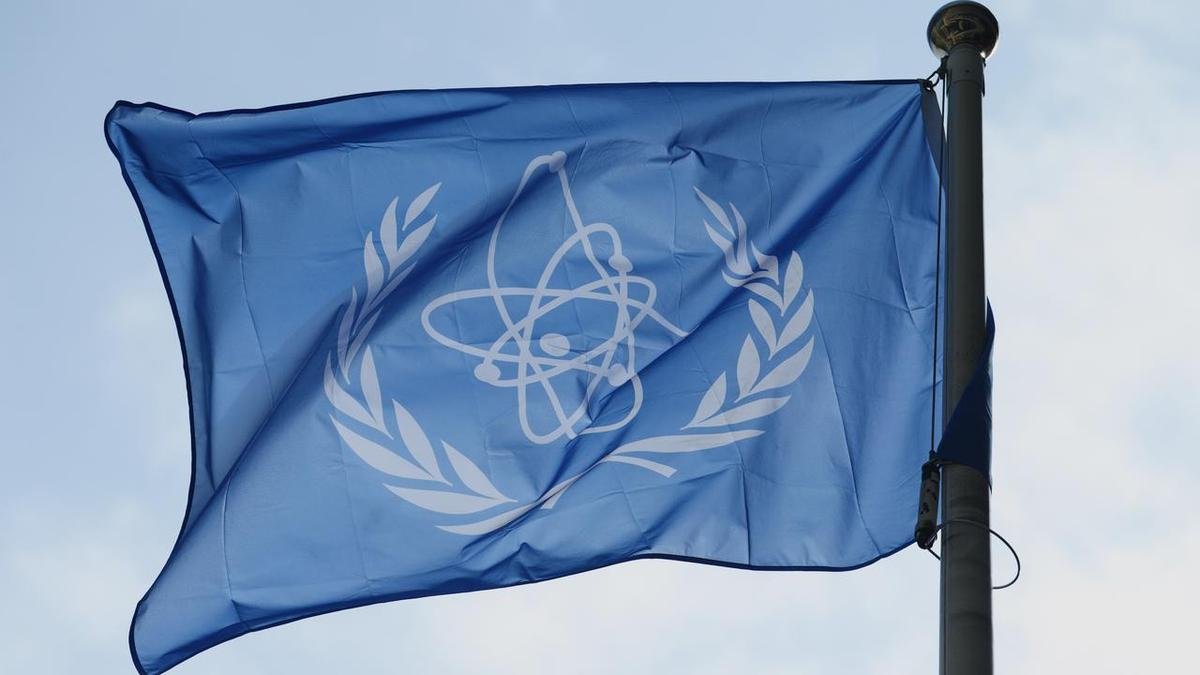
The United States has blocked Iran’s nuclear chief from attending a United Nations atomic watchdog meeting in Vienna by opposing an exemption from so-called “snapback” UN sanctions, prompting protests from Iran.
Iranian nuclear chief Mohammad Eslami had been due to attend and address this week’s International Atomic Energy Agency general conference, an annual meeting of IAEA member states that began on Monday.
At the opening, however, Iran said Austria had revoked Eslami’s visa after originally granting him one.
“The cancellation and so-called legal justification advanced for it are a stark indication of a political act and advanced formal politicisation of this organisation,” Iran’s ambassador to the IAEA told the conference.
Iran’s foreign ministry spokesman Esmaeil Baghaei said the United States had pressured Austria into the move while Iran and Russia said it formed part of a broader effort to prevent Iranian officials from obtaining visas for international travel.
The United States said it had objected to an exemption that would have allowed Eslami to travel despite sanctions reimposed under the so-called “snapback” mechanism at the UN Security Council.
Eslami was among those targeted by sanctions lifted under a 2015 nuclear deal between Iran and major powers and the United States.
The deal unravelled after President Donald Trump pulled the US out of it in 2018, and other countries triggered the “snapback” mechanism last year to re-impose those sanctions.
Iran and allies including Russia do not recognise the reimposed sanctions.
Austria said it had requested an exemption for Eslami.
“Austria, although being only the host state, submitted a request for an exemption to the travel ban to the Security Council sanctions committee, which was rejected,” Austrian ambassador to the UN Christian Ebner told the conference.
“As a consequence, Austria was obliged to deny one member of the Iranian delegation the entry into its territory,” he said.
US ambassador Preston Wells Griffith said his country had objected in New York to an exemption being granted, and that was why the application was denied.
“The United States objected to the exemption request, which per the rules of the UN sanctions committee resulted in the UN Security Council denying the request,” he said.
“His (Eslami’s) participation would have only resulted in Iran exploiting IAEA proceedings as a stage for propaganda while sidestepping substantive co-operation, undermining the credibility of the very body charged with verifying its nuclear commitments,” he said, referring to a stand-off over inspections.
Since Israel and the US struck Iran’s nuclear sites during the 12-day war in June 2025, Iran has not given IAEA inspectors access to the affected sites -even though Iran is legally obliged to co-operate with the watchdog under the Nuclear Nonproliferation Treaty.
The IAEA has also been unable to verify the status of a stockpile of near weapons-grade uranium since the June bombing.
According to the IAEA, Iran maintains a stockpile of 440.9 kilograms of uranium enriched up to 60 per cent – a short technical step away from weapons-grade levels of 90 per cent.
with AP