Source : Perth Now news
The size and location of the giant kelp forests that once populated swathes of the Victorian coastline largely live on through word of mouth alone.
Marine biologist Chris Gillies is spearheading efforts to map where the towering submarine plants once lined the Bass Coast and Phillip Island.
It is the first step in a community-led restoration project he hopes will reverse a decades-long decline, with local giant kelp populations now on the brink of extinction.
With a lack of formal records to draw on, Dr Gillies is relying on accounts from traditional owners and long-term residents, racing to capture memories before they are lost for good.
“Everyone suffers from what they call generational amnesia,” the Offshore Biotechnologies chief executive told AAP.
“You don’t know what your grandfather saw.”
It is in those spots, combined with scientific research and underwater surveys, where he will strive to replant the forests after extracting seeds from surviving specimens.
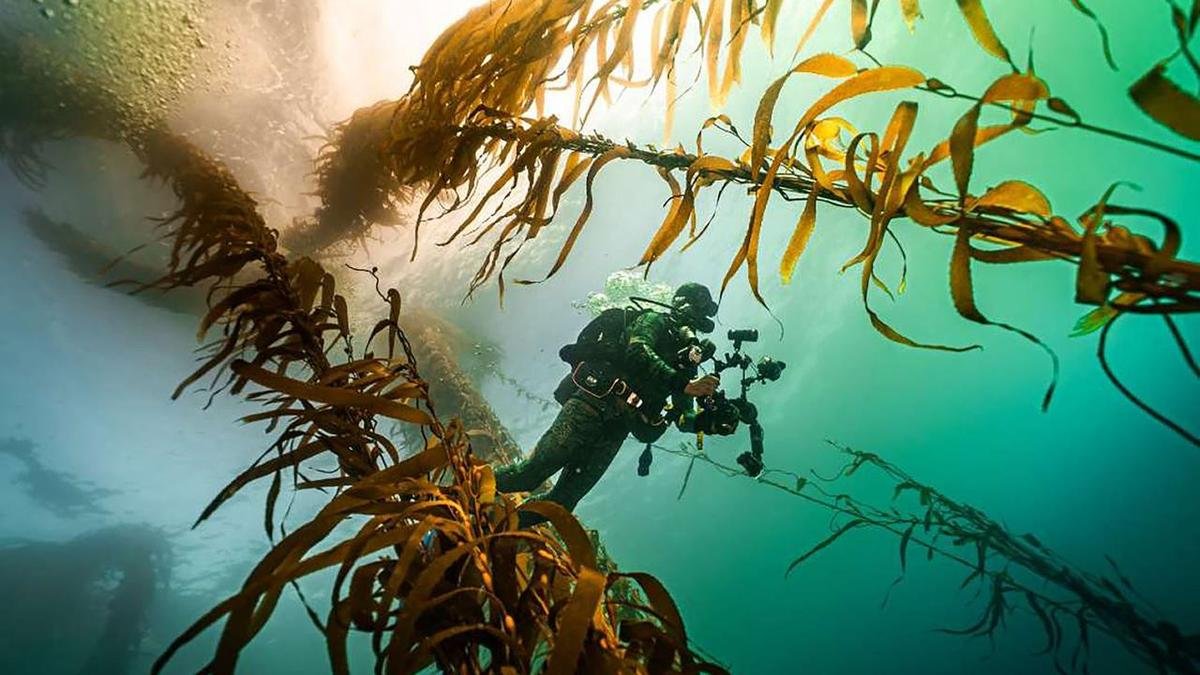
Giant kelp forests, which can grow up to 30 metres to form dense underwater canopies, were once common along Australia’s south coast.
They are now considered nationally threatened, driven largely by climate change-related marine heatwaves, faster-moving ocean currents and invasive species.
Dr Gillies likened the looming El Nino season, expected to be among the worst in recorded history, to a “bushfire running through the ocean”.
“We may lose a large proportion, about 75 to 80 per cent, of those remaining plants,” he said of Victoria’s giant kelp forests.
His firm is leading the community-led Island Kelp Recovery project, along with Rotary Phillip Island and San Remo.
It aims to collect and bank seed from surviving plants before the marine heatwave heats, so replanting can begin once conditions ease.
“With immediate action, we know we can preserve the genetic structure of the remaining giant kelp and use this to re-seed kelp forests,” Dr Gillies said.
It matters not only for the forests, but also the diverse forms of marine life, from penguins and seals to rock lobsters, that rely on them for habitat.
“Giant kelp do the same thing as what a forest does on land,” Dr Gillies said.
“It’s like no other marine ecosystem on earth.”