Source : Perth Now news
Labour costs and a skills shortage are among the key pressure points for regional businesses as confidence in the economy drops, a report says.
The South Australian Business Chamber 2026 Regional Voice report released Tuesday shows regional business operators are being squeezed by cost pressures relating to wages, energy, insurance and regulation on one end, and by workforce constraints on the other.
The biannual report comes from a 2025/26 survey of regional businesses across the state’s southeast right through the Mid North areas of Whyalla and the far west Eyre Peninsula.
Labour costs remained the top issue for regional businesses employing between one and 199 workers and was one of the top issues for 70 per cent of businesses across the state.
In the Eyre Peninsula, a region with a rental vacancy rate at 0.63 per cent in its more populated areas, one business linked a lack of housing to their access to skilled workers.
Skills and labour availability came in second at 56.5 per cent followed by energy costs and regulatory compliance.
Chamber chief executive Andrew Kay said the report revealed a declining outlook in almost all areas.
“It’s clear that beyond the message around labour, that generally all the indices on the report are down on the previous two years, if not, stagnant,” he said.
“They’re telling us effectively that to get workers to take on roles within the regional businesses, they need to pay them above what they would generally pay for the same role in greater Adelaide.”
Skilled migration remained a major workforce option with more than a third of respondents currently or previously employing a skilled migrant, with 28.9 per cent of businesses open to doing so in the future.
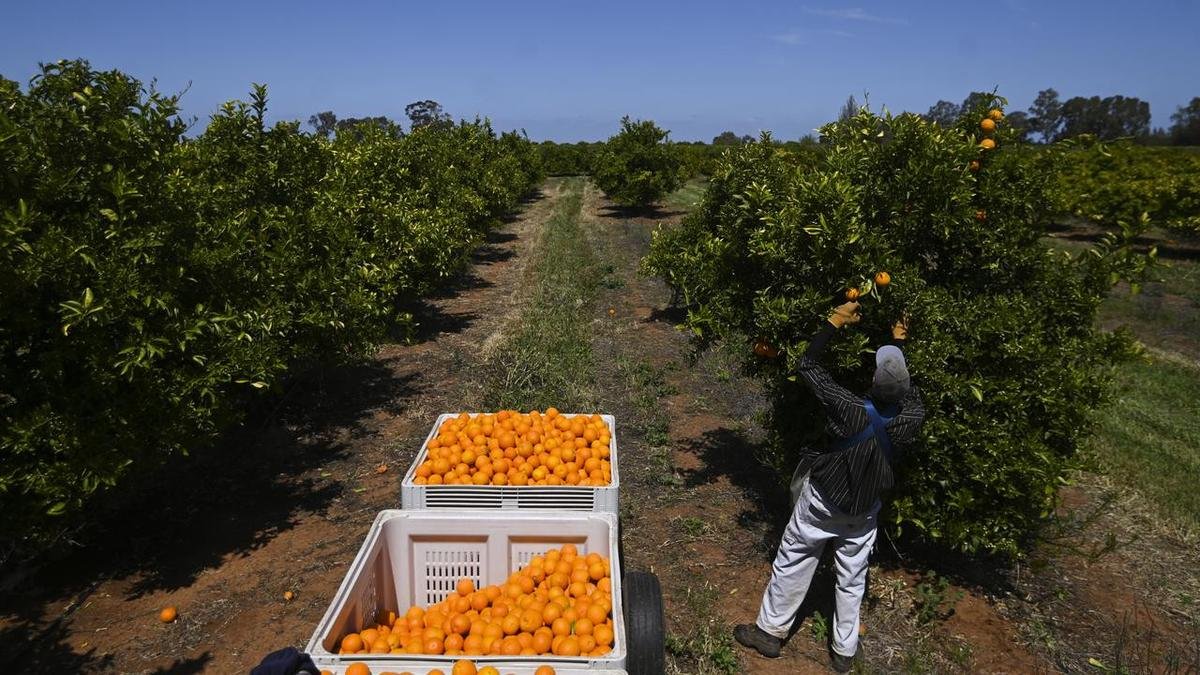
Recent cuts to Australia’s net overseas migration intake have mounted more pressure on regional industries, in particular farmers who rely on seasonal work and part-time roles during harvest.
As part of the federal government’s changes, the number of working holiday makers looking to extend their stay for a second year will be capped at 45,000, down from 57,000 this year.
The coalition on Tuesday announced a plan to cut migration to 160,000 per year for at least four years, echoing parts of One Nation’s proposal by cutting the stock of temporary visa holders.
Mr Kay said the debate had resulted in a hit to the workforce supply for regional businesses.
“There’s no question that trying to strike the lowest migration number in political discourse doesn’t serve our regions well,” he said.