Source : PERTHNOW NEWS
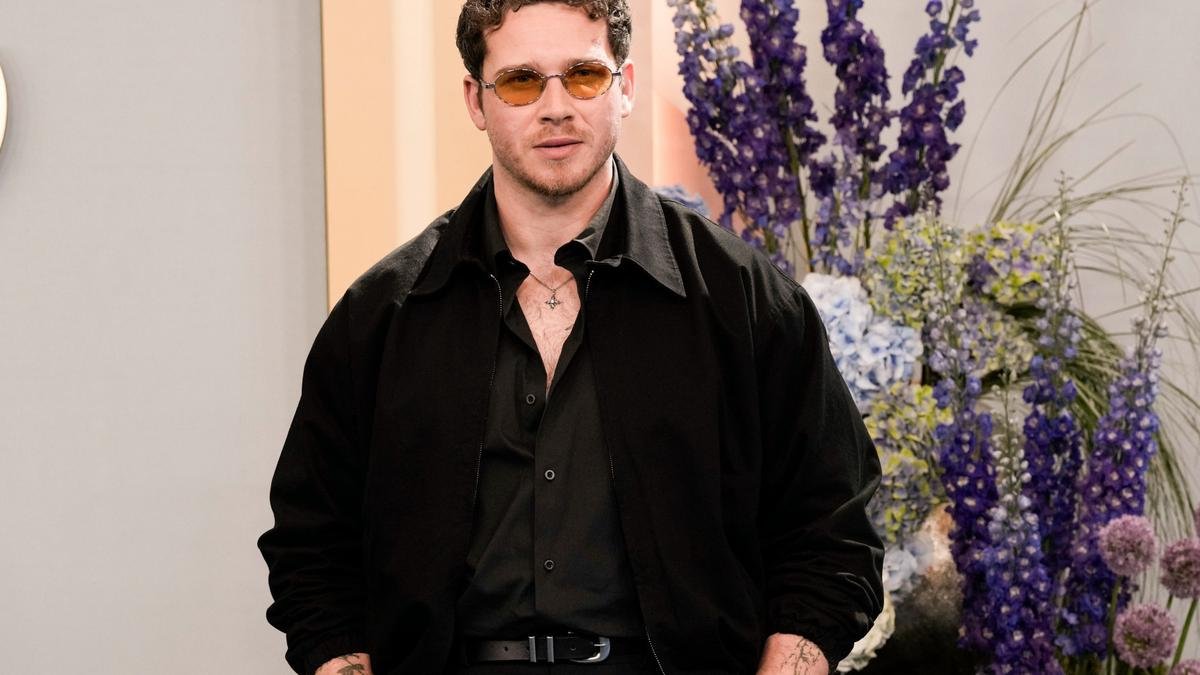
Oliver Stark and three others have been injured on the set of 9-1-1.
The 35-year-old actor broke his ankle while performing a stunt on the ABC show – in which he plays Evan “Buck” Buckley – at the end of August and required surgery, but has since returned to work, while other performers have also suffered stunt-related injuries in unrelated incidents, putting the programme’s safety protocols under scrutiny.
Sources told Deadline the stunt that led to Oliver’s injury involved a firefighter swinging from a car over a set piece to the ladder truck, and during rehearsals, a stunt double suffered a sprained ankle but no injury report was submitted because they declined medical treatment.
The typical process on the 9-1-1 set involves first practising with heavyweight bags so co-ordinators and other crew members can understand the right weight distribution. It is then rehearsed with doubles to work out any issues before the actors come in for their own rehearsal.
After Oliver’s stunt double was injured, the mechanics of the stunt were adjusted, but the actor still rolled his ankle over another performer in the scene.
Further injuries occurred in the following weeks.
In one incident, a stunt person went to hospital and required stitches after injuring their arm on a piece of the set which had jagged metal on it.
And within the last two weeks, sources told the outlet another stunt performer went to hospital as a “precautionary” measure following an “awkward landing” on a platform designed to simulate a ground collapse, which resulted in a broken rib and minor compressed lung. It is unclear if they have returned to work yet.
All signatories of SAG-AFTRA, including Disney, the parent company of 20th Television, who make 9-1-1, are required to follow certain safety protocols, and stunt performers and co-ordinators are required to complete a general safety and injury prevention programme to be able to work on union productions.
An industry-wide safety committee from Contract Services set the standards and practices for set safety, with general guidelines that ensure they “allow enough time for rehearsals, training, equipment preparations, and inspections.”
Typically, a stunt co-ordinator leads all preparations, including script review, planning, site selection, preparation, testing, rehearsal, modification, and recommendation of the qualified personnel and equipment to be used to perform the stunt.
A first assistant director takes responsibility for on-set safety meetings prior to any stunt work so all those involved can see how it would work and discuss protocol in detail. Any “substantive changes” to the stunt require another such meeting.
Two years ago, a crew member died from a cardiac event while driving home after a 14-hour workday, which had been so lengthy because of complications with a stunt. But at the time, a production source insisted 9-1-1’s set was “one of the safest that I’ve ever worked on.”
A spokesperson for 20th Television declined to comment.