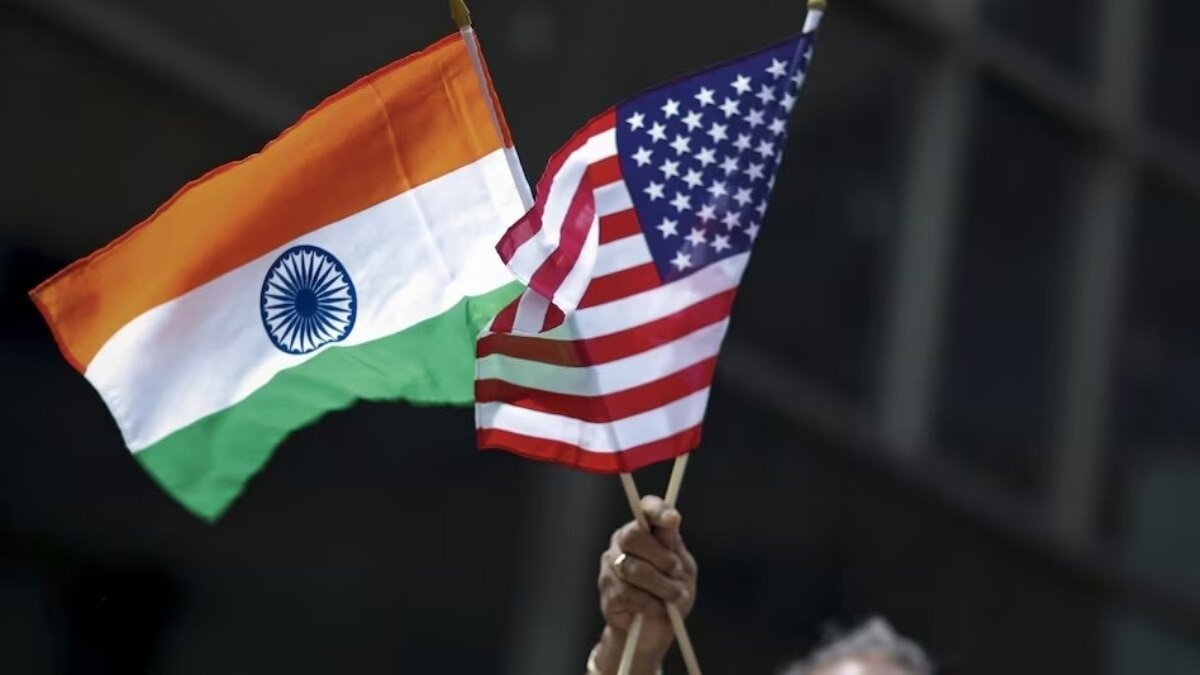
Source : INDIA TODAY NEWS
For months, senior officials in India and the United States have said a trade deal is close. On Tuesday, US Secretary of State Marco Rubio repeated that message in Mumbai, saying the two sides were “about as close as you can be without having an executed agreement.”
So what is holding up the announcement?
Differences over market access remain. But Washington’s shifting tariff policy raises another question: how reliable will the terms negotiated today be tomorrow?
advertisement
THE QUESTION IS TARIFF CERTAINTY
Under President Donald Trump, the United States has justified tariffs on grounds ranging from national security and fentanyl trafficking to economic emergencies and allegedly unfair trade practices.
Tariffs themselves are not unusual. Countries use them to protect domestic industries and seek concessions from trading partners. The difficulty arises when the legal basis, scope and duration of those duties keep changing.
A tariff imposed under one law may be challenged in court, while another provision allows Washington to introduce a different duty. For businesses and negotiating partners, that makes future trading conditions harder to predict.
A long-term agreement requires confidence that negotiated benefits will last.
DIFFERENT LAWS, DIFFERENT LIMITS
Under the US Constitution, Congress has the power to impose tariffs and regulate foreign trade. It has delegated specific powers to the president through laws designed for different circumstances.
The Trump administration has drawn on several of these authorities:
- International Emergency Economic Powers Act, 1977: Used for the sweeping “Liberation Day” reciprocal tariffs and certain fentanyl-related duties. On February 20, 2026, the Supreme Court ruled that the law did not authorise presidential tariffs.
- Section 232 of the Trade Expansion Act, 1962: Used to impose tariffs on products such as steel, aluminium and automobiles on national-security grounds.
- Section 301 of the Trade Act, 1974: Provides authority to act against specified unfair foreign trade practices, subject to an investigation and statutory procedures.
- Section 122 of the Trade Act, 1974: Invoked after the Supreme Court ruling to impose a temporary, broad import surcharge to address balance-of-payments problems. Such measures cannot continue beyond 150 days without congressional action.
These powers are not interchangeable. Each has its own conditions, procedures and limits. Moving from one authority to another does not remove those requirements or shield a tariff from legal challenge.
The issue is therefore not an absence of American tariff laws. It is how the administration uses overlapping powers, and how much certainty a negotiated agreement can provide against future duties.
WHAT THIS MEANS FOR INDIA
A trade deal could lower tariffs on agreed goods. But depending on its terms and applicable US law, separate national-security or unfair-trade duties could still affect those products.
For Indian exporters, the question is whether the agreement would deliver lasting market access. For businesses considering new factories, supply chains or export contracts, that certainty affects investment decisions.
This creates an additional negotiating challenge: securing a favourable tariff today may not be enough if other duties can alter the commercial terms later.
That does not establish tariff uncertainty as the reason the announcement has been delayed. Without confirmation from negotiators, it is better understood as a risk to the durability of a deal.
TARIFFS ARE NOT THE ONLY HURDLE
India and the US also have longstanding differences over agricultural and dairy market access, industrial tariffs, digital trade, intellectual property and regulatory standards.
Washington wants greater access for American businesses. New Delhi must weigh those demands against domestic producers’ interests and its own policy priorities.
Those disagreements would exist under a different US administration too. They require compromises over what each side opens, what it protects and how quickly changes take effect.
The tariff dispute adds another layer: whether concessions made by either side will produce predictable benefits.
WHAT WOULD MAKE A DEAL LAST?
India wants reliable access to the American market. The US wants fewer barriers to sell goods and services in India.
An agreement must bridge those demands while setting clear rules on tariff treatment, exceptions and disputes.
The challenge is therefore bigger than announcing a deal. It is ensuring that businesses can rely on it after the announcement.
– Ends
SOURCE :- TIMES OF INDIA