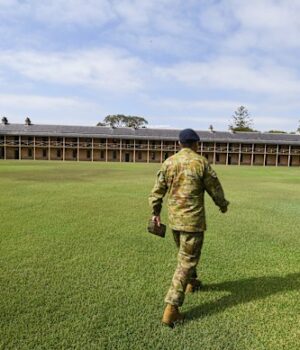
source : the age
I’m an Australian Army veteran, a clinical psychologist and a Sydneysider. Over the past few months I’ve heard the same thing, on repeat, from veterans I know through my networks. They are angry about the sale of Victoria Barracks. But underneath the anger, a lot of them are grieving.
What I keep hearing is a sense of being abandoned. Many people feel nobody asked them, nobody is listening, and there’s nothing they can do to change it. For a group that has already spent decades trying to get the system to hear them, that powerlessness lands hard.
The government’s case is about money. The defence minister says keeping Victoria Barracks as a defence site would cost about $200 million over the next decade, and the wider sale of 67 properties is expected to raise billions. Meanwhile, about 500 people there are packing boxes to be out by Christmas. I’d ask the government to look at its own spending and count the full cost of this decision, not just the dollars.
The cost I’m most qualified to talk about is the human one. When you join the military, it becomes far more than an employer. It shapes who you are, who your people are and what you’d be willing to give. Places like Victoria Barracks are where that identity is built. Generations of soldiers trained and worked there and left from there for wars, and some of them never came home. Attachment to place is real, and losing a place bound up with who you are can be grieved much like losing a person. Psychologists call this disenfranchised grief: a loss others don’t see as worth mourning, so people carry it alone.
There’s a second wound. The research on institutional betrayal shows that harm from an organisation you trusted and depended on can cut deeper than harm from strangers because it attacks the trust itself. Many veterans already carry moral injury, the damage done when something about their service violated their sense of what’s right. A government decision like this lands on top of that.
Then there’s the powerlessness. Having no say over things that matter deeply to you can be one of the most corrosive experiences for mental health. For veterans who already believe the system wasn’t built to hear them, a decision announced rather than discussed can confirm the worst story they tell themselves: that ultimately they are just a number, and not the type of number that counts.
None of this is new to government. In 2024, the Royal Commission into Defence and Veteran Suicide handed down its final report. One of the clearest threads running through it was how much veterans’ wellbeing depends on whether they feel valued by the institution they served. Two years later, the government is selling a place that has anchored army life in Sydney since before Federation. Whatever the intention, the message many veterans are hearing is that their legacy had a price, and the government decided the price was right.
And it isn’t only veterans who are listening. Young Australians weighing up a defence career are watching how this country treats those who served before them. Pride and belonging are a big part of why people sign up and why they stay, and you can’t buy those back with sale proceeds.
I’m far from alone in this, and it isn’t a partisan fight. RSL NSW, heritage groups, John Howard and NSW Premier Chris Minns have all spoken against the sale. I served as an Army officer in Afghanistan and the Solomon Islands, and I’m not against modernising the defence estate. I am against a decision that saves money on paper and ignores what it costs people.
So my ask is simple. Count the costs beyond dollars. Talk properly with the veteran community before this goes any further. And keep Victoria Barracks in public hands because, once it’s sold, there’s no getting it back. Before it goes, the government owes veterans, and every taxpayer, an honest account of what this sale will really cost.
Major Nadia Teong (Retd) is a clinical psychologist and founder of Veterans Psychology.
 Nadia Teong is a clinical psychologist and defence force veteran