Source : Perth Now news
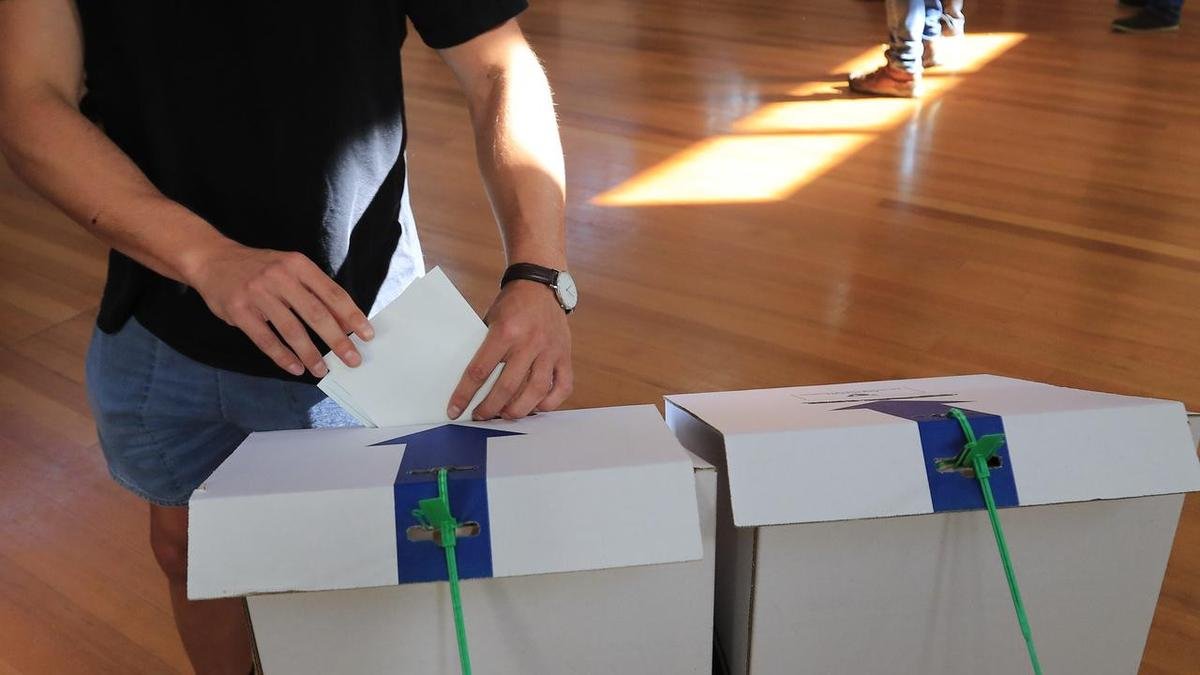
The Victorian state election period will soon be officially underway, with less than a month until votes are cast.
As racegoers frock up for the Melbourne Cup on Tuesday, official writs will be delivered by the state governor to the electoral commissioner, formally directing an election be held.
Victoria’s Governor Margaret Gardner will sign writs dissolving the 60th Parliament of Victoria on Tuesday morning, which will also formally set the date for the election for November 28.
The writs also stipulate a time from which the electoral roll will be closed and no new enrolments accepted.
Victorians still have until 8pm on Tuesday to make sure they’re enrolled.
Once the writs are signed and issued, candidates can officially nominate for election and have until midday on November 9 to do so.
From 6pm on Tuesday, the government will enter what is known as “caretaker mode”, during which it will avoid implementing significant policy actions while continuing with the administrative running of the state.
After the results of the election are declared the writs will be returned to the governor of Victoria with the names of the elected candidates in both houses of parliament.
Campaigning has already been underway for weeks, in what has been labelled one of the most consequential elections in recent history.
One Nation is polling nearly as strong as Labor in the primary vote, according to some polls, enjoying heightened popularity and a chance of claiming multiple seats.
A Roy Morgan poll published on Friday showed One Nation polling at 22 per cent, behind Labor’s 22.5 per cent.
According to the Roy Morgan poll, the Coalition held a commanding grip with 29.5 per cent of the primary vote and the best chance of forming a majority government.
The election will be a major test for Labor, which is seeking a fourth consecutive term after 12 years in government and with baggage dating from well before COVID-19 battered the state.
The Greens, which have largely failed to capitalise on disillusioned Labor voters, were polling 1.5 per cent lower at 12.5 per cent of the primary vote.
Cost of living, crime, state debt, healthcare, housing and confidence in government are all expected to hold sway with voters.