Source : Perth Now news
Disadvantaged youth should be encouraged to down guns and pick up combat sports, “uncool” parliamentarians have been told.
A NSW committee is investigating emerging trends in combat sports as ‘run-it-straight’, slapping and other collision sports gain traction.
Organisers for more traditionally-aligned combat sports, however, asked they receive regulatory assistance, not discouragement in any future legislation.
Petru Taremwa, behind a self-described not-for-profit fighting organisation, Get That Guap, said his intent was simple.
“Hands up, knives down, guns down, gloves up,” he told the inquiry.
“I’m not saying boxing alone will end youth crime, but if we can help one young person choose a gym over a knife, that’s a life that could take a different direction.”
Labor MP Sarah Kaine opened her questioning on the meaning of “get that guap”.
“(Guap) I don’t know what that means … sorry to be very probably uncool,” she said.
Nationals MP Wes Fang admitted he googled it.
Mr Taremwa explained it meant “get that money” from the organisation’s initial intent to pay fighters, since scrapped, given regulatory constraints.
His organisation had several such shifts but could not obtain an organisers’ licence, he explained.
GTG Events also relied on volunteer medics, he said. They typically worked below GTG’s resident nurse, who was also the DJ.
He argued for a workable regulatory pathway for fringe combat organisations, allowing for safety improvements.
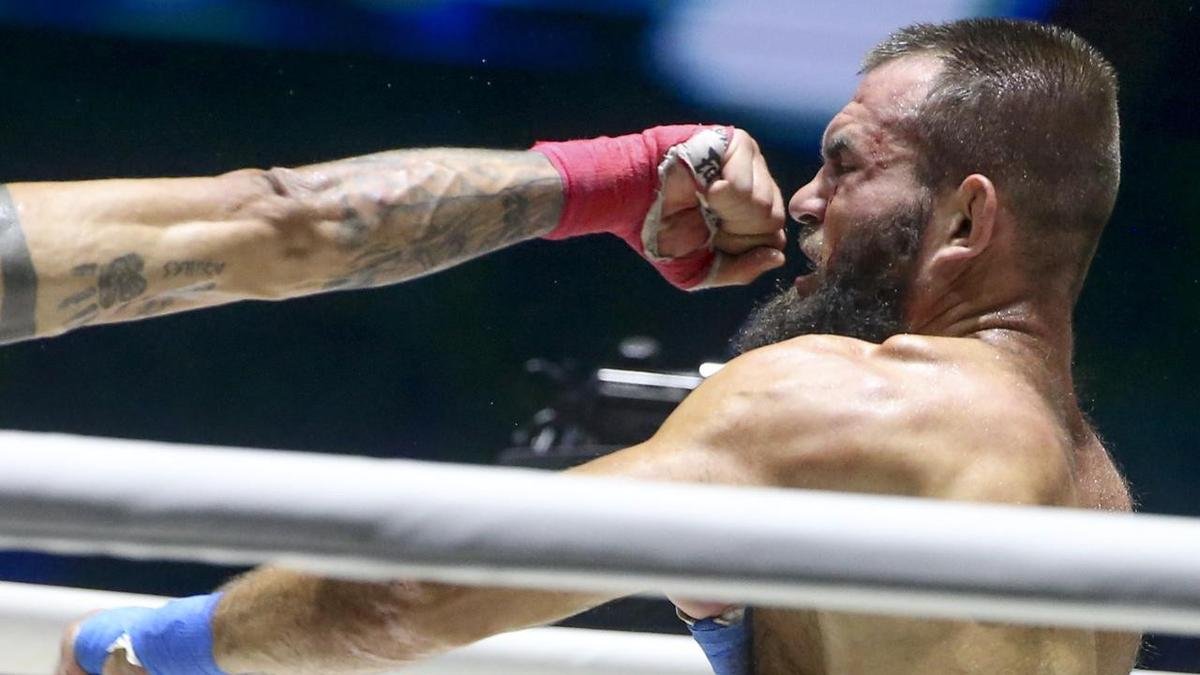
Bare Knuckle Australia representative Michael McConnell was quizzed on why participants would prefer a bare-fisted beating over a traditional boxing bout.
“I’m made for fighting,” he said.
“Some people like to fish, some people like to paint, some people like to go bush walking. For some people, it’s fighting, and in this case, bare-knuckle fighting … it’s exhilarating.”
The group currently holds sparring events on private property, not “competitions”, with attendances over 100 spectators, he said.
However, he argued the sport’s overseas growth meant legislators in the state could not ignore its appeal, and pushed for further legitimisation.
Swelling, cuts and bruises incurred during fights looked bad, but argued fewer consecutive head blows than traditional boxing reduced the risk of long-term brain injury.
Darren Kane of the Combat Sports Authority of NSW said regulation often minimised harms.
Fringe and underground competitions could lead to horror scenarios, like fighters laying injured or dying while organisers “scurry away like crabs on a beach”.
The authority is supported by the Office of Sport which has some investigative and enforcement powers.
Neurologist Rowena Mobbs accepted boxing could provide structure and a positive outlet for some people, but that did not make ‘run-it-straight’ or power slapping acceptable.
She disputed the idea regulatory pathways and medical staff – “window dressing” – could remedy brain injury risks.
Dr Mobbs recommended emerging collision sports were simply outlawed.
“I’ve seen the devastating consequences … we know there’s direct harm, and I just can’t bring myself as a human, let alone as a neurological perspective, as a doctor, to allow that,” she said.