Source : Perth Now news
It has been a fundamental part of Aussie life for generations.
Few Australians have grown up without at least being a fleeting part of a local sports team, whether it be footy, cricket or rugby.
However, new research now claims that millions of Aussie kids are missing out on these opportunities because of a phenomenon that has been dubbed “play poverty”.
As the cost-of-living crisis continues to place a growing stranglehold on families, Good 360 Australia research shows sports, hobbies and clubs are increasingly being seen as a luxury expenditure.
With families battling increasing food, fuel and energy costs, more and more are sacrificing the costs attached to playing regular sports in the community.
The study reveals that almost half of Australians – 48 per cent, more than 13 million people – have either gone without, delayed replacing or been unable to purchase sporting supplies over the past year.
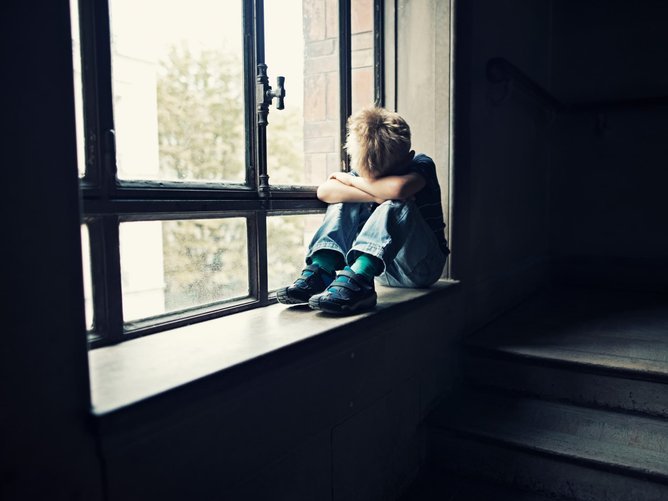
It also reveals that the same figure believes cost pressures are forcing children and families to miss out on sport altogether – opting to stay indoors instead.
And bosses of the non-profit organisation have warned this could have a devastating long-term effect on Aussie kids, as they miss out on the benefits of sporting activity.

“The physical benefits of sport for our kids is plain to see, but then there is also mental health and developmental gains to be had too,” Good 360 Australia chief executive Alison Covington said.
“Children build friendship groups through sports teams, learn camaraderie and become part of little communities – and this is something so many are now missing out on.”
Ms Covington said the organisation had been tracking “play poverty” for three years and found it had been steadily increasing over this period.

“Play is not a luxury. Kicking a football, going for a run, riding a bike, swimming at a local pool or pulling on a team jersey is how Australians of all ages stay healthy, make friends, and feel part of their community.
“Our research shows that for millions of households, those simple things are slipping out of reach.”
She said it was not solely an issue for parents on low incomes either, with middle Australia also starting to fee the bite.
Leading the fight against play poverty
Good 360 Australia is among organisations nationwide that are attempting to lead the fight against play poverty and create opportunities for more youngsters to get involved in sport.
It has launched a drive for donations of new sports goods that it then redistributes into the community.

Among those to benefit from this scheme is Bligh Park Community Services, a western Sydney youth organisation that provides outreach services for young people.
Spokeswoman Rhiannon Sayers said being able to offer sporting activities helped keep youths from “terrorising the streets”.
“What we are trying to do is simply give kids something to do and build rapport in their local community,” she said.
“We can’t solve every issue but being able to keep them active and find them something fun to do does make a huge difference.”

Mum-of-three Ms Sayers said she had too recently noticed a downturn in the number of families being able to get involved in community sport due to cost restraints.
“Growing up, we were always doing sports, joining one or two teams – sport is such a big part of Australian lifestyle,” she said.
“Seeing people unable to afford to do that, you just think ‘oh my god, how lucky we must have been’. It really puts things into perspective.”
She said that while all three of her children were involved in sport, she and her partner were both working two jobs to keep up with the costs.
Finance friendly options are out there
While many families have found themselves forced to turn their backs on sport, many organisations in Australia are working hard to break down these financial barriers.
Among these is Soccer Stars, a volunteer-led program based in Brisbane that provides affordable access to football for youngsters between eight and 13.

The scheme is note solely geared at children from low-income families – it also supports those with social barriers preventing them from getting involved in community sports teams.
But program manager Sharlie Robinson said financial barriers to sport were becoming increasingly significant.
“At some clubs, you can end up paying around $600 a term to join and that’s without all the equipment you need – jerseys, shorts, shocks, shin pads. When you are in a multiple child family it soon adds up, she said.
“I think we are really seeing that in the community, where people are finding it increasingly tough to keep up with it alongside the cost of living.”
Soccer Stars is largely funded by the St Vincent de Paul Society but also has partnerships with organisations like Good 360 Australia to allow it to provide equipment to help people participate in sport.
“Projects like ours can come into play to give families more breathing room to get their children involved in sport,” Ms Robinson said.
“We aim to help children build confidence, teamwork and camaraderie and being able to see young people do this is incredibly rewarding.”

Play poverty in numbers
The research has highlighted a host of stark statistics demonstrating just how much play poverty is impacting Aussie families.
Proving it is not an issue exclusive to low-income families, 53 per cent of families earning between $90,000 and $119,999 a year have experienced play poverty – and 51 per cent earning up to $149,999.
More than half of the those who have experienced play poverty – 51 per cent – say they have become less physically active as a result.
This, in turn, is also driving more Australians to their screens, with more than a third of people (37 per cent) saying they are spending more time on devices due to the cost of sport.
The mental health impact of play poverty is also highlighted by the research, which claims 28 per cent of people have experienced a decline in wellbeing.
Those aged between 18 and 24 – known as Gen Z – are said to be among the most hit, with seven out of 10 people in this age group being unable to afford to play sport.
The state most affected by play poverty is NSW, where close to two-thirds of all people have experienced at least one impact of it.