

Source : ABC NEWS
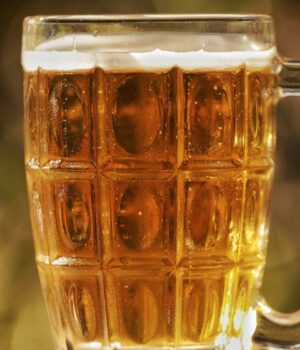
It seems like a dream come true considering the West’s long-standing love affair with beer, but is non-alcoholic beer a genuine contender as a sports drink for rehydration?
The concept first hit the mainstream in 2018 when, during the Pyeongchang Winter Olympics, the German team was drinking a label that had donated 3,500 litres to the athletes’ village.
One of the skiers even told the BBC that the alcohol-free wheat beer was “extremely healthy” and, because it was isotonic, added that it was “good for us sports guys”.
Since then, a variety of brands have entered the market, with many adding electrolytes — or minerals that have a positive or negative charge when dissolved and help maintain cellular fluid balance — and marketing them as sports beers.
But is there any truth to the concept, or is it simply a marketing gimmick launched off society’s enduring taste for a fermented drink created with malt, hops and yeast?
Is it true?
“It’s only good because it contains water, which is good for rehydration,” said Associate Professor Evangeline Mantzioris, Adelaide University Bachelor of Human Nutrition program leader.

Evangeline Mantzioris says non-alcoholic beer is essentially a soft drink and is hydrating. (ABC News)
She said that while regular beer above 4 per cent alcohol content was dehydrating due to its diuretic properties — which increase urine production to flush extra salt and water from the body — low-alcohol beer did have some hydrating qualities.
“But generally, because of the health perspective, we wouldn’t recommend it because alcohol is deemed as a known carcinogen,” Dr Mantzioris said.
The rise of non-alcoholic beer overcomes that, however, particularly as modern techniques allow for increasingly well-crafted beverages that are drawing closer to their alcoholic cousins in taste and profile.
“It’s essentially a soft drink because it doesn’t have alcohol in it, right? So it will be hydrating,” Dr Mantzioris said.
“But if this non-alcohol beer product gets athletes, and I’m thinking local footy clubs, to drink more and not get drunk … and it’s a good-tasting thing, then it’s good from that perspective.”
What’s in it?
Less clear, however, is the benefits non-alcoholic beer can offer beyond its basic hydrating qualities.
“It’s got a little bit of carbohydrate in it,” Dr Mantzioris said.
“One brand looks like it’s 1.9 grams of carbs per 100 millimetres. That’s too low for making any reasonable difference for an athlete to refuel and restock on carbohydrate in their body. Generally, we look at about 6 to 8 per cent.
“It also has selected electrolytes added, and those electrolytes aren’t a whole lot different to what you find in normal beer.
“For most Australians, we don’t need extra sodium in their diet. We’re well above our requirements for sodium.”
She said it also had a “little bit of magnesium in it and a little bit of potassium”.
“Are they useful amounts?” Dr Mantzioris said.
“Well, yeah, but it wouldn’t make a big difference to most people because they would get most of that stuff through eating food.”
Then there were polyphenols, an antioxidant found in beer, particularly those of a darker variety.
“They’re found in virtually every plant food, so fruit, vegetables, grains, and they can act as antioxidants in your body, so they can reduce the oxidative stress that’s occurred following exercise,” Dr Mantzioris said
“Just breathing and living causes oxidation in your body.”
This is when reactive molecules, or free radicals, react with vital cellular components and can cause damage to DNA and proteins.
“But we’re not going to promote alcohol as a way of getting polyphenols into people,” Dr Mantzioris said.
Milk an effective option
The South Australian Sports Institute’s sports dietician Olive Warnes said their preferred option for athletes was water supplemented with electrolytes to help replace fluids and essential minerals lost through exercise.
Milk is considered an excellent choice for refuelling as it provides carbohydrates, protein and electrolytes. (Flickr: steves71)
“When selecting protein or carbohydrate recovery drinks, athletes should prioritise products that have been batch tested,” she said.
“Milk is another effective recovery option that is often overlooked.
“It naturally provides carbohydrates, protein and electrolytes, making it an excellent choice for refuelling, muscle repair and rehydration following exercise.“
In fact, milk is near the top of the Beverage Rehydration Index (BRI), second only to the oral rehydration solutions people can buy from chemists.
The BRI was established following a study led sport and exercise nutrition professor Ronald J Maughan from Loughborough University, Scotland.
It aimed to identify beverages that promoted longer-term fluid retention, and investigated the effects of 13 different commonly consumed drinks on urine output and fluid balance when ingested in an euhydrated state (a state of balanced hydration).
The National Insitute of Health’s Beverage Rehydration Index is often referred to by dieticians. (X: @Jeukendrup)
At the top of the list behind oral rehydration solutions was skimmed milk, followed by whole milk and orange juice — all of which the body retained longer than still water, which was the control fluid in the study.
The body also retained cola and tea marginally longer than still water, and sparkling water and sports drinks marginally less.
Beer and then coffee were significantly lower than water on the BRI.
Rehydration is rehydration
Dr Mantizioris said athletes requiring hydration after exertion generally picked beverages above the BRI’s rate of still water.
“Rehydration for an athlete is incredibly important, both from the perspective of performance and being well-hydrated during their training or performance, and also for their health,” she said.
Evangeline Mantziroris holds the SANFL Premiership cup. (Supplied: Evangeline Mantzioris)
“So essentially, when you’re talking to an athlete, you pick the drink that they are most likely to drink, irrespective of what the beverage hydration index might say.
“If you want to drink a cup of tea and that is what will make you drink lots of water, go for it, or if your thing is cola, go for it, because hydration is just so important for an athlete.”


