

source : the age
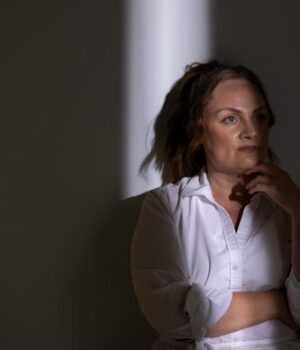
Every week, Chloe Cifelli would watch her pastor father deliver his Sunday sermon. Then she’d vomit on the way home.
“I just needed to pray harder,” Cifelli jokes decades later.
“As I got older, I realised it was probably the lighting or certain smells in the church that would make me sick.”
Cifelli was experiencing her first migraine attacks. It would take decades and thousands of dollars to find treatments that helped prevent and manage her symptoms without resorting to increasing doses of opioids.
“As an executive consultant, I make money by being the smart person in the room and presenting, yet sometimes I can’t form a sentence,” she said.
Millions of Australians with migraine are going undiagnosed and locked out of treatments, a federal government-funded white paper has revealed.
The report by Migraine Australia found that overwhelmed specialists are closing their books, and potentially life-changing treatments are unreachable for many even on the Pharmaceutical Benefits Scheme (PBS).
Cifelli, now chair of Migraine Australia, said the true toll of migraine was woefully under-recognised, and symptoms were being dismissed as “just a bad headache”.
“We now know this is the number one neurological disease in Australia, and it’s not something that having a bit of salt or gut health can fix,” she said.
An estimated 3.9 million Australians were living with migraine in 2025, according to the Australian Institute of Health and Welfare (14 per cent of the population). But population surveys suggested that up to 20 per cent of Australians are formally diagnosed, and almost two-thirds of people with migraine may be undiagnosed.
On average, it took more than four specialist appointments to get a diagnosis, each consultation costing hundreds of dollars. One in five people reported a two-year diagnostic delay.
Cifelli said that when Migraine Australia tried to recruit neurologists who specialised in migraine to register for patients, they were met with a resounding “no”.
“They were closing their books, or they didn’t have capacity,” Cifelli said. “We couldn’t even get 20 clinicians.”
Women were disproportionately affected (18 per cent versus 11 per cent of men overall), peaking at 27 per cent among women aged 30 to 34 and overlapping those key career and child-bearing years.
The report also found pervasive stigma meant that people with migraine were being dismissed or disbelieved.
“There’s a big difference between someone who’s just got a headache versus someone experiencing migraine,” Cifelli said.
Migraine symptoms can include throbbing head pain, nausea, vomiting, sensitivity to light, sounds or smells, speech trouble, visual disturbances, dizziness and brain fog.
The report found the cost of newer therapies developed specifically for migraine was a major barrier to treatment.
She said the eligibility criteria for PBS subsidies meant the majority of patients missed out on therapies known as calcitonin gene-related peptides (CGRPs) – galcanezumab (Emgality), fremanezumab (Ajovy) and eptinezumab (Vyepti) – which cost up to $850 a month or thousands per infusion via a private script.
What it’s like to live with migraine in Australia
84 per cent of people with migraine reported at least one stigma experience, including:
- attending work with an attack (65 per cent),
- having their migraine dismissed as a bad headache (63 per cent),
- feeling disbelieved (57 per cent),
- hiding their migraine (56 per cent), and
- feeling guilty for taking sick leave (46 per cent).
Migraine negatively affected their:
- ability to work (49 per cent),
- sleep quality (48 per cent),
- household tasks (46 per cent),
- mental wellbeing (38 per cent), and
- physical health (47 per cent).
Under PBS criteria, patients must have first tried three failed treatments (such as beta-blockers, epilepsy and depression medications) and have a neurologist in order to be eligible.
Cifelli said most people with migraine needed a “preventer” medication and an “abortive” to take during an attack, further raising the cost of treatment.
The report makes six recommendations, including that Australian governments and professional practitioner bodies consider the unmet need of people with migraine in workforce planning, upskill GPs, establish clear care pathways, expand multidisciplinary clinics and fast-track greater access migraine-specific therapies.
“If we can make treatment and care more accessible, [and help] people to contribute and have more functional lives, there’s a real opportunity for a return on investment,” Cifelli said.
“Can we open up the prescribing of some of these medications to the GP network?” she said.
A Department of Health, Disability and Ageing spokesperson said the Australian government recognised the significant impact migraines can have on Australians and was committed to supporting access to timely, affordable and evidence-based care, and had listed several medicines on the PBS for the prevention and treatment of migraine, including CGRPs and botox.
The spokesperson said the Chronic Conditions Prevention and Integrated Care Program was an avenue for investment in priority chronic conditions, including migraine and pain management, with more than $148.2 million committed over four years and $38.3 million a year ongoing.
Start the day with a summary of the day’s most important and interesting stories, analysis and insights. Sign up for our Morning Edition newsletter.


