

Source : INDIA TODAY NEWS
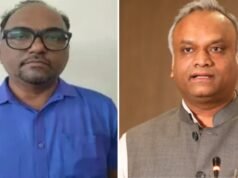
Doctor and social media influencer TheLiverDoc has alleged that Instagram restricted one of his posts in India after it criticised homoeopathy, sparking a debate over free speech and scientific criticism.
The development comes shortly after the Board of Ethics and Registration for Homoeopathy (BERH), under the National Commission for Homoeopathy (NCH), issued a circular warning against derogatory, defamatory and misleading statements directed at homoeopathy and registered homoeopathic practitioners.
The circular, dated June 8, states that homoeopathy is a legally recognised system of medicine under the National Commission for Homoeopathy Act, 2020. It cautions against communications, social media posts, press releases and other content that label registered homoeopathic practitioners as “quacks”, stating that such descriptions may be defamatory and harmful to their professional reputation.
Soon after the circular was shared online, TheLiverDoc posted screenshots showing that one of his Instagram posts had become inaccessible to users in India. The notice displayed by Instagram said that access to the content had been restricted in compliance with legal requirements under India’s Information Technology rules.
Reacting to the move, TheLiverDoc alleged that the government was attempting to shield homeopathy from criticism.
“The government of India is blocking my posts on Instagram that criticizes Homeopathy based on a directive from the Homeopathy Council. This is very shameful of the government… protecting pseudoscience and its practitioners from scientific scrutiny,” he wrote on social media platform X.
The doctor, known for promoting evidence-based medicine and debunking health misinformation, has been a vocal critic of homeopathy for several years. His posts often question the scientific evidence supporting homeopathic treatments.
The incident has sparked debate online, with many doctors, scientists and social media users raising concerns about the impact of such actions on scientific discourse and free speech. Others argued that registered practitioners should be protected from defamatory language and generalised attacks.
Neither Meta, which owns Instagram, nor the Indian government had publicly commented on the specific restriction at the time of writing. The controversy has once again brought the long-standing debate over homeopathy and scientific evidence into the spotlight.
– Ends
advertisement
SOURCE :- TIMES OF INDIA