

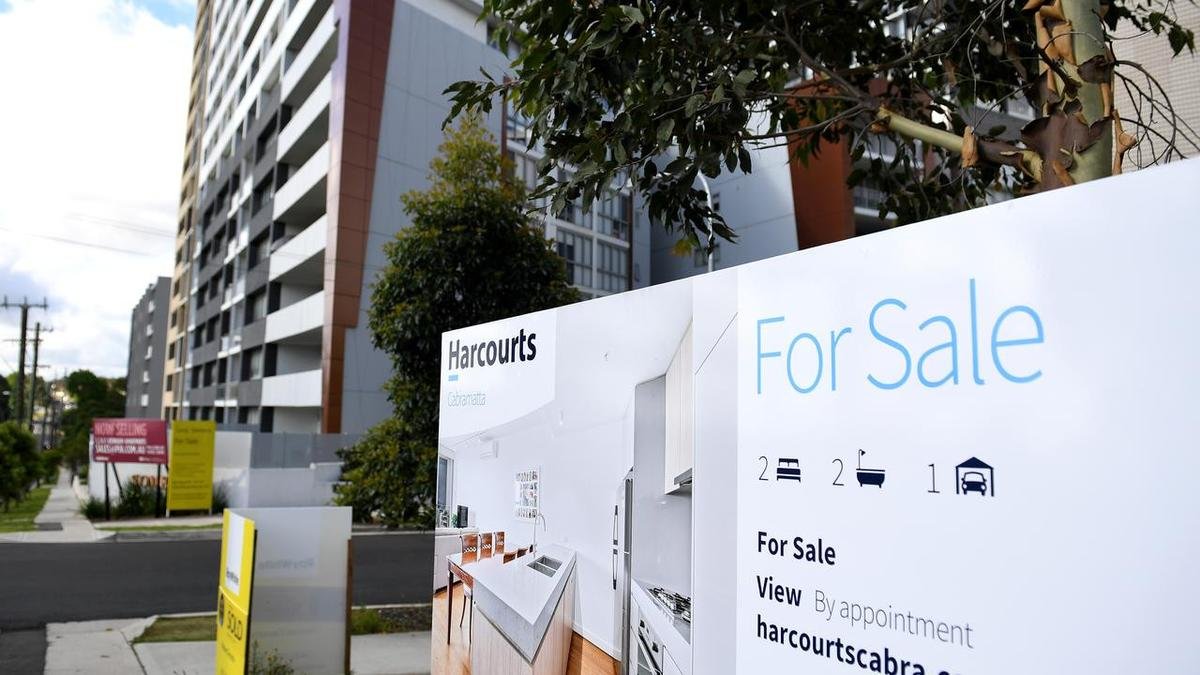
Source : Perth Now news
Contentious tax changes will have a larger drag on home prices than the government forecast in the budget, according to analysis from Australia’s largest lender.
Winding back negative gearing and the capital gains discount for established properties will weigh on home prices by five per cent, compared to Treasury forecasts of a two per cent drag, Commonwealth Bank senior economists Trent Saunders and Ashwin Clarke found.
A slowdown in the property market was already underway before the budget due to global uncertainty and rising interest rates.
But the quick response to the tax changes suggested the near-term impact will be sharper than expected, the duo said in a research note on Wednesday.
“We now expect national dwelling prices to be flat over 2026, down from a forecast of three per cent at budget and five per cent in March.”
Treasurer Jim Chalmers refused to say whether it was the government’s intention for home prices to go down.
“We’re not targeting a particular price outcome in percentage terms or in dollar terms,” he told reporters in Canberra.
“The Treasury analysis that we released with the budget assumes that house prices continue to grow but a bit more slowly.”
Opposition housing spokesman Andrew Bragg was more definitive.
“The honest truth is that house prices in this country are too high for young people and they should go down,” he said.
Labor’s five per cent deposit guarantee for first home buyers had “pump-primed” demand and driven up prices at the bottom end, Senator Bragg said.
But not only did he pledge to repeal the tax changes, he suggested the capital gains tax discount – which Treasury argued has fuelled investor demand and price growth – should be raised further.
Falling house prices might also help the RBA’s fight against inflation and potentially rule out more rate hikes, even if it is an inadvertent consequence.
The tax changes have clearly had an impact on housing sentiment, which could reduce spending via the wealth effect and presents downside risks to economic activity, NAB chief economist Sally Auld said.
“The question we’re mulling over is how big is the correction in housing likely to be, and what that might mean for activity, not so much in the current quarter, but possibly in the back half of the year,” she told AAP.
NAB still expects the Reserve Bank to hike interest rates one more time in August, despite Australian Bureau of Statistics data showing a slowdown in Australia’s economic growth rate in the March quarter.
RBA governor Michele Bullock, as well as assistant governors Sarah Hunter and Christopher Kent, will reveal their reaction to the national accounts figures when they front a senate estimates hearing on Thursday.
With productivity growth going backwards and unit labour costs still elevated, inflationary pressures were likely to persist, EY senior economist Paula Gadsby said.
“Today’s result is unlikely to impact the Reserve Bank’s deliberations at its June meeting, and we expect the board will need to tighten monetary policy further in the second half of this year,” she said.