
Source : Perth Now news
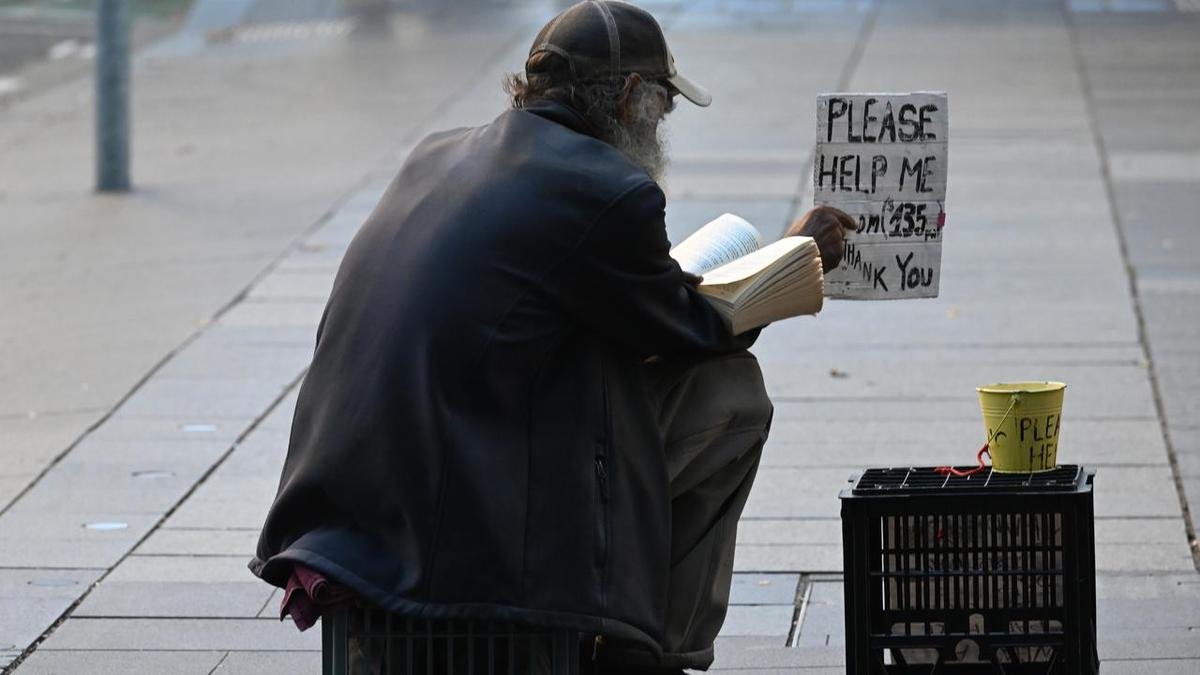
Homelessness is soaring in regional areas as advocates plead for more funding to stop simply shifting the problem and start solving it.
The number of people sleeping rough in NSW has increased 75 per cent in six years, according to a Homelessness NSW report that relies on the state’s street count data.
While the count in metropolitan Sydney is virtually unchanged between 2020 and 2026, it has surged a staggering 689 per cent in the Illawarra Shoalhaven and southern NSW district, from 27 people to 213.
The district encompassing NSW’s northern region and mid-north coast has also sky-rocketed from 407 people in 2020 to 1024 in 2026, leading it to become the state’s leading area for homelessness.
Homelessness CEO Dominique Rowe said state government funding for support services needed a 50 per cent boost, along with a commitment to build 10,000 social homes a year until they constitute 10 per cent of all housing.
“Homelessness services have a situation where 92 per cent of people coming through their doors are not getting the assistance they need,” she told AAP.
“People that are vulnerable and just can’t afford the private rental market need a place to call home … it’s quite a simple solution from the government, but they haven’t been doing enough address the problem.”
After 2026 street count data was released, Homelessness Minister Rose Jackson touted fewer people sleeping rough in inner-city Sydney and Byron Shire because of targeted investment and co-ordinated support.
But Ms Rowe noted surrounding areas had seen an increase.
“It’s been shifted, you can see neighbouring areas are getting an increase, because if you’re sleeping rough, you tend to be more transient,” she said.
“In the Sydney CBD, you look to the east and you look to the inner west, and those numbers have actually increased because people are moving from one spot to the next … we can’t say we solved the problem.”
The report followed other research that found homelessness is now significant, acute, or very acute for two-thirds of Australia’s local councils – up from about 10 per cent in the 2010s.
The University of NSW work surveyed 167 councils, with the study finding many had moved away from enforcement measures towards more support-focused responses.
The discovery of a dead baby at a homeless camp along the Murrumbidgee River, in Wagga Wagga on May 2 exposed the severity of conditions facing the country’s most vulnerable people.
The incident, which police believe was not suspicious, fuelled calls to shore up housing supply and homeless services.
Lifeline 13 11 14
beyondblue 1300 22 4636