

Source : Perth Now news
Australians heading to Europe and beyond are being urged to reassess travel plans and insurance cover, after the Federal Government downgraded its travel advice for several Middle Eastern countries.
It’s a move expected to ease transit concerns ahead of the busy European summer.
The advisory shift follows a ceasefire deal struck between the US and Iran, with Foreign Minister Penny Wong confirming conditions in Qatar, the United Arab Emirates, Bahrain, Kuwait and most of Israel have been reassessed from “do not travel” to “reconsider your need to travel”.
Some areas remain under strict warnings, including border regions near Gaza and Lebanon, with officials stressing the security situation across the region is still unpredictable and subject to rapid change.
The change is expected to have immediate flow-on effects for Australians travelling to Europe, India and Africa via Gulf hubs, a key concern for long-haul travellers.
ATIA CEO Dean Long said the downgrade was “genuinely good news for Australian travellers” at a critical time ahead of peak departures.
“The advisory downgrade is genuinely good news for Australian travellers and the timing could not be better, heading into the European summer season,” he said.
He said the previous “Level 4” warning created significant uncertainty for travellers transiting through Gulf hubs, particularly around travel insurance coverage.
“When the advisory was sitting at Level 4, that created real uncertainty, particularly around insurance cover for travellers on brief airside transits as a result of coverage not applying to transiting passengers in many instances,” Mr Long said.
“The downgrade to Level 3 removes that complication for most travellers moving through those hubs.”
Mr Long said confidence was now returning to the market, with some travellers restarting delayed plans and airlines responding with competitive pricing.
“What we are hearing from our members is that confidence is returning. People who had plans on hold are starting to move again, and there are some compelling deals coming through right now,” he said.
However, he warned Level 3 remains a significant advisory threshold.
“Level 3 is still a meaningful threshold and the Government’s advice remains to reconsider non-essential travel,” he said.
Travellers were urged to check Smartraveller guidance and ensure insurance coverage is valid for their itinerary, especially when transiting through the Middle East.
“Check Smartraveller before you book and before you travel, and speak with an ATIA Accredited travel agent or tour operator,” Long said. “That conversation is worth having.”
Expedia data shows renewed interest in European destinations is already building, with travellers increasingly returning to last-minute booking behaviour as confidence improves.
According to Sarah King, Expedia Travel Expert, searches for major European cities have risen sharply over the past week, signalling a rebound in demand for the northern hemisphere summer period.
“Travel confidence among Aussies heading to Europe is gradually returning, with interest in key destinations back on the rise,” she said.
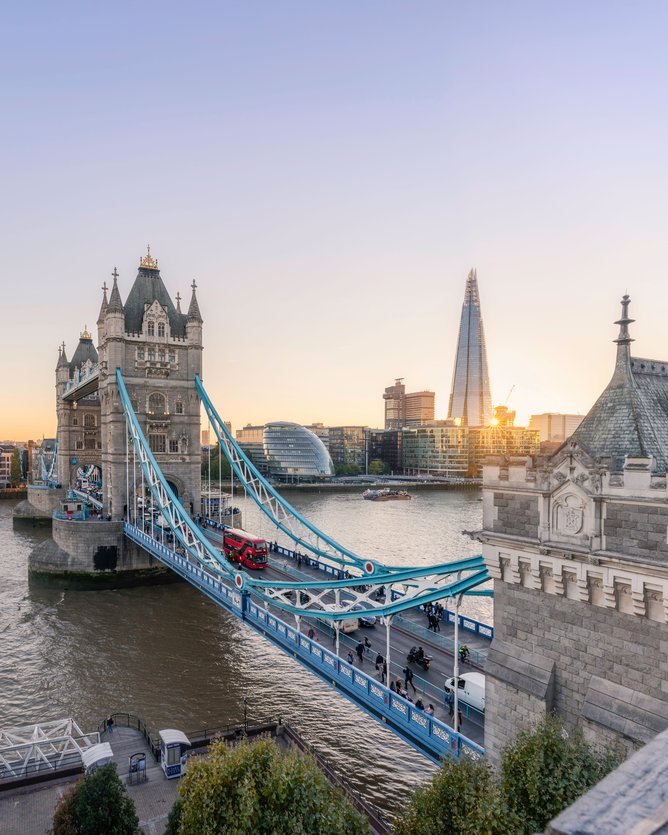
Over the last week, Milan has seen an 80 per cent year-on-year increase in searches, followed by London (up 40 per cent), Amsterdam (35 per cent) and Barcelona (25 per cent).
King said many Australians are still focusing on value and flexibility, with longer, multi-stop itineraries remaining popular amid cost-of-living pressures.
“There has been a 61 per cent year-on-year increase in use of the ‘Budget’ accommodation filter this winter,” she said.
“When it comes to airfares, pricing remains dynamic but as conditions stabilise more competitive Europe-bound airfares are starting to re-emerge later in the season, with some return fares ranging from approximately $1,500 to $2,000 in late September and October.”
Expedia’s 10 most popular European destinations this winter: include
1. London, United Kingdom
2. Paris, France

3. Rome, Italy

4. Athens, Greece

Credit: Stephen Scourfield/The West Australian
5. Milan, Italy

6. Amsterdam, Netherlands

7. Istanbul, Turkey

8. Barcelona, Spain

9. Venice, Italy

10. Edinburgh, Scotland

Officials continue to warn that travel advice could change again if conditions in the Middle East deteriorate, urging travellers to stay updated and ensure they have appropriate insurance cover before departure.