

Source : the age
Labor has relented on another change to its budget tax package, agreeing to crossbench senator David Pocock’s push to make sure that widows and divorcees do not lose their grandfathered access to capital gains and negative gearing tax concessions.
But the latest carve-out won’t be legislated until later this year after the overarching budget bill – which gives effect to a worker tax offset and instant deduction, as well as curbs on negative gearing and a new method for calculating capital gains taxes – passed the parliament on Thursday afternoon.
It is the fifth substantial change that Labor will make to its tax package after handing down a contentious budget last month. First, the government excluded discretionary trusts used for estate planning from its tax changes, to combat a Coalition scare campaign about a “death tax”.
Last week, it extended exemptions for small businesses with a turnover of up to $10 million and proposed an “innovative business tax concession” for start-ups. Then this week, it tightened a loophole around how investment properties are purchased through self-managed super funds, as part of negotiations with the Greens.
Opposition MPs accused the government of “humiliating backdowns” in question time on Thursday, pressing Labor over whether it realised there would be issues for widows and divorcees before the budget was handed down.
Labor MPs held the line, saying they had always planned to make tweaks and iron out any unintended consequences as part of a consultation process promised in last month’s budget papers.
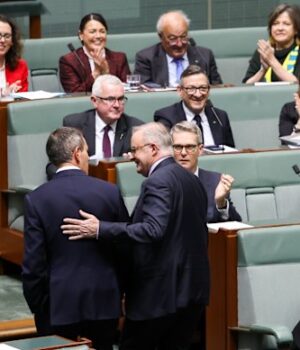
In a caucus meeting earlier this week, Prime Minister Anthony Albanese told his MPs that tax reform was always hard but the government had faced less resistance than other leaders’ attempts at major change. Labor members applauded Albanese and Treasurer Jim Chalmers as the laws passed on Thursday.
But the Coalition and crossbenchers continue to argue the process has been rushed and lacked parliamentary scrutiny.
Shadow treasurer Tim Wilson on Thursday afternoon said the government had “railroaded this budget through the Parliament as a political fix to try and stop the debate”.
The changes to negative gearing and capital gains tax are estimated to raise $3.6 billion by 2029-30.
Responding to a request from opposition finance spokeswoman Claire Chandler, Treasury this week confirmed about 85 per cent or $3.1 billion of that extra revenue will come from negative gearing changes. That is well short of the $6.4 billion estimated cost of the government’s Working Australians Tax Offset over the same period.
The latest backdown followed evidence from a two-day Senate inquiry earlier this month, when Treasury officials confirmed that jointly owned assets – such as a property owned by a couple – would no longer benefit from grandfathered exemptions to negative gearing and CGT if they were transferred to single ownership.
Pocock became concerned that this would unfairly affect people, particularly women, if property was transferred when one partner died or a couple divorced.
The senator introduced an amendment to protect access to grandfathered tax concessions in the event an asset was transferred “because of a family law court order or the death of a joint tenant”.
He withdrew it on Thursday after Labor agreed to make the changes themselves in the next tranche of budget legislation.
Pocock said he appreciated the government had come to the table, but the process was not ideal.
“This should have been sorted out in this primary legislation. The Senate should have had more time to actually look at these issues that we are identifying,” he told the Senate.
“However, I am prepared to take the government’s commitment in good faith and therefore will no longer proceed with the amendments.”
He described the government’s language on the issue as disappointing, and said Labor appeared reluctant to entertain amendments unless it absolutely had to.
“They are saying this is something that they knew about all along and were going to address,” he said. “And yet just this morning we had ministers on radio saying that it wasn’t an issue, it was just how the system worked, and there was nothing to see here.”
The senator was referring to a response that assistant minister Andrew Leigh gave when asked about the issue earlier on Thursday morning. Leigh told the ABC: “This is how the existing arrangements in the tax system currently work in the acquisition of assets. We’re not making changes to those.”
Finance Minister Katy Gallagher said the government kept an open door to anyone who raised suggestions. She accused Pocock of failing to raise his problems in an earlier crossbench briefing about the laws.
Gallagher also said that it was not unusual for a government to introduce an overarching piece of legislation and then introduce subsequent laws to tidy up issues, “whether it be inheritance, marital breakdown, tenancy arrangements”.
She cited the Howard government’s GST reforms, which required dozens of new laws, as a precedent.
Pocock said the briefings did not allow enough time to go through every crossbencher’s concerns. “It’s a good thing that the government does, but it is in no way an opportunity to talk at length about suggested amendments,” he said.
“As to the GST bills – there was also a three-month Senate inquiry into those changes through a select committee. I think that’s in stark contrast to what senators are having to deal with when it comes to these changes, which was an almost farcical, compressed Senate inquiry.”
Cut through the noise of federal politics with news, views and expert analysis. Subscribers can sign up to our weekly Inside Politics newsletter.
 Natassia Chrysanthos is Federal Political Correspondent. She has previously reported on immigration, health, social issues and the NDIS from Parliament House in Canberra.Connect via X or email.