

Source : the age
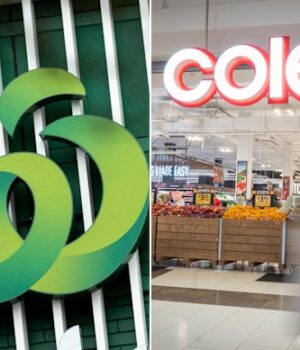
Farmers and other food suppliers have accused grocery giants Woolworths and Coles of squeezing them during tough price negotiations, saying this leaves them with little choice but to give up their own margins or face having their products pulled from shelves.
Aldi was consistently named as the fairest and most respectful supermarket for suppliers to deal with, followed by IGA operator Metcash, in the first survey to take place under the federal government’s beefed-up code of conduct for the sector.
Coles and Woolworths, ranked third and fourth respectively, showed improvements in their scores, but still exercise disproportionate control over where a product ends up, or stays, in the grocery aisle.
Nearly half of 947 survey responses described price negotiations as challenging, while one in two responses said retailers “always or mostly” ask for further discounts during “range reviews”.
Food and Grocery Code supervisor Professor Elizabeth Sarofim told this masthead that common themes across survey responses revealed broader patterns of commercial pressure in which suppliers had no choice but to accept cost increases, funded discounts and improved supermarket margins, or “accept unfavourable outcomes because the alternative is commercially dangerous”.
Price negotiations were often “difficult, opaque and shaped by retailer margin demands”, she said, with suppliers continuing to face the “deeper structural risk” of Coles and Woolworths using their massive buying power to compel suppliers to carry inflation pressures.
The annual report is the first under the revamped food and grocery code of conduct that became mandatory on April 1, 2025, to directly address the power imbalance between major supermarkets and suppliers, including fear of retribution for speaking out.
“The concept [of retribution] appears to be difficult for suppliers to isolate from the unequal bargaining power which is a consistent and pervasive commercial aspect of their day-to-day dealings and underpinned the introduction of a mandatory code,” Sarofim said.
Her report comes months after Federal Court lawsuits from the Australian Competition and Consumer Commission lifted the lid on the extensive negotiations the major supermarkets undertake with their suppliers, including negotiating “discounts” alongside price rises.
The major supermarkets are competing more fiercely on price as shoppers adopt the habit of comparing prices and increasingly spread their grocery shopping across different retailers following a period of rapid inflation and interest rate increases.
But some suppliers reported that the lower prices have come at their expense as supermarkets request greater discounts from suppliers – or “above average” margin contributions – which puts pressure on their own businesses.
“Every time you say no you place the future of the business relationship and ranging on the line,” said one anonymous respondent. “Feel like we really don’t have a choice,” said another.
Retribution isn’t always immediately obvious and doesn’t necessarily come in the form of punishment, Sarofim said.
The general measure for suppliers’ fear of retribution fell to 13 per cent from 20 per cent, which Sarofim said was a positive sign, but she said some felt unsure whether certain conduct was retribution.
Some suppliers said supermarkets would cherry-pick their weakest data point during reviews of which products to keep on shelves to “put pressure on the supplier”, according to the report.
Fresh produce suppliers are also still carrying a disproportionate amount of the risk when it comes to growing and forecasting, with only 13 per cent of this group feeling able to negotiate fairly.
The survey also found some suppliers did not have a clear grasp on how to exercise their new rights under the revamped code of conduct.
“Others may understand their rights but fear the consequences of enforcing them,” said Sarofim.
The updated code of conduct gives Sarofim new monitoring and oversight powers to issue notices to supermarkets regarding areas of concern, advise suppliers about their rights, collaborate with the ACCC, and meet independent code mediators.
In a statement, Coles disputed the report’s conclusions, pointing to improvements in perceptions of fairness, and said it would keep engaging constructively across the sector.
“We are disappointed that aspects of the report appear to rely on selective anecdotal commentary and broad conclusions that are not supported by the report’s own evidence,” a Coles spokesperson said.
A Woolworths spokesperson acknowledged the survey findings but also noted the results of its preferred-supplier survey, conducted by management consultancy Advantage Group, which names Woolworths as the No.1 supermarket for suppliers for 2026. “Woolworths is committed to listening to supplier feedback,” the spokesperson said.
“We maintain regular dialogue with our suppliers … We look forward to discussing this year’s results with the code supervisor and openly engaging with the opportunities for further improvement.”
The Business Briefing newsletter delivers major stories, exclusive coverage and expert opinion. Sign up to get it every weekday morning.
 Jessica Yun is a business reporter covering retail and food for The Sydney Morning Herald and The Age.Connect via X or email.