

SOURCE :- THE AGE NEWS
A friendship with a crypto millionaire has sparked a furore over British politician Nigel Farage after he chose not to disclose help from a gambler who served time in prison in America for money laundering.
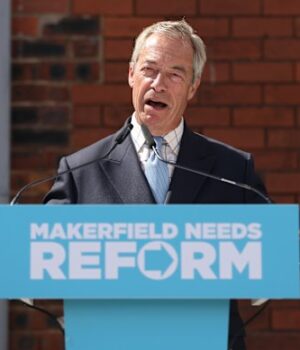
Farage, who leads opinion polls with his Reform UK party, is facing calls for a formal investigation into his links to George Cottrell after reports that the aristocratic investor – known as “Posh George” – secretly aided his campaigns.
The attention follows a separate row over a £5 million ($9.7 million) gift to Farage from another crypto investor, Christopher Harborne, who is based in Thailand and is estimated to be worth billions of pounds.
Farage ally Robert Jenrick, a former Conservative minister who switched to Reform last year, acknowledged the friendship with Cottrell but strongly denied any wrongdoing.
“He did give support to Nigel before he was a member of parliament,” Jenrick told the BBC on Sunday morning (London time).
“He hasn’t done so since he became a member of parliament. No rules have been broken whatsoever.”
The issue dominated political coverage in Britain after The Sunday Times revealed that Farage had stayed at a property owned by Cottrell in an expensive part of London near Buckingham Palace.
The newspaper also reported that Cottrell helped Farage and Reform UK with social media campaigns before the 2024 election and with personal security for the party leader.
While Reform has only a handful of MPs in parliament, it has surged to a leading position in the polls over the past year with its pledges to deport large numbers of migrants, stop asylum seekers coming by boat, cut welfare and assert traditional British values.
With 24 per cent support in the latest YouGov poll, Reform is ahead of both Labour (on 19 per cent) and the Conservative Party (on 20 per cent) and could win power given the UK electoral system does not allocate preferences.
Reform deputy leader Richard Tice angrily accused The Sunday Times of unfairly targeting Farage with its investigation into the friendship with Cottrell, who has been close to the right-wing movement for years.
“Just another part of the Establishment panicking that Reform may win next election and actually fix Britain,” Tice posted on X.
The Sunday Times is published by News Corp, which is chaired by Lachlan Murdoch, but it has not been alone in scrutinising the wealthy supporters behind Farage.
The Guardian revealed the Harborne payment in April and The Daily Telegraph of London – now owned by Axel Springer, a large German media company – also investigated the donation.
The latest report heightened the media debate about the level of scrutiny on Farage given his leading position in the polls, and priority given to cryptocurrency regulation in the Reform UK policy platform.
Reform has proposed a “Cryptoassets and Digital Finance Bill” that could ease rules for the financial sector, but it is yet to outline major costed policies in areas like defence.
“Reform’s crypto bill gives intricate details of the tax cuts and protections that interested financiers would enjoy under Farage,” wrote Fraser Nelson, a former editor of The Spectator, in The Times last Friday.
In addition to the funding and assistance from crypto investors, Farage has received payments from Direct Bullion, a company that encourages investment in gold.
Farage disclosed £270,000 ($522,000) in earnings for advertising Direct Bullion on social media, although The Financial Times reported there were relatively few clicks on the promotions despite the payment. When earlier promotions are included, the company has paid Farage £685,500 ($1.3 million) over time.
The assistance from Cottrell sharply increased the attention on Farage over the weekend because of the crypto investor’s criminal record.
The Sunday Times reported that Cottrell gave Farage security services, social media support and accommodation in the year before the Reform UK entered the House of Commons in July 2024. Under parliamentary rules, MPs must disclose political donations and gifts they receive in the year before being elected, as well as after they become MPs.
Cottrell is the son of British businessman Mark Cottrell and Fiona Watson, a former model from an aristocratic family who was reported to have been a girlfriend of King Charles in the 1970s, when he was Prince of Wales.
While making his money from gambling, Cottrell became deputy treasurer of the UK Independence Party when Farage led the party during his successful Brexit campaign to take the UK out of the European Union.
But Cottrell was arrested in Chicago in 2016 and charged with money laundering, wire fraud, blackmail, and extortion after an operation by US investigators who posed as drug dealers in a meeting with him in Las Vegas two years earlier.
Prosecutors said he had agreed to launder money for the undercover agents.
After pleading guilty to one charge of wire fraud, and having the other charges dismissed in a plea deal, he served eight months in prison.
Liberal Democrats president Josh Babarinde, an MP, wrote to the Parliamentary Commissioner for Standards on Sunday to ask for an investigation into the help from Cottrell.
“Nigel Farage has made a career out of ‘taking back control’ but he is not being straight with the British people about who controls him,” Babarinde wrote.
If the commission acts on the referral, the inquiry would add to its investigation into whether Farage breached the rules for failing to disclose the Harborne payment.
Jenrick defended Farage by saying MPs were allowed to receive help from friends.
“Nigel Farage is allowed to have friends as a politician, you’re allowed to stay at a friend’s house,” Jenrick told the BBC.
“You don’t have to declare things where they’re purely personal.”
Get a note directly from our foreign correspondents on what’s making headlines around the world. Sign up for our weekly What in the World newsletter.
 David Crowe is Europe correspondent for The Sydney Morning Herald and The Age.Connect via X or email.

