

Source : the age
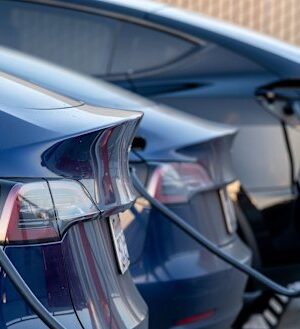
Motorists avoiding high-priced petrol are upending the nation’s car market, with half of all new vehicles sold over the past three months either EVs or hybrids.
The end of the federal government’s fuel excise cut is expected to push the average cost of unleaded well above $2 a litre at most service stations this week, and the consumer watchdog will monitor prices to guard against unreasonable increases.
But new figures from the Australian Automobile Association show a history-making turnaround in buyers’ habits. Of the 330,000 new cars bought in the June quarter, 167,840 were traditional internal combustion models and the rest were electric vehicles or hybrids.
A year ago, 72 per cent of all new vehicles ran on unleaded or diesel. Battery EVs accounted for just 9.3 per cent of new purchases, while hybrids comprised another 14.9 per cent.
In the June quarter, a fifth of all vehicles bought were battery EVs, 17.6 per cent were hybrids and 10.6 per cent plug-in hybrids.
Between the March and June quarters, sales of battery cars more than doubled, from 34,434 to 69,414. Petrol prices through that period actually fell, from a peak of $2.53 a litre to less than $1.60.
In the extremely competitive medium SUV market, long dominated by petrol vehicles, EVs and hybrids accounted for almost 80 per cent of all sales through the June quarter. At the beginning of the year, they held 60 per cent of the market.
It’s not just new EVs winning over motorists. Prices for second-hand electrics have either remained steady or climbed, while they have dropped for internal combustion vehicles.
The surge in EVs has been driven by the jump in oil prices caused by the US-led war against Iran. Brent crude finished trading last week at almost $US90 a barrel on fresh fears of an increase in attacks on Iran by US forces.
Despite the ongoing volatility in oil prices, the federal government’s reduction in fuel excise and heavy vehicle road user charge ended at the weekend. The move will add up to 17¢ a litre to the price of unleaded, taking it well above $2 a litre in most markets.
Treasurer Jim Chalmers said the cut in excise, which started in April, had taken the “sting” out of petrol prices when they reached their peak.
He said the government was now giving people cost-of-living relief through other measures such as last month’s modest reduction in income tax and extra paid parental leave.
Chalmers also warned service stations that the Australian Competition and Consumer Commission would increase surveillance of the sector, watching for any unwarranted sharp increases in petrol prices.
“The regulator will step up its monitoring of fuel price movements,” he said. “Any price increase that can’t be explained will face serious scrutiny from the ACCC.
“We’ve jacked up the penalties for petrol stations that rip off Australians. They face multimillion-dollar fines if they break the law.”
On Sunday, deputy Liberal leader Jane Hume would not be drawn on whether ending the fuel excise discount was correct, arguing instead the government had failed to reduce other inflationary pressures across the economy.
“It’s a decision for the government,” she told the ABC. “But Australians are going to feel the pain, there’s no doubt about that.
“They didn’t need to feel this pain because it would have been lessened if we had a more resilient economy and the government had done its fair share of the heavy lifting to get inflation down.”
Motorists without an EV can save money by switching to lower-priced fuel.
Fresh analysis of the Sydney fuel market by the National Roads and Motorists Association found the gap between the lowest priced unleaded petrol, E10, and premium 98, had reached a record of 29¢ a litre, as retailers extended their margins for the top-priced fuel.
The saving on a 55-litre tank compared with premium 98 is about $16.
Premium 98 fuel is designed primarily for high-performance or high-compression engines. E10 includes 10 per cent ethanol.
NRMA spokesman Peter Khoury said: “With the excise going up today and the war continuing, finding smart ways to save at the bowser remain critical for many Australians struggling with cost of living pressures. Not paying premium prices for premium fuels if you don’t have to is a great place to start.”
Many vehicles that run on petrol that were made after the year 2000 can take E10. However, not all are compatible with the fuel, and motorists should check before filling up.
Start the day with a summary of the day’s most important and interesting stories, analysis and insights. Sign up for our Morning Edition newsletter.
 Shane Wright is a senior economics correspondent for The Sydney Morning Herald and The Age.Connect via X or email.
 Mike Foley is the climate and energy correspondent for The Age and The Sydney Morning Herald.Connect via email.