Source : Perth Now news
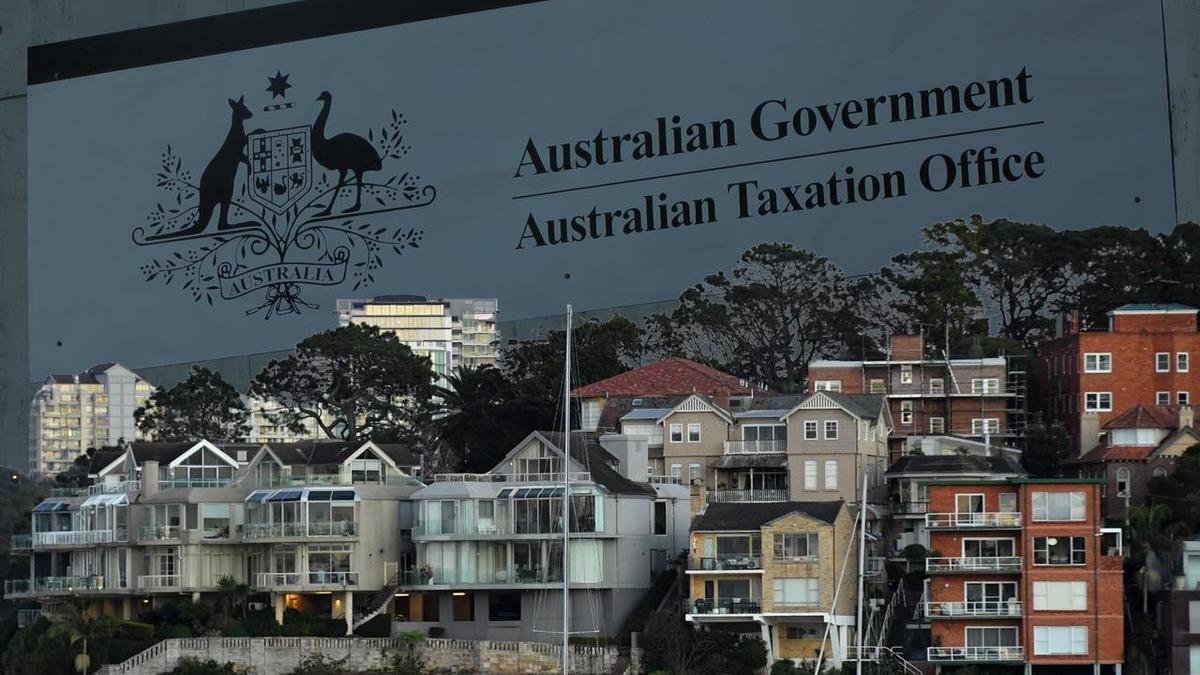
Higher taxes on property investors and bracket creep are propping up the federal budget and helping maintain Australia’s flawless credit rating.
Ratings agency S&P Global has reaffirmed Australia’s triple-A credit rating, maintaining the nation’s status as one of nine countries to hold the top rating with the big three ratings agencies.
Despite the federal deficit widening to $31.5 billion in the May budget, Australia’s relatively modest debt compared to global peers confirmed its sound fiscal performance, S&P said.
Although structural spending pressures were increasing, Labor’s curbs on investor tax breaks in the budget would help mitigate higher expenditure on health care, defence, social welfare and interest payments.
“Australia’s government unveiled an ambitious suite of tax and spending reforms that could marginally improve the fiscal trajectory over the next decade,” the ratings agency said on Thursday.
High commodity prices and bracket creep should also help pay for growing spending pressures, S&P said.
Maintaining the triple-A credit rating is vital for the federal government because it helps keep interest payments low.
Interest payments on government debt are among the fastest-growing expenses in the budget, forecast to hit almost $20 billion this financial year.
Treasurer Jim Chalmers said the reaffirmation of Australia’s credit rating was a “powerful endorsement” of the government’s responsible economic management.
“S&P specifically calls out the government’s ambitious tax and savings reforms for helping improve Australia’s fiscal position over the next decade,” he said.
“S&P says Australia’s rating benefits from ‘strong institutional settings and sound fiscal metrics’.
“Fiscal discipline is even more important at a time of heightened global uncertainty, and that’s exactly what we’re delivering.”
The ratings agency forecast Australia’s economy would slow over the 2026/27 financial year as consumers pulled back on spending while interest rates remained high.
But Australia would be relatively shielded from the impact of new 12.5 per cent tariffs imposed by US President Donald Trump.
“Several key exports, such as beef, gold, and copper, will likely remain tariff-free, which means the effective tariff rate will be significantly lower,” S&P said.
Plans to rein in the $56 billion NDIS were key to easing spending growth, but the changes needed to be navigated through the Senate, S&P noted.
“We think the central government may push some of these costs to the states, meaning there is less real saving at the general government level,” it said.
NDIS Minister Jenny McAllister on Tuesday said $11.5 million was being lost from the budget each day through fraud and integrity leakage because the coalition had delayed the passage of the bill.
“By the next sitting fortnight, that figure will be over $1 billion,” she said in a speech.
Opposition defence spokesman James Paterson said the coalition offered to pass the legislation in the last sitting period in exchange for a longer inquiry into their tax changes.
“We stand ready to work with the government to pass these bills,” he told News24 on Thursday.
“We could have passed them six weeks ago. It’s on the government that we didn’t.”