Source : Perth Now news
The arrests of two separate groups of boys from two of Sydney’s top private schools on charges of sexual assault should serve as a warning about raising boys in isolation to girls.
Leading experts said “all-male” environments such as non-co-educational schools, combined with the evils of social media, exposed young boys to not only sexist attitudes but predatory algorithms.
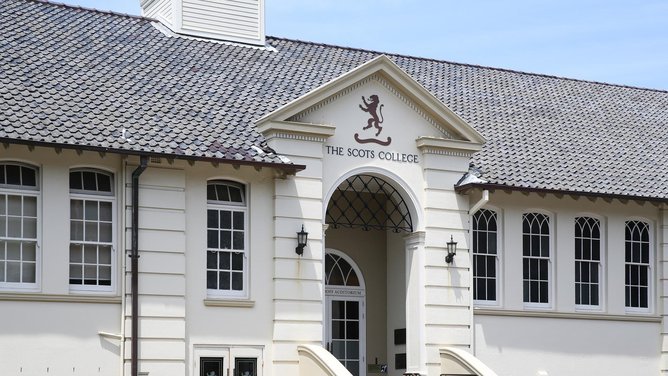
On August 13, three students from Scots College in Sydney’s east, which charges up to $47,000 a year in school fees, were charged over the alleged rape of a 14-year-old girl.
A week later, two 17-year-olds from St Gregory’s College in Campbelltown in Sydney’s southwest, were among three teens charged with the rape of a 17-year-old girl.
Gender equality researcher Dr Terrance Fitzsimmons said the alleged incidents were emblematic of a system which sidelines strong, authoritative female voices.
“This hasn’t come out of nowhere, as much as those schools would probably like to say so,” Dr Fitzsimmons told NewsWire.
“In all boys schools, what’s happening is there’s no presence of female role models. I don’t think schools are doing nearly enough to disconfirm stereotypes,” he said.
“Schools need to get really serious about having female leadership.”
Dr Fitzsimmons said boys raised in isolation from girls, when combined with the social media diet they are regularly being fed by predatory algorithms, are profoundly exposed to sexist attitudes.
The outlook, he says, is grim.
“I think we’re just going to keep seeing it. If boys are isolated from girls both in their social media, and what they’re watching, what they’re hearing, what their mates are saying, then where are they going to learn respect?
“ Where are they going to learn that women are equal to men?,” he asked.
“If they’re not getting the messaging and not seeing it and living it, then we’re just going to get more of these incidents, I’m sorry to say.”

Speaking on News24 on Friday afternoon, Teach Us Consent founder and sexual health advocate Chanel Contos said “all-male environments” were often a common denominator in recent high profile instances of alleged sexual violence.
“In these situations, I think group mentality and group loyalty can override personal integrity, and that’s part of a problem here I think where it’s a very slippery slope from bystander to participant,” Ms Contos said.
As a high school student in 2021, Ms Contos posted an Instagram poll asking her followers if they or anybody close to them had been sexually assaulted by someone who went to an all-boys school in Sydney.
In 24 hours, 200 people said yes.
Ms Contos said “predatory algorithms” are taking advantage of young men, and sending them down “rabbit holes” of misogynistic content.
“Toxic masculinity actually first and foremost hurts and oppresses boys and men themselves. It tells them a very strict set of rules about who they have to be and if they’re not that then they aren’t good enough,” she said.
“That pressure and expectations put on the self is what leads to externalising the harm onto others. I do think there is a lot of messaging online telling boys to be rich, and they should be tall, and they should be really ripped and they should be engaging in sexual acts frequently with many different women.”
“A lot of influencers, or ‘manfluencers’ who preach those sorts of values often have a lot of misogynistic things to say.”

Dr Fitzsimmons says the proliferation of these ‘manfluencers’ has created a toxic online environment where young men are socialised to see feminism as a threat.
It is a claim backed up by a recent Melbourne University survey which noted an alarming rise in anti-feminist extremism in boys and young men.
The survey found between 30 and 35 per cent of boys and men of all ages believe “gender equality measures have gone too far” and almost one in three (24-29 per cent) agreed feminism “is a hate movement”.
“Over in the US we’ve seen this rise in right wing male commentators, and yeah we’ve seen some of them getting shut down but when one gets shut down another one pops up,” Dr Fitzsimmons said.
“That kind of content gets shared around, and if you’ve got boys who are isolated from girls in a single-sex environment where there’s no obvious examples of female leadership, and on top of that they’re having this toxic message being delivered by these commentators, how can we possibly train them otherwise?
“I think we’ve got to stop as a country and actually ask the question; what are we not doing right around respect and inclusion?”

NSW Greens MP Jenny Leong said the impacts on girls and women, both in the alleged instances and in general, was “horrific”.
“How many more deaths, how many more rapes, how many more sexual assaults, how many more scandals and headlines about boys being boys or men being men do women need to endure before the Government acts to end violence against women,” she said.
“Day after day women are subjected to violence against men, who are then protected because reputation and money are placed as a higher priority than women not being assaulted or raped.”
“The normalisation of men in positions of power leaning into misogynist tropes to increase their own influence, the inescapable sexist, racist and aggressive threats infecting our online spaces, and the lessons never learnt by elite male-dominated institutions … has to stop.”