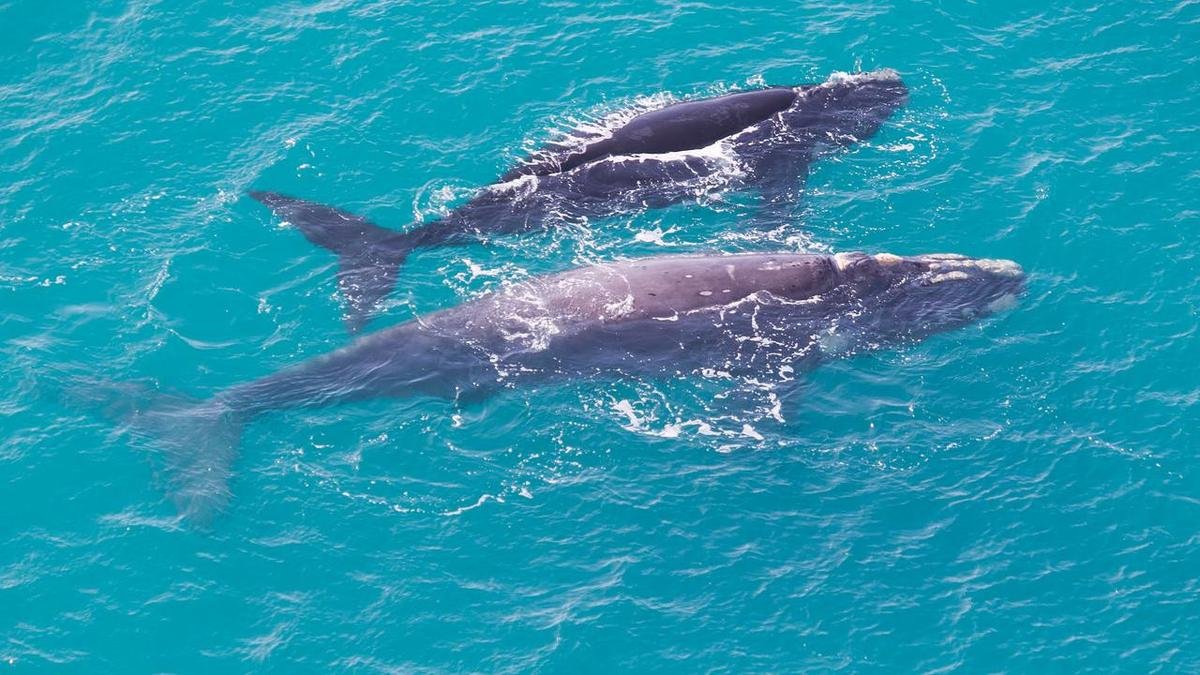
Source : Perth Now news
Whales are so revered in the Pacific, they have been labelled a ‘taonga’, or treasure, and afforded legal personhood by Indigenous leaders.
Australian Aboriginal traditions believe whale and dolphin species carry the spirits of ancestors.
And in Tonga, one of the world’s great sanctuaries for the beloved marine mammals, whales are considered Tongan given so many are born in the country’s south Pacific waters.
“The value of whales is quite significant in a cultural sense, but also economically,” WWF Pacific’s conservation director Alfred Ralifo tells AAP.
While launching a new ocean protection plan this year, Tonga Prime Minister Fatafehi Fakafanua estimated the value of each whale to his country at $US2 million, through tourism and their value to the health of the seas.
“They are the great fertilisers of our oceans,” Lord Fakafanua said.
“Tonga will value nature’s contribution while it’s living and while it is thriving.”
What happens then, when whales migrate outside of a country’s ocean boundaries, into the high seas, where all nations have equal rights to navigate and fish?
A new plan, championed by universities and conservation groups, wants to investigate and then safeguard parts of these international waters where whales roam.
The Western Pacific Blue Corridors report, launched on Friday ahead of next week’s Pacific Islands Forum leaders meeting in Palau, calls for partnership between intergovernmental, civil society and industry.
“The type of partnership that is transformative and robust enough to try and save these important species, and overall provide wider benefits across the ocean,” Mr Ralifo says.
There are 34 species of whale and dolphin across the Pacific, with seven of the 14 great whale species classified as endangered or vulnerable.
Satellite tracking shows many species migrate and congregate along Australia’s shores and the Pacific, including in high density in southern Western Australia, eastern Papua New Guinea and between New Zealand and Tonga.
University of Auckland professor Rochelle Constantine said the tracking offered the opportunity for targeted high-impact conservation.
“The opportunity now is to connect, resource and scale what works,” Dr Constantine said, foreshadowing a push in Palau for political support.
Australia – and other nations – are already committed to protect more of its land and sea territory following a “30 by 30” pledge in 2022.
Bycatch and vessel strikes are recognised as leading human-caused reason for whale mortality, which Mr Ralifo says adds to the impulse for shipping and fishery industry involvement.
Similar “blue corridor” models already exist covering Arctic waterways and the Western Pacific, from Canada’s coast to Chile.
“There, they have been able to work with some of the shipping companies who are championing this, identifying slow-down zones for the ships,” Mr Ralifo says.
“We could learn from that.”