Source : Perth Now news
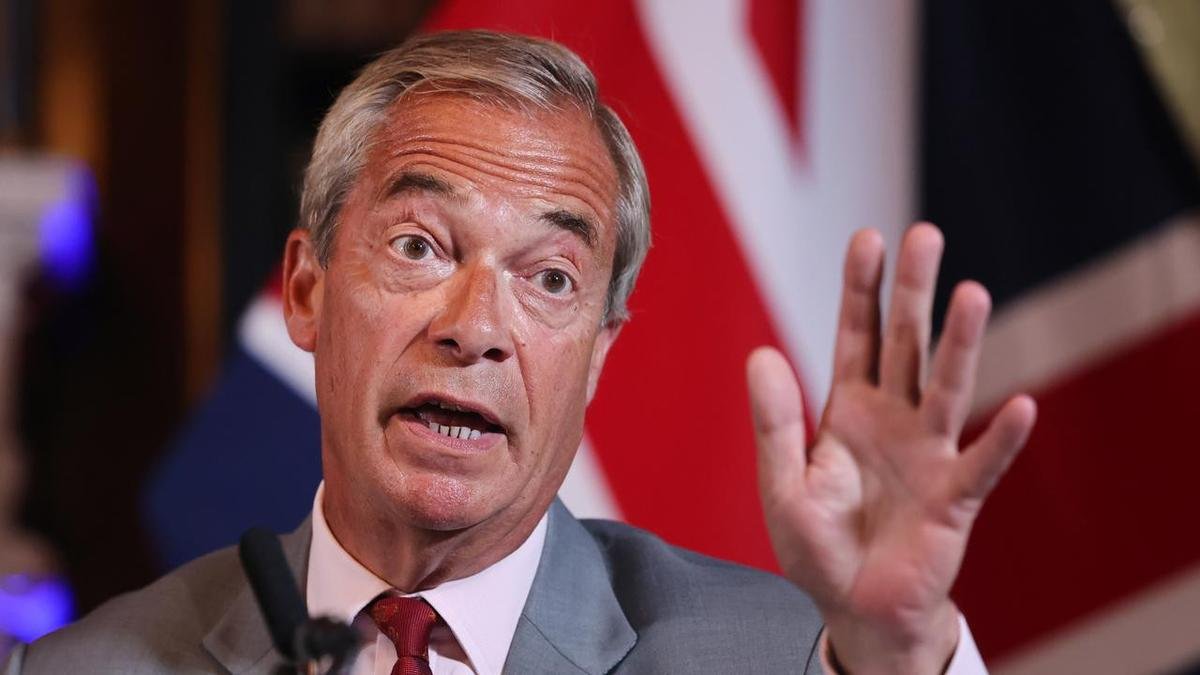
A man accused of killing former British politician Ann Widdecombe tried to break into the home of anti-immigration Reform UK party leader Nigel Farage about a year earlier and researched other prominent figures, a prosecutor says.
Prosecutor Kashif Malik said Joshua Kerry left evidence on his digital devices indicating he had conducted “online reconnaissance” of well-known people and institutions between May 2024 and when Widdecombe was killed in July.
Kerry, 28, faces one count of preparation of terrorist acts, including against Farage.
He did not enter a plea in Westminster Magistrates Court on Wednesday and remains in custody.
Farage’s partner returned home April 20, 2025, to find part of the door frame hanging off, a lighter fluid bottle and signs someone tried to get into the house, Malik said, adding that Kerry’s DNA was detected on the flammable liquid container.
Tracking data showed Kerry’s journey from his home in northern England to London and his car being parked outside Farage’s home for several hours before his return trip.
The bearded defendant, wearing glasses and a grey sweatsuit, spoke briefly to ask Chief Magistrate Paul Goldspring to speak up and to state his name and birth date.
Goldspring sent the case to the Central Criminal Court for a hearing on Friday.
The charge announced last week came a month after counterterrorism police reopened a probe into an alleged firebomb attempt at Farage’s south London home.
Kerry was previously charged with murder in the July 8 beating death of Widdecombe, who was found dead in her house in an isolated southwest England village.
Widdecombe, 78, was a spokesperson for the Reform Party after a long career as a Conservative member of Parliament and government minister known for her blunt-spoken, socially conservative views opposing abortion and the expansion of LGBTQI rights.
She later found fame as a contestant on the reality television shows Strictly Come Dancing and Celebrity Big Brother and returned to politics.
Widdecombe’s killing renewed concerns over the security for politicians, which had been tightened in the past decade after the murders of two prominent MPs.
Labour MP Jo Cox was shot and stabbed in 2016 by a far-right extremist, and Conservative David Amess was stabbed in 2021 by an attacker inspired by the Islamic State group.