Source : INDIA TODAY NEWS
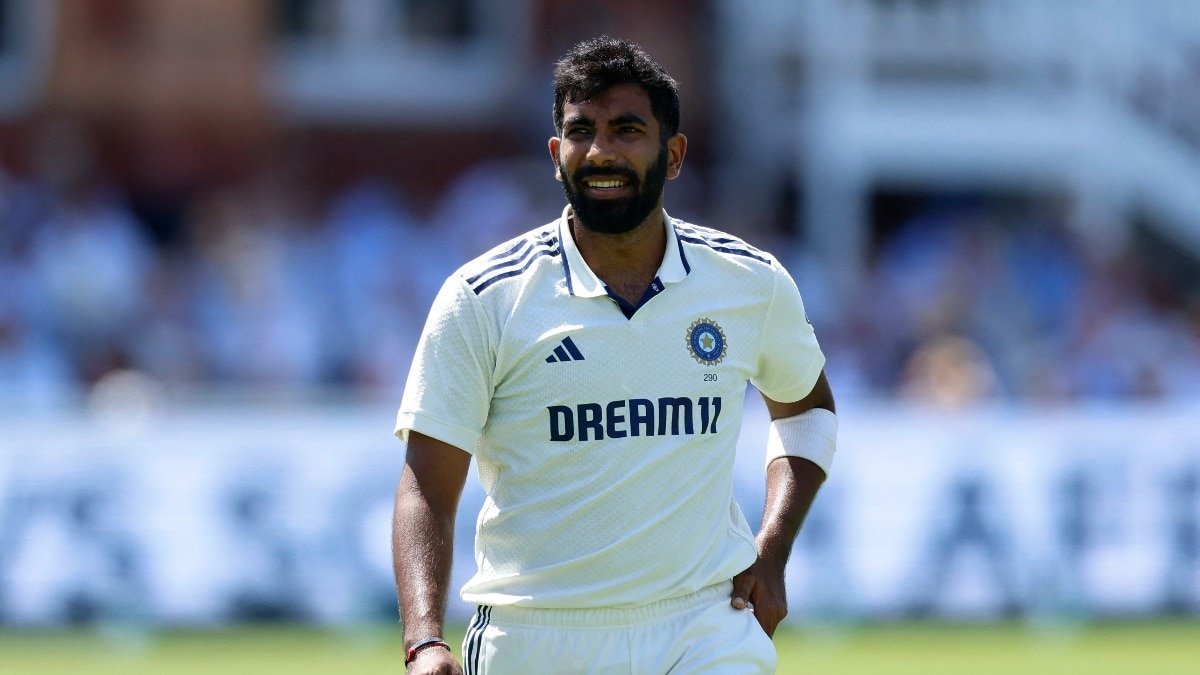
Former India head coach Ravi Shastri has urged the team management to manage Jasprit Bumrah’s workload carefully ahead of the 2027 ODI World Cup, suggesting that the pace spearhead should prioritise Test cricket while being used sparingly in the limited-overs formats.
Bumrah was recalled to India’s Test squad for the upcoming two-match series against New Zealand, but has been left out of the five ODIs and five T20Is scheduled before the red-ball fixtures. Shastri believes India must resist the temptation to use their premier fast bowler across all three formats as they prepare for the global tournament next year.
advertisement
“I don’t think he should play all three formats till the ODI World Cup,” Shastri told Indian media on Sunday.
“He should play Test cricket and should play sporadically between one-day internationals and T20 cricket. He also shouldn’t be playing the whole lot.
“I would rather preserve him for the Test matches. That’s very important. He becomes a key member of that Indian side. Then he should be used sparingly in the other formats.”
Bumrah’s fitness has been a significant consideration for India in recent years, with recurring back problems interrupting his career. The 32-year-old underwent surgery in 2023, making workload management a crucial aspect of his availability across formats.
He was also ruled out of a two-Test series against Sri Lanka in August because of a left knee injury. However, he returned to T20 action at the Asian Games, where he helped India secure the gold medal.
Shastri’s comments underline the balancing act facing India’s team management as it looks to keep Bumrah fit for major assignments without compromising the team’s immediate requirements. The fast bowler remains an important figure in India’s plans, and managing his appearances could be central to ensuring that he is available when the stakes are highest.
TEST CRICKET REMAINS A PRIORITY
Shastri’s recommendation places particular emphasis on preserving Bumrah for Test cricket, rather than treating the World Cup as the sole priority. He believes the pacer should continue to feature in India’s longest format while being selected selectively for ODIs and T20Is.
The former coach’s remarks come at a time when India’s international calendar offers several opportunities to rotate players and manage workloads. Following the New Zealand tour, India are scheduled to host Sri Lanka and Zimbabwe in limited-overs series before taking on Australia in a five-Test series that concludes in February.
The sequence of assignments will require the team management to weigh the demands of red-ball cricket against preparations for the 50-over World Cup. Shastri’s view is that Bumrah should not be expected to shoulder the burden of all three formats throughout that period.
For India, the challenge will be to strike the right balance between maintaining the fast bowler’s match readiness and avoiding unnecessary physical strain. His ability to deliver in crucial matches makes his availability particularly important, especially as the team begins planning for the next World Cup cycle.
WORLD CUP IN SOUTH AFRICA
The 2027 ODI World Cup will be held in South Africa, Zimbabwe and Namibia from October 2 to November 21. With the tournament approaching, India’s handling of its leading fast bowlers is likely to remain a key part of its preparations.
Bumrah’s record of injuries means that his schedule will require careful consideration, particularly across a calendar that includes both demanding Test assignments and limited-overs cricket.
Shastri, who coached India from 2017 to 2021, has called for a selective approach rather than an all-format commitment from the fast bowler. His recommendation is clear: keep Bumrah involved in Test cricket, limit his appearances in the shorter formats and prioritise his long-term availability.
Whether India adopts that approach will depend on its broader plans and Bumrah’s fitness, but the former coach believes preserving the pacer could prove vital as the team builds towards the 2027 World Cup.
– Ends
SOURCE :- TIMES OF INDIA