

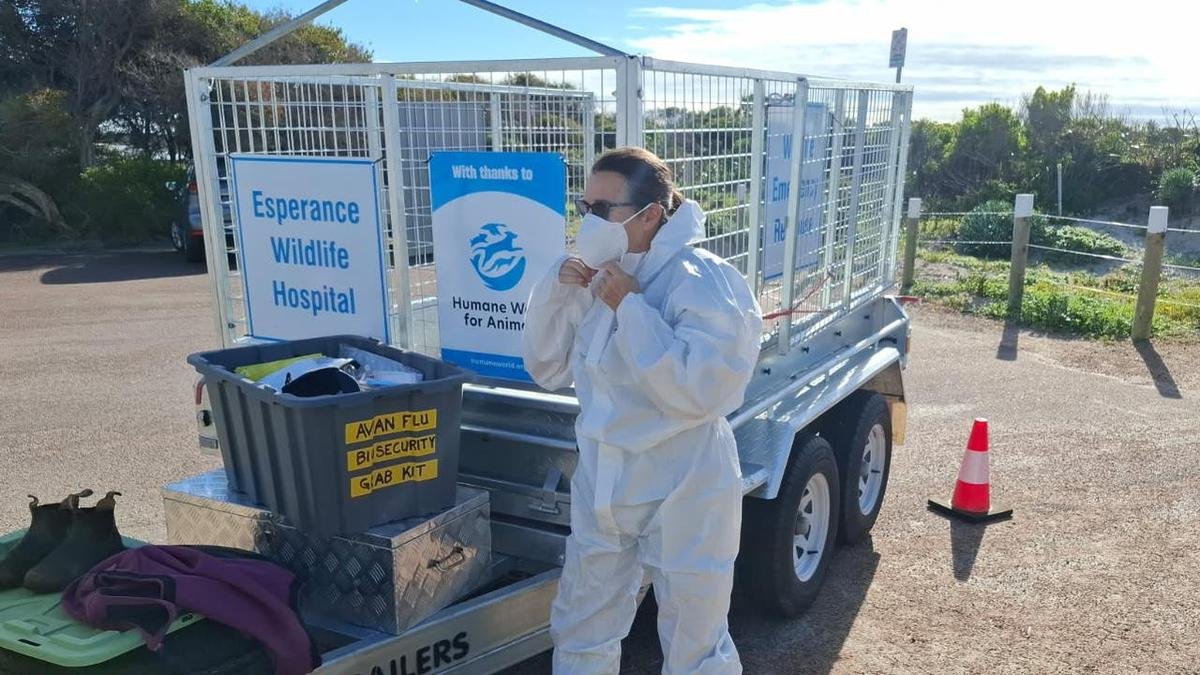
Source : Perth Now news
The detection of a deadly strain of bird flu in Australia could have considerable impacts on the poultry industry and broader agricultural sector.
Two birds in Western Australia have tested positive for the H5N1 virus, with some major producers locking down farms as a precaution, despite no cases being detected in commercial operations.
It was different from past bird flu strains Australia had faced because the virus had caused significant damage overseas, Australian National University expert Robyn Alders said.
“The impacts are considerable, both in terms of agriculture but there are concerns for the poultry industry,” Dr Alders said.
“We are aware that the H5N1 is causing significant infection and productivity losses to the dairy industry in the US.
“There have been some evidence in wild pigs out of Canada.”
The strain can infect and cause serious illness or death in a much wider range of species, not just poultry, including rodents and cats, making it more difficult to detect, monitor and control.
“If the virus does spread, pet owners, particularly cat owners, should be aware that this particular strain is quite virulent for cats,” said Dr Alders of the ANU’s development policy centre.
Despite this, she said it was always a matter of time before it was detected in Australia.
“It was going to happen given the spread of the virus and the quantity of virus that’s being replicated across the globe,” Dr Alders said.
“The government and the various states have certainly done the planning as best they can.”
A brown skua and a northern giant petrel are at the centre of testing after being discovered on a remote beach in Esperance, about 700km southeast of Perth.
Samples of the infected birds will continued to be investigated over the coming week, Western Australia, federal Agriculture Minister Julie Collins confirmed on Monday.
There is no evidence of mass mortalities among birds, although more than a dozen cases of sick or dead birds have been reported.
Despite only two confirmed cases, one of the nation’s biggest poultry producers, Inghams Group announced it would mitigate against any potential risks across all WA sites.
The producer has since moved into a state of heightened biosecurity vigilance to mitigate against any potential risks.
More than 200 million chickens have been culled in the United States since the virus arrived there.
The public has been urged to avoid but report and record sick and dead birds and marine mammals to the emergency animal disease hotline.