Source : Perth Now news
The federal government will splash $630m on pay rises for more than 460,000 care sector workers following a landmark ruling by the Fair Work Commission.
The country’s industry tribunal found last year a number of female-dominated pay awards had been historically undervalued due to gender assumptions.
On Monday, the Albanese government said it would invest $630m to support charities and not-for-profit organisations to implement award-related wages changes “while maintaining service continuity and equality”.
The funding will be delivered to more than 128,000 organisations funded under 92 programs, including in health, disability care and community service.
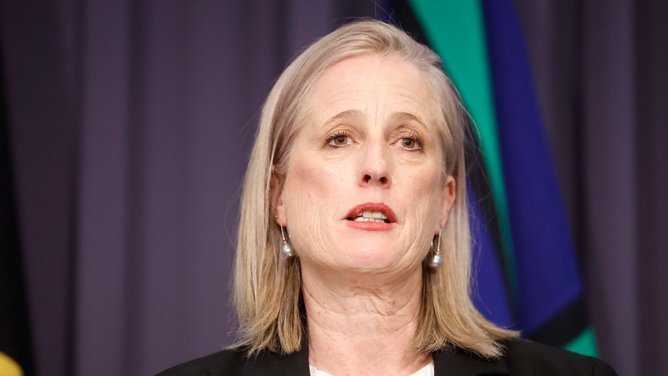
Finance Minister Katy Gallagher said it would not be possible to close the gender gap “without confronting addressing the historic undervaluation of work performed predominantly by women”.
“Australia’s gender pay gap is at a record low, and this is another significant step towards ensuring women are properly recognised and rewarded for their contribution,” she said.
“This move is also a clear signal to the community that this workforce and the support they provide our community is important and valued.”
Employment Minister Amanda Rishworth said the government had changed the law to “put gender equality at the heart of the Fair Work Act”.
“This Fair Work Commission decision is helping to address decades of gender-based undervaluation and deliver better wages for workers in health, disability and community services,” she said.
Health Minister Mark Butler said the changes would also help retain workers by making the industry a “more attractive career path”.
The funding will also support government-funded organisations employing workers in sectors affected by the changes, including legal assistance workers, housing workers, youth workers, and those working in First nations health and community.