

Source : the age
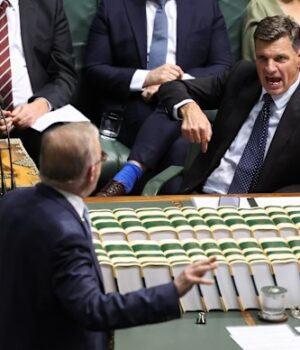
Prime Minister Anthony Albanese and Opposition Leader Angus Taylor have held talks on migration as Labor seeks a pathway to get its fresh crackdown through the Senate, but the Coalition’s demands on how to crunch the overseas intake means a deal is not yet in sight.
If the two major parties can resolve their differences, government sources said Labor’s highly anticipated migration plan could be put to parliament as early as next week.
A planned National Press Club speech to announce the policy from Home Affairs Minister Tony Burke, which was spectacularly cancelled last month, is unlikely to be the method by which Labor announces measures to reduce the net overseas migration figure from 300,000 to 225,000.
Barring any belated change, Labor is expected to reveal its plan in a more low-key manner rather than a set-piece speech, which may create an unwanted sense of theatre as Labor comes under pressure from One Nation and the Coalition after years of overshooting migration targets.
Labor is highly unlikely to secure the Greens’ support for any reduction in migration, so Albanese sought a meeting with Taylor in parliament on Wednesday to discuss potential points of agreement.
But Coalition sources said the parties remained far apart. Opposition MPs are concerned about any perception that the Coalition would support Labor on migration, which could fuel Pauline Hanson’s talking point on the Labor-Coalition “uni-party”.
Labor, under political pressure to act on migration without offending the left and migrant communities, is prepared to use regulation rather than legislation to make as many changes as possible if it cannot secure support in the Senate. It needs either the Greens or Coalition to pass bills as it does not hold a majority.
Taylor wrote to Albanese on Wednesday saying Australians had “lost confidence in your government’s ability to protect our borders” and said the net overseas migration figure should be about 50,000 fewer than Labor’s target.
He set 10 red lines for any legislation, including making it illegal to repatriate ISIS families; establishing a UK-style safe-country list to stop sham asylum applications; removing legal aid for people appealing visa decisions; restricting access to graduate courses to students seeking in-demand skills; deporting the 77,000 unlawful non-citizens; and turning the Australian Values Statement into a visa condition.
This masthead has previously reported that Labor was considering a heavier focus on deportations, visa-hopping, bogus asylum claims, and aligning the international education system more closely with the need of the economy.
But Taylor’s hard line on the saga surrounding ISIS brides presents as one potential sticking point that may preclude a deal.
Taylor, who is well behind Hanson in the polls, could claim to be controlling the debate on migration if he helped Labor formulate a tough package. But he would open himself up to One Nation criticism that he had gone soft by working with the government in a critical area of policy to conservative voters.
 Paul Sakkal is Chief Political Correspondent. He previously covered Victorian politics and won a Walkley award and the 2025 Press Gallery Journalist of the Year. Contact him securely on Signal @paulsakkal.14.Connect via X or email.

